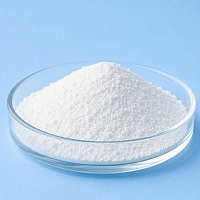
ERCAMULS LF 65 for scalable cream lotion mask and hair care development
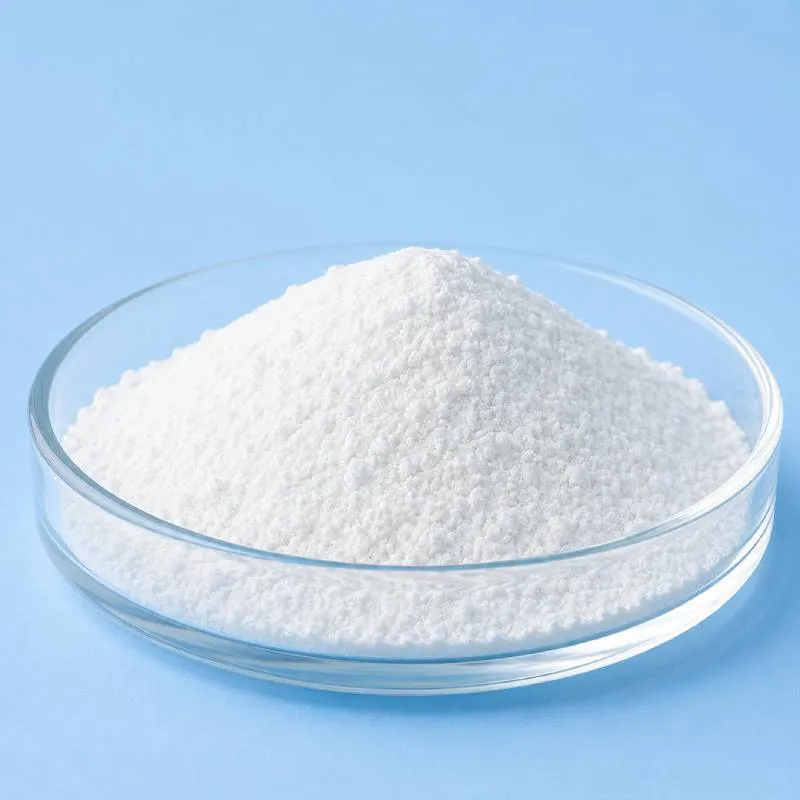
ERCAMULS LF 65 is a nonionic emulsifying system with the INCI composition Glyceryl Stearate, PEG-100 Stearate. It is designed for oil in water emulsion development and can be used across facial care, body care, hand products, creamy cleansers, spa masks and selected hair care formats. For a formulator, its main value is the ability to create an emulsion framework that can be adapted through changes in the oil phase, structural ingredients and water-phase composition.
An emulsifier should always be understood as one part of a complete formulation. A finished lotion is influenced by the selected emollients, oil phase size, fatty alcohols, polymers, humectants, botanical materials, processing conditions and packaging. ERCAMULS LF 65 provides the emulsification function, while the final product character is created by the complete formula.
Building a versatile emulsion platform
A practical approach for a small cosmetic brand is to develop a technically understood base platform and then create distinct products through controlled formulation changes. ERCAMULS LF 65 can support this type of development.
A lightweight body milk may use a modest lipid phase with fluid emollients. A hand cream can include a more structured oil phase. A cream mask may use richer lipids and a different rheology profile.
These products should not be created simply by adding more or less water to one master formula. Each version needs its own stability and preservation assessment.
Understanding the two-component INCI system
Glyceryl Stearate and PEG-100 Stearate perform complementary roles in the emulsifying system. Their combination supports the formation of oil droplets dispersed within a continuous aqueous phase.
The behavior of that structure is influenced by the composition of the oil phase. A formula containing mostly fluid esters may have a very different texture from one containing butter and fatty alcohol, even when the same emulsifying system is used.
This gives product developers significant flexibility, but it also means that copying the emulsifier level from one formula to another without testing is not a reliable development method.
Facial emulsion concepts
For facial products, the formulator can create different sensory profiles through careful lipid selection. Squalane, jojoba oil and caprylic capric triglycerides can be combined in different ratios depending on the intended product concept.
Humectants are selected separately. Glycerin, betaine and other compatible water-soluble ingredients can be incorporated into the aqueous phase according to their processing requirements.
Complex commercial actives require complete INCI review. If an active is supplied in water, glycerin or glycol, that carrier becomes part of the finished formula and should be included in the formulation assessment.
Body lotion development
Body lotions need good spreadability because they are applied over relatively large areas. The formulator should balance oil phase richness with practical dispensing.
A pump bottle can be convenient for a fluid lotion, but the final viscosity must be tested after the product has fully developed its structure. Filling a freshly manufactured emulsion before checking its equilibrium viscosity can create packaging problems later.
Fragrance compatibility should also be assessed. Some fragrance compositions can influence emulsion behavior, odor perception and package interaction. The selected fragrance should be tested in the actual finished base.
Hand and foot products
Hand creams often require a different texture from body milk. A structured emulsion can be created with suitable fatty alcohols, oils and emollients.
Foot creams may use a richer base, but heaviness should not be confused with performance. A well-designed formula should reflect the intended application and packaging rather than relying on excessive wax content.
Water-soluble ingredients such as betaine or selected humectants can be incorporated according to formula needs. Each addition should have a clear purpose and should be evaluated for compatibility.
Cream cleansers
ERCAMULS LF 65 can be used to create creamy cleansing emulsions. In this format, the oil phase contributes to the product architecture, while the complete cleansing strategy depends on the rest of the formula.
A cleansing milk may be designed for removal with water, a cloth or a cosmetic pad. The intended use method should be established during development because it influences oil phase selection and the need for additional cleansing ingredients.
If mild surfactants are included, their effect on viscosity and emulsion stability must be evaluated. A surfactant should not be added to an existing cream without compatibility testing.
Spa and professional masks
Professional cream masks require predictable texture during storage and use. A formula may contain emollients, humectants, botanical extracts and suitable powders.
When clays or other mineral materials are added, they can change the rheology significantly. Powder dispersion becomes a separate processing challenge.
A laboratory sample should be evaluated not only immediately after manufacturing but also after the emulsion has equilibrated. A formula that appears fluid on production day may become considerably thicker later.
Hair masks and leave-in creams
ERCAMULS LF 65 can form the emulsion base of selected hair masks and leave-in creams. However, emulsification and conditioning are different formulation functions.
If a hair mask needs detangling or antistatic performance, a suitable conditioning system should be designed separately. Hydrolyzed proteins, plant extracts and oils can support a product concept, but their properties should not be overstated.
For leave-in creams, oil phase control is especially important. A formula intended for fine hair generally requires a different lipid profile from a rich rinse-off mask.
Selecting oils and emollients
The oil phase can combine plant oils, esters, squalane and butters. Each material changes the sensory character and physical behavior of the emulsion.
Caprylic capric triglycerides are useful for many light lotion concepts. Jojoba oil can provide a different glide profile. Sweet almond oil is suitable for classic cream structures. Shea butter can increase richness in appropriate products.
Fatty alcohols can support viscosity and structure, but they should be optimized rather than used at the same level in every product.
Water phase design
The water phase may contain purified water, hydrosols, humectants and compatible functional ingredients. Every water-based raw material contributes to the total composition.
A hydrosol is not simply a marketing replacement for water. Its quality, documentation and microbiological condition matter.
Botanical extracts can be supplied in different carriers. A dry extract, glycerin extract and water-glycol extract require different processing decisions. The formulator should identify the actual supplied format before adding it to the batch.
Manufacturing sequence
Prepare the aqueous and lipid phases separately. Add ERCAMULS LF 65 to the oil phase with oils, emollients and compatible structural materials.
Heat the phases according to the processing requirements of the complete system. The oil phase should be uniform before emulsification.
Combine the phases under controlled mixing. Homogenization intensity and duration should be appropriate for the batch size and equipment.
After the initial emulsion has formed, begin controlled cooling. Add heat-sensitive materials at their appropriate processing stage.
Final pH is measured after the relevant formula components have been incorporated. Any adjustment should be based on actual measurement and the specification of the complete product.
Botanical body milk 1000 g
Purified water 696 g
Cucumber hydrosol 80 ml
ERCAMULS LF 65 45 g
Caprylic capric triglycerides 45 g
Jojoba oil 25 g
Grapeseed oil 25 g
Cetyl alcohol 15 g
Glycerin 25 g
Betaine 15 g
Water-soluble cucumber extract 8 g
Hydrolyzed oat protein 7 g
Preservative 7 g
Vitamin e 3 g
Fragrance 2 g
Prepared citric acid solution 2 g
Total batch weight: 1000 g
Combine purified water, cucumber hydrosol, glycerin and betaine in the aqueous phase vessel. Mix until the water-soluble materials are evenly distributed.
In a separate vessel, combine ERCAMULS LF 65, caprylic capric triglycerides, jojoba oil, grapeseed oil and cetyl alcohol. Heat the lipid phase until all components form a uniform mixture.
Bring the phases to suitable emulsification conditions and combine them under controlled mixing. Homogenize according to the equipment and batch scale, then continue with moderate mixing during cooling.
Add the water-soluble cucumber extract and hydrolyzed oat protein at a suitable cool-down temperature according to their individual supplier documentation. Add the preservative using the processing conditions required for the selected preservation system.
Incorporate vitamin e and fragrance. Measure the final pH after the batch is complete. Use the prepared citric acid solution only when adjustment is required by actual measurement.
Allow the body milk to equilibrate before final viscosity assessment and filling. Test the formula in the intended pump bottle and confirm that the dispenser delivers the product consistently.
Scale-up considerations
Scale-up changes the physical conditions of manufacturing. A larger vessel heats and cools differently from a laboratory beaker. Mixing geometry and shear distribution also change.
For this reason, production records should include phase temperatures, emulsification time, homogenization conditions, cooling profile and cool-down addition sequence.
If a batch differs from the approved standard, these records can help identify whether the cause is raw material variation or process variation.
Finished product control and range development
A finished emulsion should be evaluated for pH, viscosity, homogeneity, odor, physical stability and packaging compatibility. Preservation should be assessed in the complete formula.
ERCAMULS LF 65 can support a coordinated product range without forcing every product to have the same texture. A brand can develop body milk, hand cream, cream cleanser, spa mask and selected hair care emulsions with distinct oil phases and functional systems.
The most effective development strategy is to treat ERCAMULS LF 65 as an emulsification platform rather than as a complete formula. Careful lipid selection, controlled water-phase design, suitable preservation and reproducible manufacturing determine the quality of the finished product.