A comprehensive technical formulation guide dedicated to managing rheology in cosmetics using the natural polysaccharide AMIGEL (Sclerotium Gum). This article explores the physical mechanisms of polymer hydration and network formation for structuring clear gels, light emulsions, and particle-suspending fluids. It covers pre-dispersion in polyols, electrolyte stability, shear rate handling, incompatibility limits, thermal limits, and precise pH controls. Features three complete DIY recipes with step-by-step compounding instructions and cold storage standards.
A comprehensive technical formulation guide dedicated to utilizing the bio-based film former Natpure Film AP (derived from sugar cane) in color cosmetics and hair care. This article breaks down the physical mechanics of flexible film creation, moisture resistance, and pigment adhesion enhancement. It covers aqueous dissolution protocols, compatibility with natural polymers and gums, thermal boundaries, and precise pH controls. Features three complete DIY recipes with step-by-step compounding instructions and storage standards.
A comprehensive technical formulation guide to designing skin barrier restoration creams and liposomal fluids using ViableCare LipoCare 8. This article breaks down the physiological mechanism of ceramide integration into stratum corneum lipids to stop transepidermal water loss. It details exact processing protocols to protect liposomal structures, low-shear cooling phase entry below thirty degrees Celsius, emulsifier compatibility, and pH boundaries. Features three complete DIY recipes with step-by-step compounding instructions and cold storage standards.
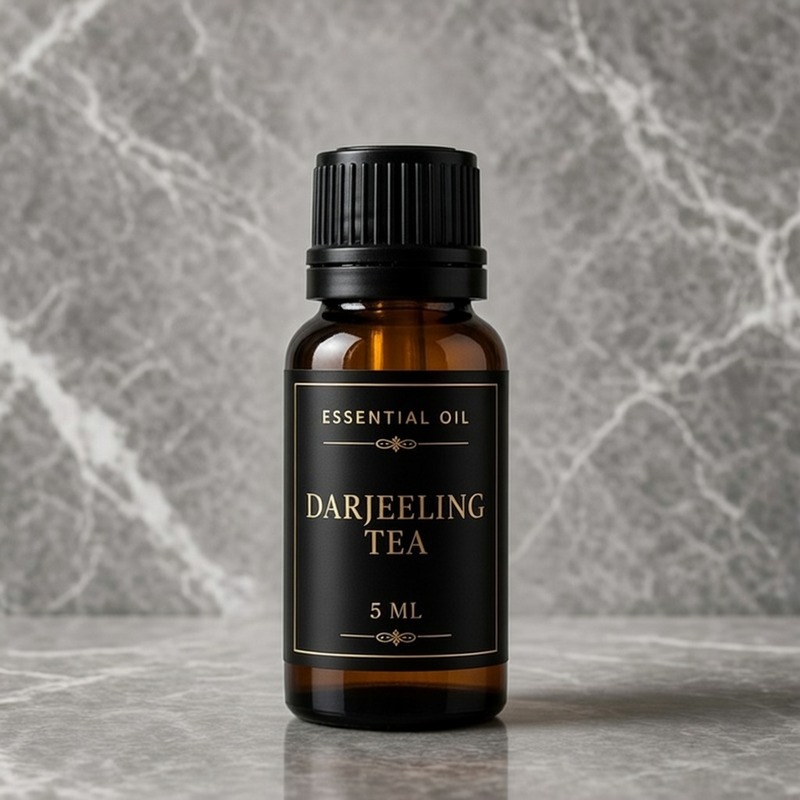
Darjeeling Tea Essential Oil: An Exquisite Aroma for Elevated Beauty
Darjeeling Tea Essential Oil, derived from the delicate leaves of the Camellia sinensis plant grown in the misty hills of Darjeeling, India, offers a unique and sophisticated aroma for cosmetic applications. This precious oil, with its light, floral, and slightly fruity notes, brings a touch of elegance and refinement to various beauty products. Unlike many other tea-derived ingredients, this is steam distilled from the leaves themselves, offering a complex and nuanced aroma profile.
Why Choose Darjeeling Tea Essential Oil for Cosmetics?
Distinctive Aroma: The captivating fragrance of Darjeeling tea is highly prized in perfumery and aromatherapy. Its delicate floral and fruity notes create a luxurious and uplifting sensory experience in cosmetic products.
Antioxidant Properties (indirectly related to the aroma): While the essential oil itself contains primarily aromatic compounds, the source material (tea leaves) are known for their antioxidant content. This association lends a perception of added benefit to formulations.
Relaxing and Uplifting Effects (related to aroma): The aroma of Darjeeling tea is often associated with relaxation and a sense of well-being. This can enhance the overall experience of using cosmetic products containing this oil.
Natural Fragrance Component: As a natural essential oil, it offers a more complex and nuanced fragrance compared to synthetic fragrance oils.
Applications of Darjeeling Tea Essential Oil in Cosmetics:
Due to its primary function as a fragrance component, Darjeeling Tea Essential Oil is best suited for applications where its aroma can be appreciated:
Perfumes and Fragrances: It can be used as a top or middle note in natural perfume blends, adding a delicate floral and fruity character.
Skincare Products (with aromatic benefit):
Creams and Lotions: A small amount can be added to creams and lotions to provide a subtle and elegant fragrance.
Facial Oils and Serums: Can enhance the sensory experience of facial oils and serums.
Bath Products: Adding a few drops to bath oils, bath salts, or shower gels can create a relaxing and aromatic bathing experience.
Hair Care Products (with aromatic benefit):
Hair Oils and Serums: Can impart a pleasant scent to hair.
Hair Mists and Sprays: Can be used in hair mists for a refreshing and fragrant touch.
Detailed Breakdown of Cosmetic Applications:
Perfumes and Fragrances: Darjeeling Tea Essential Oil can be blended with other floral, citrus, or woody essential oils to create complex and unique fragrance compositions.
Facial and Body Care: The oil's delicate aroma can add a touch of luxury to daily skincare routines. It is important to use it at low dilutions to avoid any potential skin irritation.
Hair Care: It can provide a subtle and sophisticated scent to hair products, making them more appealing to consumers.
Cosmetic Recipe: Darjeeling Tea Infused Body Oil
This recipe focuses on infusing the aroma rather than utilizing a high concentration of the essential oil directly on the skin.
Ingredients:
100ml Jojoba Oil (or other carrier oil like Sweet Almond or Apricot Kernel Oil)
5 drops Darjeeling Tea Essential Oil
Dried Darjeeling Tea Leaves (optional, for visual appeal and a very subtle additional infusion)
Instructions:
Combine the jojoba oil and Darjeeling Tea Essential Oil in a clean, dark glass bottle.
If using, add a small amount of dried Darjeeling tea leaves to the bottle.
Seal the bottle and gently swirl to combine.
Let the oil infuse for 24-48 hours (optional, for enhanced aroma).
Strain the oil to remove the tea leaves (if used).
Recommendations for Use:
Dilution is Crucial: Darjeeling Tea Essential Oil, like most essential oils, should always be diluted with a carrier oil before topical application. A general guideline is to use a dilution of 0.5% to 1% essential oil in the carrier oil. Due to its primary use as a fragrance, lower dilutions are often preferred.
Patch Test: Perform a patch test before using any new essential oil blend on a larger area of skin. Apply a small amount to a discreet area (like the inner forearm) and wait 24 hours to check for any adverse reactions.
Avoid Contact with Eyes and Mucous Membranes: Essential oils can be irritating to the eyes and mucous membranes. If contact occurs, rinse thoroughly with water.
Phototoxicity: While not typically considered phototoxic at low dilutions, it’s always wise to avoid direct sun exposure after applying products containing essential oils.
Pregnancy and Breastfeeding: Consult with a healthcare professional before using Darjeeling Tea Essential Oil if you are pregnant or breastfeeding.
For the face: Creams and serums for moisturizing and combating signs of aging. Masks for restoring skin tone. For the body: Lotions and oils for nourishment and moisturizing. Anti-cellulite products and scrubs. For hair: Shampoos and conditioners for strengthening hair. Masks for restoring damaged hair. In aromatherapy Added to diffusers for relaxation and creating a cozy atmosphere. Used in massage mixtures to relieve tension. Other areas Soothing ointments for irritated skin. Home care: Aromatization of rooms, adding to natural cosmetics.
Cosmetics: 0.5–2%. Aromatherapy: 2–3 drops per 100 ml of water in a diffuser or 1–2 drops per 10 ml of base oil. Hair care: 0.5–1%.
Features
All information presented on the site is for reference only
Minimum count
1
Name
Darjeeling Tea essential oil, 5 ml
Packaging
container for transportation
Packing
5 ml
Properties
Antioxidant action: Neutralizes free radicals, protecting skin and hair cells. Slows down the aging process and enhances regeneration. Moisturizing and nourishing: Deeply moisturizes the skin, preventing its dehydration. Nourishes and strengthens hair. Anti-inflammatory action: Relieves redness and inflammation. Soothes sensitive skin. Toning and regenerating: Increases skin firmness and elasticity. Restores damaged hair and stimulates its growth. Aromatherapeutic properties: Reduces stress levels, helps to relax. Strengthens the emotional state, improves concentration.
Purpose
Darjeeling Tea essential oil, obtained from the famous Indian Darjeeling tea, is a rare and valuable product with a rich aroma, rich in polyphenols and antioxidants. It is highly valued for its refreshing, toning and restorative properties, which makes it a universal ingredient for cosmetics, aromatherapy and body care. Moisturizing and nourishing skin and hair. Toning and restoring. Fighting age-related changes. Relieving stress and improving mood.