A comprehensive technical formulation guide dedicated to managing rheology in cosmetics using the natural polysaccharide AMIGEL (Sclerotium Gum). This article explores the physical mechanisms of polymer hydration and network formation for structuring clear gels, light emulsions, and particle-suspending fluids. It covers pre-dispersion in polyols, electrolyte stability, shear rate handling, incompatibility limits, thermal limits, and precise pH controls. Features three complete DIY recipes with step-by-step compounding instructions and cold storage standards.
A comprehensive technical formulation guide dedicated to utilizing the bio-based film former Natpure Film AP (derived from sugar cane) in color cosmetics and hair care. This article breaks down the physical mechanics of flexible film creation, moisture resistance, and pigment adhesion enhancement. It covers aqueous dissolution protocols, compatibility with natural polymers and gums, thermal boundaries, and precise pH controls. Features three complete DIY recipes with step-by-step compounding instructions and storage standards.
A comprehensive technical formulation guide to designing skin barrier restoration creams and liposomal fluids using ViableCare LipoCare 8. This article breaks down the physiological mechanism of ceramide integration into stratum corneum lipids to stop transepidermal water loss. It details exact processing protocols to protect liposomal structures, low-shear cooling phase entry below thirty degrees Celsius, emulsifier compatibility, and pH boundaries. Features three complete DIY recipes with step-by-step compounding instructions and cold storage standards.
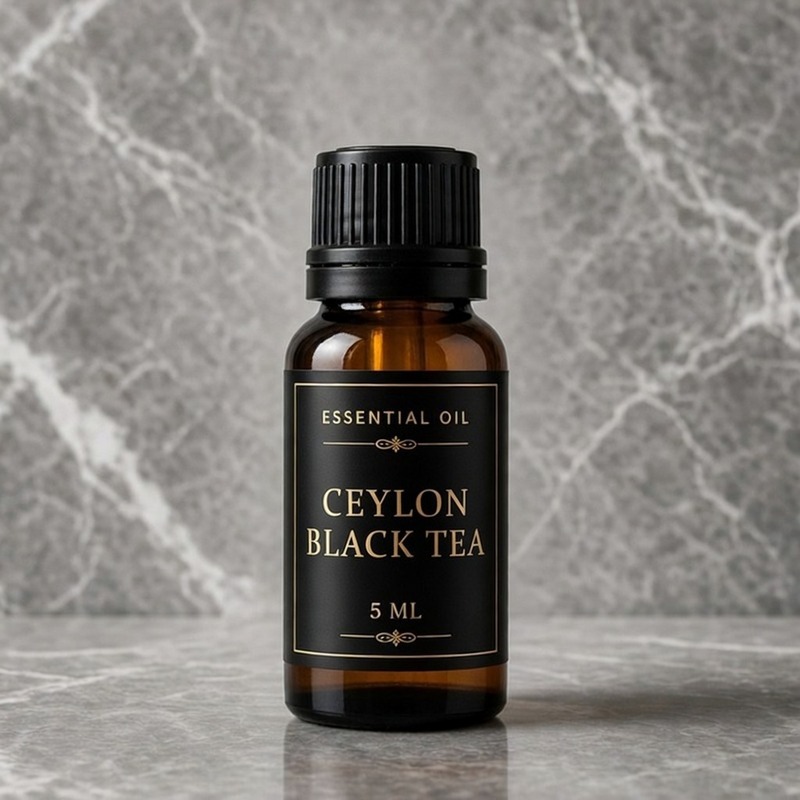
Ceylon Black Tea Essential Oil: Aromatic Elixir for Skin and Hair
Ceylon Black Tea Essential Oil, extracted from the leaves of the Camellia sinensis plant grown in Sri Lanka (formerly Ceylon), offers a unique aromatic profile and a range of potential benefits for cosmetic applications. This essential oil carries a rich, warm, and slightly malty scent, reminiscent of a freshly brewed cup of black tea. While not as common as other essential oils in mainstream cosmetics, its distinct properties make it a valuable ingredient for niche and natural beauty products.
Why Choose Ceylon Black Tea Essential Oil for Cosmetics?
Antioxidant Properties: Black tea, and therefore its essential oil, contains polyphenols, including catechins and theaflavins, which are potent antioxidants. These compounds help protect the skin from free radical damage, which contributes to premature aging, wrinkles, and other signs of skin damage.
Astringent and Toning Effects: The tannins present in black tea provide astringent properties, which can help tighten pores and tone the skin, making it beneficial for oily or acne-prone skin.
Soothing and Anti-inflammatory Potential: While more research is needed, some studies suggest that black tea extracts may possess anti-inflammatory properties that could soothe irritated skin.
Aromatic Benefits: The warm, comforting aroma of Ceylon black tea essential oil can provide a relaxing and uplifting experience in aromatherapy and cosmetic products.
Applications of Ceylon Black Tea Essential Oil in Cosmetics:
Due to its potent nature, Ceylon Black Tea Essential Oil is typically used in low concentrations and often blended with other carrier oils and ingredients. Its potential applications in cosmetics include:
Skincare:
Anti-aging Products: Its antioxidant properties make it a potential ingredient in serums, creams, and lotions designed to combat wrinkles and fine lines.
Oily Skin Formulations: The astringent properties may be beneficial in toners and cleansers for oily or acne-prone skin.
Soothing Products: It could be incorporated into calming lotions or balms for sensitive or irritated skin, though careful dilution is crucial.
Hair Care:
Hair Rinses and Treatments: Diluted infusions of black tea have traditionally been used to add shine and depth to dark hair. While the essential oil is more concentrated, it could be used in very small amounts in hair treatments or rinses.
Aromatherapy and Perfumery: The distinct aroma of Ceylon black tea essential oil makes it suitable for natural perfumery and aromatherapy blends, adding a warm and comforting note.
Detailed Breakdown of Cosmetic Applications:
Facial Serums and Creams: In anti-aging products, the antioxidants can help protect against environmental damage.
Facial Toners and Cleansers: The astringent properties can help minimize pores and control oil production.
Hair Treatments and Rinses: Very diluted applications can potentially add shine and richness to dark hair.
Aromatherapy Blends: It blends well with other warm and spicy essential oils like cardamom, clove, and cinnamon, as well as citrus oils like bergamot and orange.
Combine the carrier oils in a clean, dark glass bottle.
Carefully add the essential oils, one drop at a time.
Gently swirl the bottle to blend the oils thoroughly.
Store in a cool, dark place away from direct sunlight.
Recommendations for Use:
Dilution is Paramount: Ceylon Black Tea Essential Oil is highly concentrated and should always be diluted with a carrier oil before topical application. Start with a very low dilution (0.5% or less) and gradually increase if necessary, but never exceed 1%.
Patch Test is Essential: Perform a patch test on a small area of skin before using any new essential oil blend, especially with potent oils like black tea.
Avoid Contact with Eyes and Mucous Membranes: Essential oils can irritate sensitive areas. If contact occurs, rinse thoroughly with a carrier oil, not water.
Not for Internal Use: Ceylon Black Tea Essential Oil is for external use only.
Pregnancy and Breastfeeding: Consult with a healthcare professional before using any essential oils, including Ceylon Black Tea, if you are pregnant or breastfeeding.
Photosensitivity: While black tea itself does not typically cause photosensitivity, it is always a good idea to wear sunscreen when using new skincare products, especially those containing essential oils.
Worldwide Delivery: We deliver worldwide.
Characteristics:
INCI
Camellia Sinensis (Ceylon Black Tea) Leaf Essential Oil
Other
Application
For the face: Creams and serums for moisturizing and anti-aging care. Masks for restoring tone and protecting the skin. For the body: Lotions and oils for nourishing and softening the skin. Products for the care of dry and irritated skin. For hair: Restorative masks for damaged hair. Shampoos and conditioners for adding shine and softness. In aromatherapy Used in diffusers for relaxation and stress relief. Added to massage mixtures for general strengthening of the body. Other areas Soothing products for skin prone to irritation. Household use: Aromatization of rooms, adding to natural cosmetic products.
Cosmetics: 0.5–2%. Aromatherapy: 2–3 drops per 100 ml of water in a diffuser or 1–2 drops per 10 ml of base oil. Hair care: 0.5–1%.
Features
All information presented on the site is for reference only
Minimum count
1
Name
Ceylon Black Tea essential oil, 5 ml
Packaging
container for transportation
Packing
5 ml
Properties
Antioxidant action: Protects skin and hair from free radicals. Slows down the aging process and prevents cell damage. Anti-inflammatory action: Reduces inflammation, redness and irritation. Helps with acne and sensitive skin. Moisturizing and nourishing: Helps retain moisture in the skin. Strengthens hair, making it smooth and shiny. Regeneration and restoration: Stimulates skin cell renewal. Maintains healthy hair structure. Aromatherapy properties: Relaxes, reduces stress. Helps improve concentration.
Purpose
Ceylon Black Tea Essential Oil, obtained from the leaves of Camellia Sinensis tea grown in Sri Lanka, is a rare and valuable product. It is known for its rich aroma, antioxidant properties and ability to rejuvenate the skin. The oil is actively used in cosmetics, aromatherapy and body care products. Fights signs of aging. Moisturizes and restores skin and hair. Relieves inflammation and irritation. Strengthens the emotional state.