Worldwide delivery  |  Free delivery in all Ukraine from 1899 UAH
Product catalog
Master classes, recipes, tips
AMIGEL rheology guide: Sclerotium Gum in gels emulsions and suspensions
A comprehensive technical formulation guide dedicated to managing rheology in cosmetics using the natural polysaccharide AMIGEL (Sclerotium Gum). This article explores the physical mechanisms of polymer hydration and network formation for structuring clear gels, light emulsions, and particle-suspending fluids. It covers pre-dispersion in polyols, electrolyte stability, shear rate handling, incompatibility limits, thermal limits, and precise pH controls. Features three complete DIY recipes with step-by-step compounding instructions and cold storage standards.
Natpure Film AP: natural film-forming technology for skin color cosmetics and hair
A comprehensive technical formulation guide dedicated to utilizing the bio-based film former Natpure Film AP (derived from sugar cane) in color cosmetics and hair care. This article breaks down the physical mechanics of flexible film creation, moisture resistance, and pigment adhesion enhancement. It covers aqueous dissolution protocols, compatibility with natural polymers and gums, thermal boundaries, and precise pH controls. Features three complete DIY recipes with step-by-step compounding instructions and storage standards.
ViableCare LipoCare 8: integrating a liposomal ceramide complex into barrier-care formulas
A comprehensive technical formulation guide to designing skin barrier restoration creams and liposomal fluids using ViableCare LipoCare 8. This article breaks down the physiological mechanism of ceramide integration into stratum corneum lipids to stop transepidermal water loss. It details exact processing protocols to protect liposomal structures, low-shear cooling phase entry below thirty degrees Celsius, emulsifier compatibility, and pH boundaries. Features three complete DIY recipes with step-by-step compounding instructions and cold storage standards.
Product Description

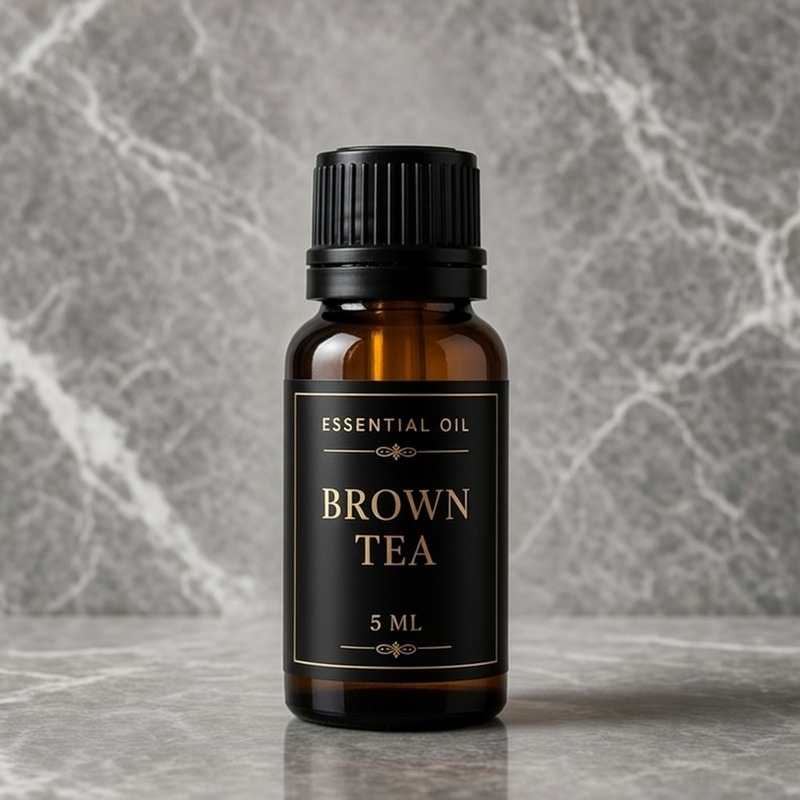
Brown Tea Essential Oil: Earthy Warmth and Potential Benefits for Skin and Hair

Brown tea essential oil, also known as Pu-erh tea essential oil (though the term "brown tea" can sometimes encompass other dark fermented teas), is a unique and relatively rare essential oil derived from the Camellia sinensis plant. Unlike green or black tea, brown tea undergoes a post-fermentation process, which gives it its characteristic dark color, earthy aroma, and distinct chemical profile. This post-fermentation can lead to variations in the oil's composition depending on the specific processing methods used. Its aroma is often described as earthy, woody, and slightly sweet, making it of interest in perfumery and aromatherapy. While research specifically focused on brown tea essential oil in cosmetics is limited, extrapolating from the known benefits of tea and related essential oils suggests several potential applications.

Why Consider Brown Tea Essential Oil for Cosmetics?

  • Antioxidant Potential: Like other tea varieties, brown tea contains polyphenols, although the specific types and concentrations may differ due to the fermentation process. These antioxidants can help protect the skin from free radical damage.  
  • Potential Anti-inflammatory Properties: Some studies suggest that certain compounds found in fermented teas may exhibit anti-inflammatory effects, which could be beneficial for soothing irritated skin.
  • Unique Aroma: The warm, earthy scent of brown tea essential oil can add a distinctive note to cosmetic formulations, offering an alternative to more common floral or citrus scents.
  • Potential for Hair Care: While direct research is limited, the conditioning and shine-enhancing properties associated with other tea-derived ingredients suggest potential benefits for hair care applications.

Applications of Brown Tea Essential Oil in Cosmetics:

Due to the limited research, it's crucial to approach brown tea essential oil with caution and prioritize safety through proper dilution and patch testing. Potential applications include:

  • Skincare (with caution):
    • Facial Oils and Serums: Blended with carrier oils, it may offer antioxidant benefits and a unique aroma.
    • Creams and Lotions (in low concentrations): It could be incorporated into creams and lotions for its potential anti-inflammatory and antioxidant effects.
  • Hair Care (with caution):
    • Hair Oils and Treatments: It might be used in hair oils to add shine and potentially condition the hair.

Detailed Breakdown of Cosmetic Applications (with emphasis on caution):

  • Facial Oils and Serums: Due to the potential for skin irritation with any concentrated essential oil, very low dilutions (0.1-0.5%) are recommended when using brown tea essential oil in facial oils or serums. Blending with gentle carrier oils like jojoba or camellia oil is advisable.
  • Creams and Lotions: Similar to facial oils, low concentrations (0.1-0.5%) are recommended in creams and lotions. Careful observation for any skin reactions is essential.
  • Hair Oils and Treatments: It can be added to carrier oils like argan or coconut oil for hair treatments. Again, start with low concentrations and monitor for any adverse effects.

Cosmetic Recipe: Aromatic Brown Tea Hair Oil (Use with extreme caution and perform a thorough patch test)

  • Ingredients:

    • 50 ml Argan Oil (carrier oil)
    • 2 drops Brown Tea Essential Oil (start with ONE drop for initial testing)
  • Instructions:

    1. Combine the argan oil and brown tea essential oil in a dark glass bottle.
    2. Gently swirl the bottle to mix the oils thoroughly.
    3. Store in a cool, dark place.

Recommendations for Use:

  • Dilution is Absolutely Essential: Brown tea essential oil must always be diluted with a carrier oil before topical application. Start with extremely low concentrations (0.1% or even less for initial testing), especially for facial applications. It is strongly advised to consult with a qualified aromatherapist or dermatologist before using this oil on your skin.
  • Mandatory Patch Test: Perform a thorough patch test on a small, inconspicuous area of skin (like the inner forearm) and wait 24-48 hours before using any product containing brown tea essential oil on a larger area.
  • Limited Research: Due to the limited scientific research available on brown tea essential oil specifically, proceed with extreme caution. The information provided here is based on general knowledge of tea and related essential oils and should not be considered definitive.
  • Potential Skin Irritation: Essential oils, even when diluted, can cause skin irritation in some individuals. Discontinue use immediately if any redness, itching, or other irritation occurs.  
  • Photosensitivity (Possible): Although not definitively confirmed for brown tea essential oil, it is prudent to avoid sun exposure after applying products containing it, or to use them primarily in your nighttime routine.
  • Pregnancy and Breastfeeding: Consult with a healthcare professional before using brown tea essential oil if you are pregnant or breastfeeding.
  • Source Carefully: Obtain brown tea essential oil from a reputable supplier who can provide information about its purity and quality.

Worldwide Delivery: We deliver worldwide.

Characteristics:
INCI Camellia Sinensis (Brown Tea) Leaf Essential Oil
Other
Application For the face: As part of creams and serums for moisturizing and anti-aging care. Masks for skin restoration and fighting inflammation. For the body: Lotions and oils for nourishing dry skin. Products for softening and improving skin tone. For hair: Shampoos for restoring and strengthening hair. Masks for moisturizing and preventing breakage. In aromatherapy Used to create a relaxing atmosphere in diffusers. Used in massage mixtures to relieve muscle tension. Other areas Helps with skin irritation and mild inflammation. Household use: Aromatization of rooms and adding to natural cosmetic products.
Aroma Warm, deep, with notes of caramel and wood
Att brand India
Color product Dark brown or golden hue
Dosage Cosmetics: 0.5–2%. Aromatherapy: 2–3 drops per 100 ml of water in a diffuser or 1–2 drops per 10 ml of base oil. Hair care: 0.5–1%.
Features All information presented on the site is for reference only
Minimum count 1
Name Brown Tea essential oil, 5 ml
Packaging container for transportation
Packing 5 ml
Properties Antioxidant effect: Neutralizes free radicals. Protects skin and hair cells from damage and aging. Moisturizing and nourishing: Deeply moisturizes and nourishes the skin, preventing its dryness. Strengthens hair, restoring its structure. Anti-inflammatory and regenerating effect: Relieves inflammation, helps with acne and irritation. Accelerates the healing of minor skin damage. Toning effect: Improves skin firmness and elasticity. Stimulates growth and strengthens hair. Aromatherapeutic properties: Relaxes, helps cope with stress. Creates a cozy atmosphere with a deep and rich aroma.
Purpose Brown Tea essential oil is obtained from fermented Camellia Sinensis tea leaves, which undergo special processing to achieve a deep aroma and a high concentration of active components. The oil is known for its antioxidant, moisturizing and toning properties, which makes it a versatile component in cosmetics, aromatherapy and skin and hair care products. Skin rejuvenation and anti-aging protection. Hair structure restoration. Relief of inflammation and skin hydration. Improvement of mood and stress relief.
Solubility oil, alcohol, ether
Type natural
View liquid
Valid until 10.2028
Add a review
Your score:
Send feedback
Error

Close window
Product added to cart
Total:
Request the price of the product
Fill in the details for the price request
Request a price Request a price