Fast worldwide delivery
Product catalog
Master classes, recipes, tips
AMIGEL rheology guide: Sclerotium Gum in gels emulsions and suspensions
A comprehensive technical formulation guide dedicated to managing rheology in cosmetics using the natural polysaccharide AMIGEL (Sclerotium Gum). This article explores the physical mechanisms of polymer hydration and network formation for structuring clear gels, light emulsions, and particle-suspending fluids. It covers pre-dispersion in polyols, electrolyte stability, shear rate handling, incompatibility limits, thermal limits, and precise pH controls. Features three complete DIY recipes with step-by-step compounding instructions and cold storage standards.
Natpure Film AP: natural film-forming technology for skin color cosmetics and hair
A comprehensive technical formulation guide dedicated to utilizing the bio-based film former Natpure Film AP (derived from sugar cane) in color cosmetics and hair care. This article breaks down the physical mechanics of flexible film creation, moisture resistance, and pigment adhesion enhancement. It covers aqueous dissolution protocols, compatibility with natural polymers and gums, thermal boundaries, and precise pH controls. Features three complete DIY recipes with step-by-step compounding instructions and storage standards.
ViableCare LipoCare 8: integrating a liposomal ceramide complex into barrier-care formulas
A comprehensive technical formulation guide to designing skin barrier restoration creams and liposomal fluids using ViableCare LipoCare 8. This article breaks down the physiological mechanism of ceramide integration into stratum corneum lipids to stop transepidermal water loss. It details exact processing protocols to protect liposomal structures, low-shear cooling phase entry below thirty degrees Celsius, emulsifier compatibility, and pH boundaries. Features three complete DIY recipes with step-by-step compounding instructions and cold storage standards.
Product Description

Advanced Film-Forming Polymer Dermacryl 79 for High-Performance Cosmetics

Modern cosmetic engineering heavily relies on specialized functional ingredients that elevate product longevity, wear resistance, and overall user comfort. Dermacryl 79 is a premier high-molecular-weight carboxylated acrylic copolymer designed to serve as an exceptionally hydrophobic film former. By creating a flexible, moisture-resistant matrix on the skin surface, this advanced polymer locks in active ingredients, prevents rub-off, and guarantees superior durability even under challenging environmental conditions. Formulators and brand creators worldwide incorporate this high-purity component into advanced formulas to achieve long-lasting adherence without compromising skin breathability or sensorial elegance.

Across the global beauty and personal care market, demand for sweat-proof and transfer-resistant products continues to accelerate rapidly. Professional laboratories and independent cosmetic studios utilize this functional ingredient to engineer robust sun protection lines, high-performance foundations, and transfer-resistant color cosmetics. The polymer excels by anchoring pigments and UV filters firmly to the application site, thereby boosting SPF retention and maintaining flawless aesthetic presentation throughout the day. Its versatile compatibility profile allows seamless integration into diverse emulsions, alcohol-based sprays, and anhydrous systems.

Technological Mechanism and Multi-Industry Application

The operational mechanics of Dermacryl 79 stem from its unique polymeric structure, which functions as an anionic film-forming agent. Upon neutralization or dissolution, it forms a continuous, flexible hydrophobic network that repels water while firmly anchoring cosmetic actives to the epidermal barrier. In professional and artisanal manufacturing, this ingredient acts as the structural backbone for waterproof sunscreens, long-wear liquid foundations, tinted facial hydrators, and specialized sports creams.

Beyond sun care and decorative cosmetics, developers leverage this polymer in specialized body lotions and outdoor protective formulations where resistance against abrasion, sweat, and environmental friction is critical. The inclusion of this functional additive ensures that active components, mineral filters, and color pigments remain uniformly distributed on the skin rather than migrating or washing away. Formulators appreciate its reliable performance, predictable working parameters, and ability to elevate standard formulas into premium, long-wearing commercial products.

Formulation Example: Long-Wear Waterproof Sunscreen Lotion

Distilled water - one hundred forty grams

Glycerin - ten grams

Xanthan gum - zero point five grams

Dermacryl 79 - three grams

Triethanolamine - zero point nine grams

Caprylic/Capric Triglyceride - forty grams

Glyceryl Stearate - five grams

Cetearyl Alcohol - three grams

Preservative - one gram

In a clean heat-resistant vessel, combine distilled water and glycerin, then disperse xanthan gum under gentle agitation until a smooth, uniform hydrating phase forms. Heat this aqueous phase to seventy degrees Celsius. In a separate container, combine caprylic/capric triglyceride, glyceryl stearate, cetearyl alcohol, and Dermacryl 79, heating the mixture until all solid lipids are completely melted. Slowly pour the oil phase into the heated aqueous phase while mixing thoroughly with an overhead stirrer to create a stable emulsion. Add triethanolamine to neutralize and activate the film-forming polymer, continuing to mix as the batch cools down. Finally, incorporate the preservative below forty degrees Celsius and homogenize the lotion until smooth.

The resulting sunscreen lotion possesses a rich, velvety texture that glides smoothly across the skin during application before setting into a comfortable, non-tacky protective veil. The finished product delivers exceptional water and rub-off resistance, maintaining an even UV-protective barrier during swimming or physical activity while leaving the skin feeling nourished, soft, and shielded against moisture loss.

Characteristics:
INCI Acrylates/Octylacrylamide Copolymer
Other
Application Sunscreen sprays, alcohol-based SPF sprays, aerosol sunscreens, non-aerosol SPF sprays, transparent sunscreen systems, sunscreen creams, lotions, decorative cosmetics, long-lasting face and body products
Att brand Netherlands
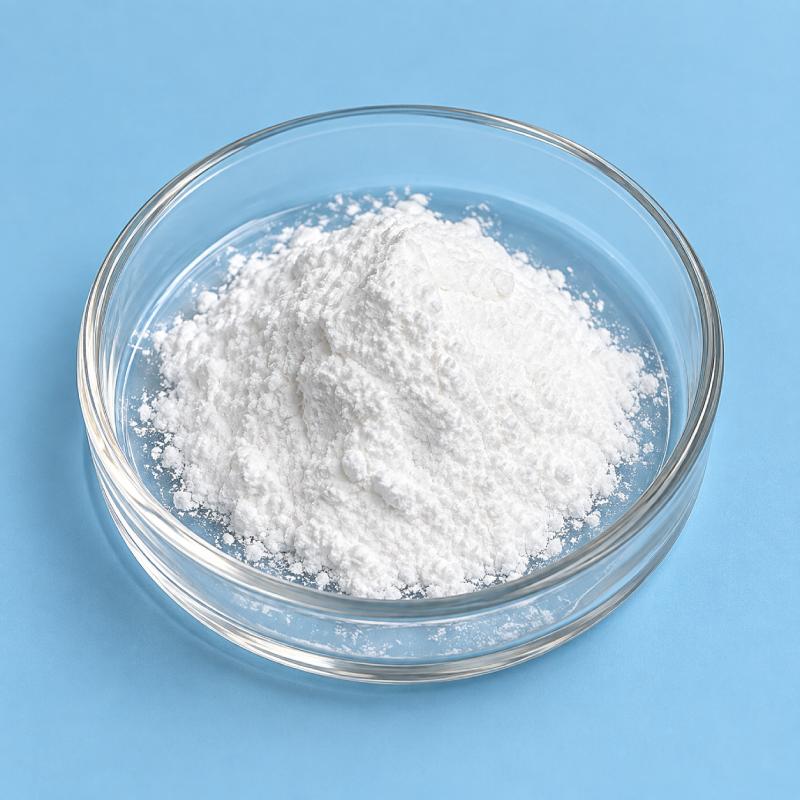
Color product white to creamy white
Dosage Sunscreen sprays 1-5%, alcohol SPF sprays 1-5%, transparent SPF systems 1-5%, sports SPF products 1-5%, creams and lotions 1-5%, decorative cosmetics 1-5%, select the exact concentration based on the required water resistance and formulation
Features All information presented on the site is for reference only
Name Dermacryl 79 100 g
Other names Dermacryl 79, Dermacryl 79 Polymer, Acrylates/Octylacrylamide Copolymer, Octylacrylamide Acrylates Copolymer, film-forming polymer, water-resistant film former, polymer for SPF, film former, water-resistant film former
Packaging container for transportation
Properties Forms a hydrophobic film with high resistance to moisture, increases the water resistance of sunscreen formulations, helps maintain SPF after contact with water, increases resistance to abrasion and towel rubbing, helps retain active ingredients at the site of application, forms a low-shine film, is especially effective in alcohol-based systems, is suitable for aerosol and regular sprays, is widely used in sun care and color cosmetics
Purpose SPF sprays: increasing the water resistance of the protective film, sports sunscreens: increasing resistance to water and mechanical impact, decorative cosmetics: increasing the durability of the coating, creams and lotions: retention of functional components on the skin surface, alcohol systems: creation of a hydrophobic film without the need for preliminary neutralization of the polymer
Solubility soluble in ethanol, soluble in ethanol-water mixtures, requires complete neutralization in water
Type hydrophobic high molecular weight carboxylated acrylic copolymer
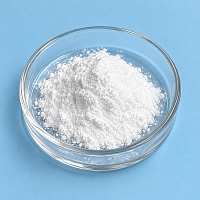
View fine powder
Valid until 10.2028
Add a review
Your score:
Send feedback
Error

Close window
Product added to cart
Total:
Request the price of the product
Fill in the details for the price request
Request a price Request a price