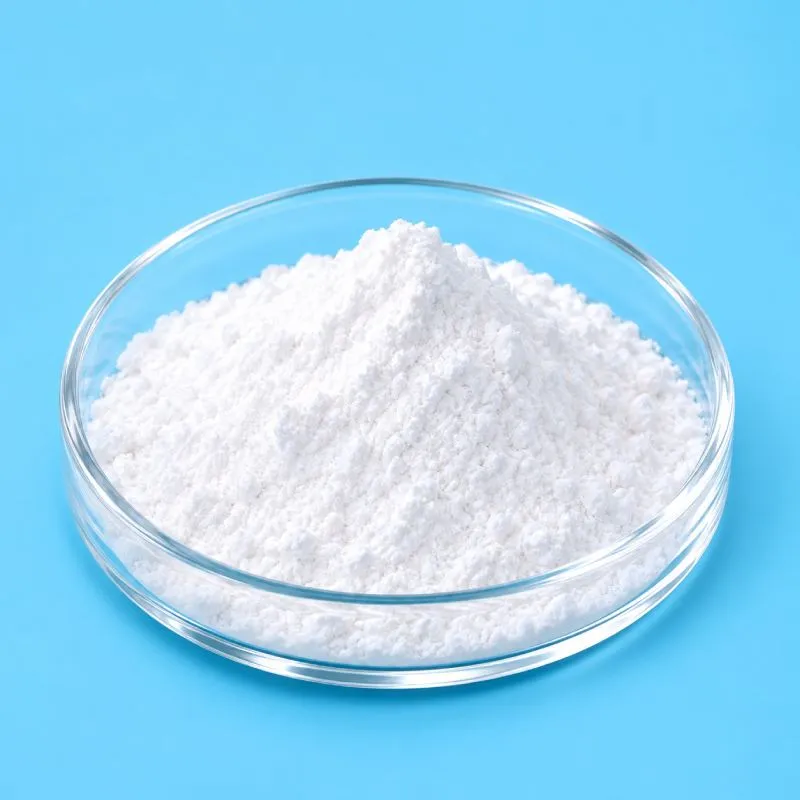
D-Glucuronic Acid as an Advanced Active Ingredient for Cellular Regeneration and Cosmetic Formulation
Modern biotechnology and advanced skincare science consistently demand innovative ingredients capable of optimizing epidermal renewal and defending skin against premature environmental aging. D-Glucuronic Acid stands out as a fundamental biological building block that serves as a vital precursor to hyaluronic acid and other essential glycosaminoglycans within human tissue. This specialized biochemical compound plays an indispensable role in maintaining extracellular matrix integrity, promoting deep moisture retention, and supporting natural detoxification pathways within skin cells. Professional formulators and research laboratories around the world select this versatile active ingredient to elevate the performance of advanced anti-aging serums, intensive repair creams, and targeted restructuring treatments.
The exceptional physiological efficacy of this compound derives from its unique molecular structure and rich profile of active biochemical constituents. As a natural oxidation product of glucose, it contains reactive carboxyl groups and polar hydroxyl sites that actively bind moisture molecules and enhance cellular communication. The active fraction delivers essential organic acids, protective antioxidants, and metabolic intermediates that stimulate collagen synthesis and reinforce dermal elasticity. Formulators value its high stability across complex emulsions and its seamless compatibility with various botanical extracts, peptides, and humectants, allowing for precise control over final product viscosity and skin-feel without destabilizing sensitive delivery systems.
Global Market Demand, Industrial Applications, and Professional Integration
International cosmetic markets exhibit rapid growth in demand for bio-fermented active ingredients that offer proven clinical efficacy and sustainable sourcing profiles. D-Glucuronic Acid meets these rigorous standards, finding extensive use in luxury cosmetic lines designed for mature, stressed, or dehydrated skin types. Artisanal creators and large-scale manufacturing facilities alike incorporate this functional asset into formulations ranging from restorative night treatments and firming neck gels to specialized professional peeling neutralizers and barrier-repair emulsions.
Beyond facial skincare, this versatile ingredient supports advanced body care formulations aimed at improving skin density and elasticity on vulnerable areas. In professional spa treatments and specialized dermatological laboratories, it contributes to targeted restructuring protocols that address textural irregularities and moisture depletion. While primarily celebrated for its cosmetic applications, related derivatives of this biochemical family also find specialized utility in pharmaceutical formulations and biochemical research due to their involvement in phase two metabolic conjugation and cellular protection mechanisms.
Restorative Anti-Aging Facial Serum Formulation
Rose floral water - fifty milliliters
Glycerin - five grams
D-Glucuronic Acid - two grams
Sodium hyaluronate - one gram
Panthenol - three milliliters
Phenoxyethanol and ethylhexylglycerin - one milliliter
The finished facial serum possesses a silky, fast-absorbing fluid texture that spreads effortlessly across the epidermis and penetrates deeply without leaving any tacky residue. Upon application, the formula delivers an immediate surge of moisture while gradually improving skin firmness and smoothing micro-relief over consecutive weeks of use. Regular daily application supports the skin natural moisture-retention matrix, leaving the complexion noticeably more resilient, plump, and thoroughly radiant.