A comprehensive technical formulation guide dedicated to managing rheology in cosmetics using the natural polysaccharide AMIGEL (Sclerotium Gum). This article explores the physical mechanisms of polymer hydration and network formation for structuring clear gels, light emulsions, and particle-suspending fluids. It covers pre-dispersion in polyols, electrolyte stability, shear rate handling, incompatibility limits, thermal limits, and precise pH controls. Features three complete DIY recipes with step-by-step compounding instructions and cold storage standards.
A comprehensive technical formulation guide dedicated to utilizing the bio-based film former Natpure Film AP (derived from sugar cane) in color cosmetics and hair care. This article breaks down the physical mechanics of flexible film creation, moisture resistance, and pigment adhesion enhancement. It covers aqueous dissolution protocols, compatibility with natural polymers and gums, thermal boundaries, and precise pH controls. Features three complete DIY recipes with step-by-step compounding instructions and storage standards.
A comprehensive technical formulation guide to designing skin barrier restoration creams and liposomal fluids using ViableCare LipoCare 8. This article breaks down the physiological mechanism of ceramide integration into stratum corneum lipids to stop transepidermal water loss. It details exact processing protocols to protect liposomal structures, low-shear cooling phase entry below thirty degrees Celsius, emulsifier compatibility, and pH boundaries. Features three complete DIY recipes with step-by-step compounding instructions and cold storage standards.
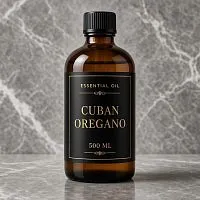
Coleus amboinicus Essential Oil: The Aromatic Power of Indian Borage
Discover the potent and herbaceous aroma of Coleus amboinicus Essential Oil, steam-distilled from the leaves of the Coleus amboinicus plant, also known as Indian Borage, Spanish Thyme, or Cuban Oregano. This lesser-known yet remarkably versatile essential oil boasts a strong, camphoraceous, and slightly spicy fragrance with earthy undertones. Its rich profile of bioactive compounds makes it a compelling ingredient for cosmetic formulations targeting skin purification, soothing, and invigorating aromatic experiences.
Versatile Applications and Areas of Use in Cosmetics:
Coleus amboinicus Essential Oil's robust aroma and potential skin benefits make it a valuable addition to specific cosmetic applications:
Purifying Cleansers and Toners: Incorporate in facial cleansers, body washes, and toners for its potential cleansing and purifying properties, helping to remove impurities and excess oil from the skin.
Soothing Balms and Ointments: Due to its traditional use for skin ailments, it can be included in balms and ointments aimed at soothing minor skin irritations, insect bites, and minor burns. Its potential anti-inflammatory properties may contribute to this effect.
Invigorating Massage Oils and Body Scrubs: Blend with carrier oils for massage oils or incorporate into body scrubs for an invigorating and warming sensation on the skin, coupled with its strong, herbaceous aroma that can be revitalizing.
Foot Care Products: Add to foot soaks, scrubs, and balms for its potential to deodorize and soothe tired feet, offering a refreshing and slightly medicinal aroma.
Aromatic Bath Products: Include in bath salts and soaks for a stimulating and aromatically intense bathing experience. Its strong scent can be quite impactful in bath formulations.
Natural Deodorants: Its strong, somewhat medicinal aroma may contribute to natural deodorant formulations, helping to mask odors, though careful dilution is crucial due to potential skin sensitivity.
Scalp Treatments: Incorporate into scalp massage oils or hair treatments for its potential to stimulate circulation and its strong, cleansing aroma.
Aromatic Component in Unique Fragrance Blends: While potent, in very low dilutions, it can contribute a unique, spicy-herbaceous note to unconventional fragrance compositions, particularly those aiming for earthy or medicinal undertones.
Key Advantages for Cosmetic Formulations:
Strong and Distinctive Aroma: Offers a powerful, camphoraceous, and herbaceous scent that can provide a unique aromatic profile to products.
Potential Purifying Properties: May assist in cleansing the skin and removing impurities.
Traditionally Used for Soothing: Has a history of use in traditional use for soothing minor skin irritations.
Invigorating and Warming Sensation: Can provide a stimulating and slightly warming effect when applied topically.
Natural Deodorizing Potential: Its strong aroma may help to mask unpleasant odors.
Unique Botanical Ingredient: Offers a less common and potentially intriguing ingredient for consumers seeking natural and potent formulations.
Worldwide Shipping: Our online store ensures convenient delivery to customers globally.
Fill a basin with warm water to a comfortable level.
In a separate small bowl, combine the Epsom salt, sea salt, and baking soda.
In another small bowl, blend the Coleus amboinicus Essential Oil with the carrier oil (this helps to disperse the essential oil in the water).
Add the salt mixture and the essential oil blend to the warm water. Stir well to dissolve the salts and disperse the oil.
Soak your feet in the solution for 15-20 minutes.
Pat your feet dry thoroughly after soaking.
Application Recommendations:
Use this foot soak once or twice a week for a refreshing and deodorizing experience.
Adjust the number of essential oil drops based on your sensitivity to strong aromas, starting with a lower amount.
Always dilute Coleus amboinicus Essential Oil with a carrier oil before adding it to water to ensure proper dispersion and minimize potential skin sensitivity.
Avoid using on broken or irritated skin.
Perform a patch test on a small area of skin before using the foot soak to check for any potential allergic reactions or sensitivity to the essential oil.
Do not ingest. Keep out of reach of children and pets.
If you have any medical conditions, consult with a healthcare professional before using essential oils.
Characteristics:
INCI
Coleus Amboinicus Leaf Essential Oil
Other
Application
Cosmetics: in creams, serums, gels and tonics for oily and inflamed skin Aromatherapy: for coughs, colds, bronchitis, inhalations Perfumery: as a spicy herbal note in men's and functional fragrances Body care: in lotions, antiperspirants, repellent formulas Massage: to relieve muscle tension, inflammation, joint pain Soaps and shampoos: in cleansing and antifungal lines Veterinary: in ointments and shampoos for animals Household cosmetics: in natural cleaning and disinfecting agents
Aroma
Intense, spicy-minty, with notes of oregano, thyme and eucalyptus. Refreshing, warm, herbaceous-medicinal, with a characteristic green depth. Perfect for medicinal, antiseptic and men's products. Combines with oils of eucalyptus, mint, thyme, rosemary, tea tree, lavender, cedar.
Pale yellow or greenish yellow, transparent oil of medium fluidity.
Dosage
Aroma lamp, diffuser: 2–4 drops Face cosmetics: 0.2–0.5% Body cosmetics: up to 1% Serums and lotions: 0.3–0.7% Massage oils: 3–5 drops per 10 ml base Perfumes: 1–4% Soaps and shampoos: up to 1% Baths: 4–5 drops per salt or emulsifier It is recommended to conduct a sensitivity test before use. Do not use in pure form.
Features
All information presented on the site is for reference only
Coleus amboinicus essential oil is valued in aromatherapy, cosmetics, herbal use, veterinary use, wellness and spa practices. It has pronounced antiseptic, anti-inflammatory and expectorant properties, due to which it is used in products for the respiratory tract, skin diseases, insect bites, eczema and dermatitis. In cosmetics, it is used in formulas for oily, problem skin, in shampoos against dandruff and scalp itching. It is also used in lines for men, in deodorants, massage formulas. In aromatherapy, it helps with colds, runny nose, nasal congestion, facilitates breathing, supports immunity. In perfumery, it is used in niche compositions as a spicy-green or medicinal note.