Fast worldwide delivery
Product catalog
Master classes, recipes, tips
AMIGEL rheology guide: Sclerotium Gum in gels emulsions and suspensions
A comprehensive technical formulation guide dedicated to managing rheology in cosmetics using the natural polysaccharide AMIGEL (Sclerotium Gum). This article explores the physical mechanisms of polymer hydration and network formation for structuring clear gels, light emulsions, and particle-suspending fluids. It covers pre-dispersion in polyols, electrolyte stability, shear rate handling, incompatibility limits, thermal limits, and precise pH controls. Features three complete DIY recipes with step-by-step compounding instructions and cold storage standards.
Natpure Film AP: natural film-forming technology for skin color cosmetics and hair
A comprehensive technical formulation guide dedicated to utilizing the bio-based film former Natpure Film AP (derived from sugar cane) in color cosmetics and hair care. This article breaks down the physical mechanics of flexible film creation, moisture resistance, and pigment adhesion enhancement. It covers aqueous dissolution protocols, compatibility with natural polymers and gums, thermal boundaries, and precise pH controls. Features three complete DIY recipes with step-by-step compounding instructions and storage standards.
ViableCare LipoCare 8: integrating a liposomal ceramide complex into barrier-care formulas
A comprehensive technical formulation guide to designing skin barrier restoration creams and liposomal fluids using ViableCare LipoCare 8. This article breaks down the physiological mechanism of ceramide integration into stratum corneum lipids to stop transepidermal water loss. It details exact processing protocols to protect liposomal structures, low-shear cooling phase entry below thirty degrees Celsius, emulsifier compatibility, and pH boundaries. Features three complete DIY recipes with step-by-step compounding instructions and cold storage standards.
Product Description

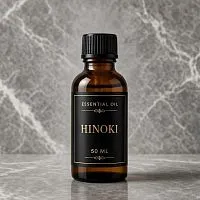
Chamaecyparis obtusa Essential Oil functional characteristics and industrial application

Chamaecyparis obtusa Essential Oil is a high-quality plant-based raw material obtained by steam distillation of the wood or needles of the Japanese cypress, commonly known as Hinoki. This oil form is valued in industrial production for its high concentration of natural terpenes and a unique aromatic profile combining woody and lemony notes. The essential oil format is convenient for technological processes due to its ability to easily blend with other lipid phases and solubilizers. Manufacturers choose this component for creating premium lines where biological purity of the raw material and its stability in finished formulas are essential. The technological application of Hinoki oil is justified by its natural properties, which ensure long-term retention of aromatic characteristics in the final product.

Properties and purpose

The primary purpose of Chamaecyparis obtusa Essential Oil in production logic is to create an antiseptic barrier and provide a pronounced aromatherapeutic effect. The component is actively used in cleansing products where a gentle effect on the epidermis is required. Formulators choose the oil for its ability to suppress the development of unwanted microflora without aggressive chemical impact. In cosmetic formulations, the raw material acts as a natural conditioning agent, improving the organoleptic properties of emulsions. Due to its high purity, Hinoki oil is applicable in recipes focused on eco-friendliness and natural composition, ensuring the reproducibility of the quality of each batch of goods.

Industrial applications

In the cosmetics industry, Chamaecyparis obtusa Essential Oil is in demand for the production of premium segment face and body care products. Skin care often includes this ingredient in formulations for oily and combination skin due to its sebum-regulating potential. Hair care utilizes the oil in shampoo and mask formulas aimed at maintaining scalp cleanliness. Products in the body care direction, such as bath oils and salts, are based on the relaxing aroma of Hinoki. The Wellness sector actively integrates the component into Private label projects to create interior fragrances and functional products. In nutraceuticals, the oil is considered exclusively as a raw material for specific aromatic additives, providing scalability of recipes for mass production.

Recipe

Base for oil serum 85 ml 

Chamaecyparis obtusa Essential Oil 2 ml 

Refined jojoba oil 10 ml 

Cosmetic Vitamin E 3 ml

Chamaecyparis obtusa Essential Oil is a stable and versatile component for B2B clients aimed at producing high-quality products. Standardized purity indicators and the content of active compounds guarantee the predictability of the result in large-scale production cycles.

Characteristics:
INCI Chamaecyparis Obtusa Wood Essential Oil
Other
Application Perfumery Used as a fresh, woody note Pairs well with citrus, lavender, vetiver, and sandalwood Aromatherapy Creates an atmosphere of calm and purity Cosmetics Used as an aromatic component in creams, oils, and skincare products Candles and room fragrances Creates a natural forest scent
Aroma A fresh woody scent Soft pine notes Clean forest freshness Light citrusy green undertone Warm woody base The scent is calm and harmonious
Att brand Japan
Color product Pale yellow Sometimes light golden Low viscosity
Dosage Extrait 1–5% Eau de Parfum 0.5–3% Perfume oils 2–7% Creams 0.05–0.25% Candles 3–6% Diffuser 2–4 drops
Features All information presented on the site is for reference only
Minimum count 1
Name Chamaecyparis obtusa Essential Oil 5 ml
Other names Hinoki Oil Japanese Cypress Oil Hinoki Cypress Oil Japanese Cedar Cypress Oil / Hinoki Essential Oil Chamaecyparis Obtusa Japanese Hinoki Cypress Essential Oil
Packaging container for transportation
Packing 5 ml
Properties Lightweight fragrance fixative Adds freshness and a natural woody texture Emphasises green notes Stabilizes aromatic compositions
Purpose Hinoki is considered a traditional Japanese aromatic tree. The scent is reminiscent of a fresh mountain forest. It is used in aromatherapy, perfumes, and aromatic products. It is used in perfumery. It is used in aromatherapy. It is used as an aromatic component in cosmetics. It is used in scented candles and diffusers.
Solubility oil, alcohol, ether
Type natural
View liquid
Valid until 12.2029
Add a review
Your score:
Send feedback
Error

Close window
Product added to cart
Total:
Request the price of the product
Fill in the details for the price request
Request a price Request a price