A comprehensive technical formulation guide dedicated to managing rheology in cosmetics using the natural polysaccharide AMIGEL (Sclerotium Gum). This article explores the physical mechanisms of polymer hydration and network formation for structuring clear gels, light emulsions, and particle-suspending fluids. It covers pre-dispersion in polyols, electrolyte stability, shear rate handling, incompatibility limits, thermal limits, and precise pH controls. Features three complete DIY recipes with step-by-step compounding instructions and cold storage standards.
A comprehensive technical formulation guide dedicated to utilizing the bio-based film former Natpure Film AP (derived from sugar cane) in color cosmetics and hair care. This article breaks down the physical mechanics of flexible film creation, moisture resistance, and pigment adhesion enhancement. It covers aqueous dissolution protocols, compatibility with natural polymers and gums, thermal boundaries, and precise pH controls. Features three complete DIY recipes with step-by-step compounding instructions and storage standards.
A comprehensive technical formulation guide to designing skin barrier restoration creams and liposomal fluids using ViableCare LipoCare 8. This article breaks down the physiological mechanism of ceramide integration into stratum corneum lipids to stop transepidermal water loss. It details exact processing protocols to protect liposomal structures, low-shear cooling phase entry below thirty degrees Celsius, emulsifier compatibility, and pH boundaries. Features three complete DIY recipes with step-by-step compounding instructions and cold storage standards.
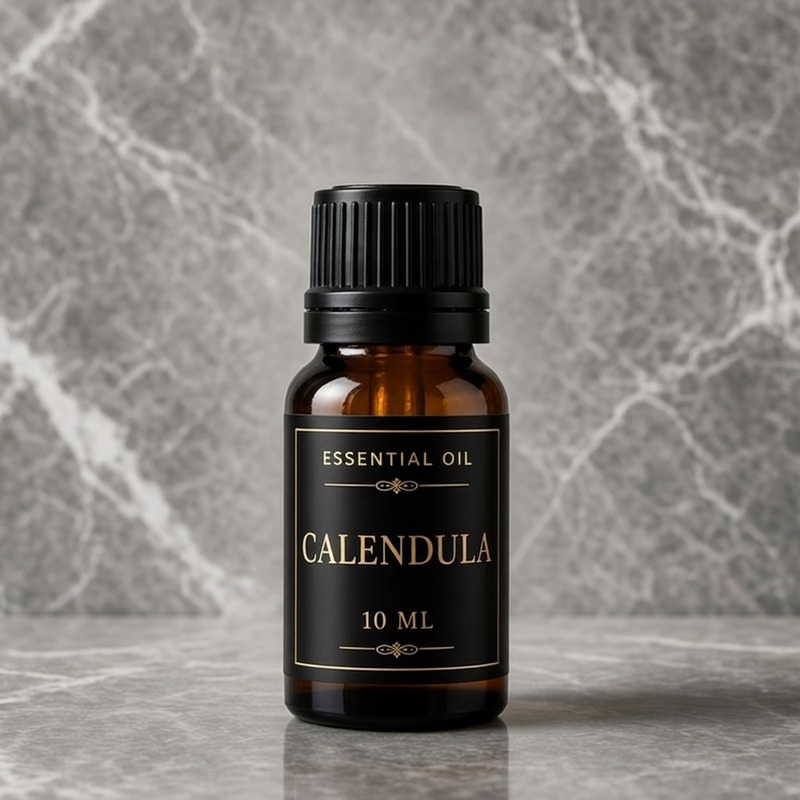
Calendula officinalis Essential Oil: The Gentle Healer for Radiant Skin
Embrace the soothing and restorative power of Calendula officinalis Essential Oil, a precious extract steam-distilled from the vibrant golden-orange petals of the Calendula flower (marigold). Celebrated for centuries for its remarkable skin-calming, anti-inflammatory, and wound-healing properties, this gentle yet potent essential oil is a valuable addition to a wide range of cosmetic formulations. Its mild, slightly herbaceous aroma complements its impressive therapeutic benefits, making it ideal for sensitive, irritated, and problem skin.
Versatile Applications and Areas of Use in Cosmetics:
Calendula officinalis Essential Oil's well-documented benefits make it a versatile ingredient for numerous cosmetic applications:
Soothing Serums and Creams: Incorporate into facial serums, creams, and lotions designed for sensitive, reactive, or irritated skin to help reduce redness, inflammation, and discomfort.
Post-Sun Care Products: Its calming and skin-repairing properties make it an excellent addition to after-sun lotions, balms, and sprays to soothe and promote healing of sun-exposed skin.
Baby Care Products: Due to its gentle nature, it can be included in baby lotions, creams, and diaper rash balms to soothe and protect delicate infant skin.
Wound Healing and Scar Reduction Balms: Its traditional use for wound healing makes it a valuable ingredient in balms and ointments aimed at promoting skin regeneration and minimizing the appearance of scars and blemishes.
Acne and Blemish Treatments: Its anti-inflammatory and potential antiseptic properties can assist in soothing inflamed acne lesions and promoting healing.
Eye Creams and Serums: Its gentle nature makes it suitable for inclusion in eye creams and serums to soothe the delicate skin around the eyes and potentially reduce puffiness.
Lip Balms and Treatments: Add to lip balms to soothe chapped or irritated lips and promote healing.
Massage Oils for Sensitive Skin: Blend with gentle carrier oils for a soothing and calming massage oil suitable for sensitive skin types.
Hair and Scalp Treatments: Incorporate into scalp treatments and hair oils to soothe an irritated scalp and potentially promote healthy hair growth.
Key Advantages for Cosmetic Formulations:
Potent Anti-inflammatory Properties: Effectively helps to reduce redness, swelling, and irritation in sensitive or inflamed skin.
Supports Wound Healing and Skin Regeneration: Traditionally used to promote the healing of minor cuts, scrapes, and burns.
Gentle and Well-Tolerated: Suitable for sensitive skin types and often included in formulations for babies and children.
Antioxidant Properties: Contains compounds that can help protect the skin from free radical damage.
Mild and Pleasant Aroma: Offers a subtle, herbaceous scent that is generally well-received.
Versatile Compatibility: Blends well with various cosmetic bases and other essential oils.
Worldwide Shipping: Our online store provides convenient delivery to customers globally.
Cosmetic Recipe: Calendula Soothing Skin Balm
Ingredient
Quantity (by weight)
Olive Oil (Infused with Calendula Flowers - optional, or use plain)
50%
Beeswax
25%
Shea Butter (Unrefined)
15%
Calendula officinalis Essential Oil
5%
Vitamin E Oil
5%
Instructions:
In a double boiler or heat-resistant container placed in a hot water bath, gently melt the Beeswax and Shea Butter together until completely liquefied.
Remove from heat and stir in the Olive Oil (if using plain olive oil, do so now). If you have Calendula-infused olive oil, it's already incorporated.
Allow the mixture to cool slightly before adding the Calendula officinalis Essential Oil and Vitamin E Oil. Stir gently until well combined.
Pour the mixture into clean, airtight containers and allow it to solidify at room temperature.
Application Recommendations:
Apply a small amount of the Calendula Soothing Skin Balm to clean, dry skin on areas needing soothing or healing, such as irritated patches, minor cuts, scrapes, or dry skin.
Gently massage the balm into the skin until absorbed.
Use as needed, several times a day, for optimal soothing and healing benefits.
Store the balm in a cool, dark place.
Perform a patch test on a small area of skin before widespread use to check for any potential sensitivity to the essential oil.
Characteristics:
INCI
Calendula Officinalis Flower Essential Oil
Other
Application
Cosmetics — in creams, balms, masks, serums for sensitive and inflamed skin Body care — in products after epilation, sun, bites Aromatherapy — for irritability, anxiety, for harmonization Massage mixtures — for skin care with damage and inflammation Soap making — for medicinal and soothing soaps Children's cosmetics — in compositions for skin care of newborns Hygiene and dermatological products — in medicinal ointments, sprays, creams
Aroma
Soft, herbaceous, slightly bitter with earthy and floral undertones. Natural, balanced, with a light note of honey and green herbs. Pairs well with lavender, chamomile, geranium, tea tree, sandalwood and neroli oils.
From light yellow to orange, depending on concentration. The oil is transparent, sometimes with a slight cloudy tint.
Dosage
Facial cosmetics: 0.1–0.5 percent Body products: up to 1 percent Aroma lamps: 2–3 drops Massage oils: 3–5 drops per 10 ml of base Children's cosmetics: up to 0.2 percent Baths: 4–5 drops per salt or milk Soaps and gels: up to 1 percent Ointments and balms: 0.5–1.5 percent Perfumery: rarely used, only in medicinal formulations A sensitivity test must be performed before use. Do not use undiluted.
Features
All information presented on the site is for reference only
Calendula essential oil is used in cosmetics, aromatherapy, dermatology, pharmaceuticals and spa care. Due to its pronounced healing, anti-inflammatory and antibacterial properties, it is ideal for the care of sensitive, inflamed, dry and problematic skin. It is widely used in baby products, dermatological creams, oils and balms. In aromatherapy, it is used as a soft remedy for calming the nervous system and relieving stress. It is suitable for aromatizing natural cosmetics, including handmade soaps and creams.