Brij L23 Technical Efficiency and Formulation Versatility in Industrial Chemical Manufacturing
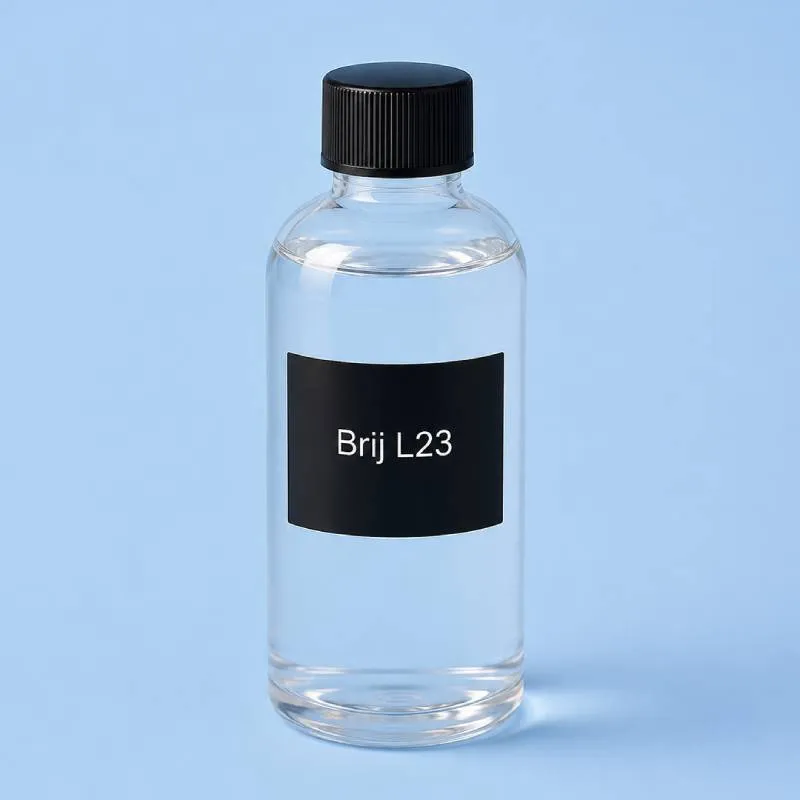
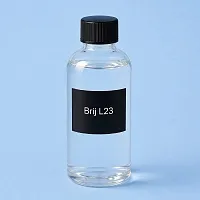
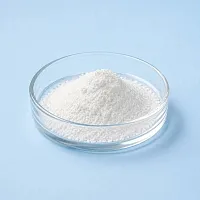
Brij L23 is a premium non-ionic surfactant and high-HLB ethoxylated alcohol engineered specifically for industrial formulation architecture, scalable contract manufacturing, and commercial product development. Derived from natural lauryl alcohol and processed via precision ethoxylation to contain twenty-three moles of ethylene oxide, this high-purity functional ingredient is widely recognized under its international INCI designation Laureth-23. Global B2B laboratories and scale-up production facilities favor this ethoxylated fatty alcohol due to its exceptional stability across extreme pH ranges, high electrolyte tolerance, and structural resilience in complex chemical environments. Acting as an essential component for both cold and hot manufacturing processes, this surfactant provides the critical molecular bridging needed to secure long-term physical stability in challenging multi-phase systems.
Advanced Action Mechanism and Structural Formulation Benefits
The functional core of Laureth-23 lies in its robust hydrophilic-lipophilic balance, carrying a high HLB value of approximately sixteen point nine, which makes it an outstanding oil-in-water emulsifier, solubilizer, and wetting agent. Within a chemical matrix, the extensive polyoxyethylene chain of this lipid-based ingredient projects into the aqueous phase, generating strong steric hindrance that prevents the coalescence of dispersed oil droplets. Formulators and chemical engineers select this ethoxylated compound to master the solubilization of hydrophobic materials, including essential oils, aromatic compounds, lipid fractions, and organic pigments, into clear water-based solutions. This surfactant prevents phase separation in delicate emulsions, improves the spreadability of finished products, and modifies viscosity without causing the unwanted tackiness often associated with high-molecular-weight polymers. For ingredient transparency and compliance with global digital commerce systems, this component functions as a reliable stabilizer and sensory modifier that enhances the lifecycle of professional and industrial product lines.
Strategic Integration Across Modern Global Industries
The versatility of Brij L23 extends far beyond standard personal care applications, driving performance across a diverse spectrum of manufacturing sectors. In the international cosmetics and beauty industry, it serves as the structural backbone for weightless moisturizing fluids, micro-emulsions, and specialized hair care preparations where seamless rinsing is mandatory. The professional soap-making sector utilizes its powerful wetting and cleansing properties to create clear liquid soaps, premium syndet bars, and high-foaming bath products that perform consistently even in hard water conditions. Within the modern household chemical industry and industrial cleaning sector, Laureth-23 is highly sought after for formulating concentrated laundry detergents, surface cleaners, and automotive care products due to its superior soil-suspension capabilities and low toxicity profile. Furthermore, its chemical stability allows for successful integration into the pharmaceutical sector as an excipient for topical delivery systems, as well as into the textile processing industry where it facilitates even dye penetration and fiber lubrication.
Technical Advantages for Formulation Laboratories and Scaled Production
For contract manufacturers and brand developers, Brij L23 offers deep economic and logistical advantages that streamline factory floor operations. Its clean semantic profile and compatibility with anionic, cationic, and other non-ionic surfactant systems eliminate the risk of ingredient antagonism, allowing for highly streamlined, multi-functional ingredient decks. The raw material enhances the dispersion of micronized pigments and physical uv filters, making it a critical asset for decorative cosmetic manufacturing and advanced sun care lines. Because it maintains chemical integrity in both highly acidic and strongly alkaline media, developers can utilize a single emulsifier system across an entire product portfolio, significantly reducing raw material inventory costs and optimizing production warehouse space.
Laboratory Prototype Complex Solubilized Serum Formulation
First phase: Purified Demineralized Water 78 ml Vegetable Glycerin 5 ml Allantoin 0.5 grams
Second phase: Brij L23 4 grams Argania Spinosa Kernel Oil 2 ml Tocopheryl Acetate 1 ml Fragrance Oil 0.5 ml
Third phase: Phenoxyethanol 1 ml
The assembly process begins by heating the water of the first phase to sixty degrees Celsius and dissolving the vegetable glycerin and allantoin under low-speed propeller agitation until the mixture is completely uniform. In a separate vessel, the ingredients of the second phase are combined and gently warmed until the Brij L23 is fully liquefied and has completely solubilized the lipophilic components into a clear oil phase. The second phase is then slowly introduced into the water phase under high-shear homogenization for three minutes to establish a stable micro-emulsion. Once the batch is cooled down below forty degrees Celsius under slow paddle mixing, the phenoxyethanol preservative is added. The resulting finished product displays a pristine, crystal-clear fluid texture with excellent sensory glide, a lightweight non-greasy skin feel, and exceptional long-term thermal stability against separation.
Global Market Demand and Commercial Supply Reliability
In the contemporary B2B market, Laureth-23 remains an indispensable asset for developers aiming to meet the rigorous benchmarks of modern consumer demands and international regulatory frameworks. Its dual nature as an effective cleansing agent and a structural stabilizer allows international supply chains to deliver versatile raw material options to manufacturing hubs worldwide. By securing a reliable supply of this highly ethoxylated alcohol, commercial production facilities can confidently scale up their manufacturing volumes, ensuring perfect batch-to-batch reproducibility, minimized product rejection rates, and exceptional market readiness for high-tier consumer goods.