Behentrimonium Chloride 1 kg for Professional Hair Conditioner Manufacturing
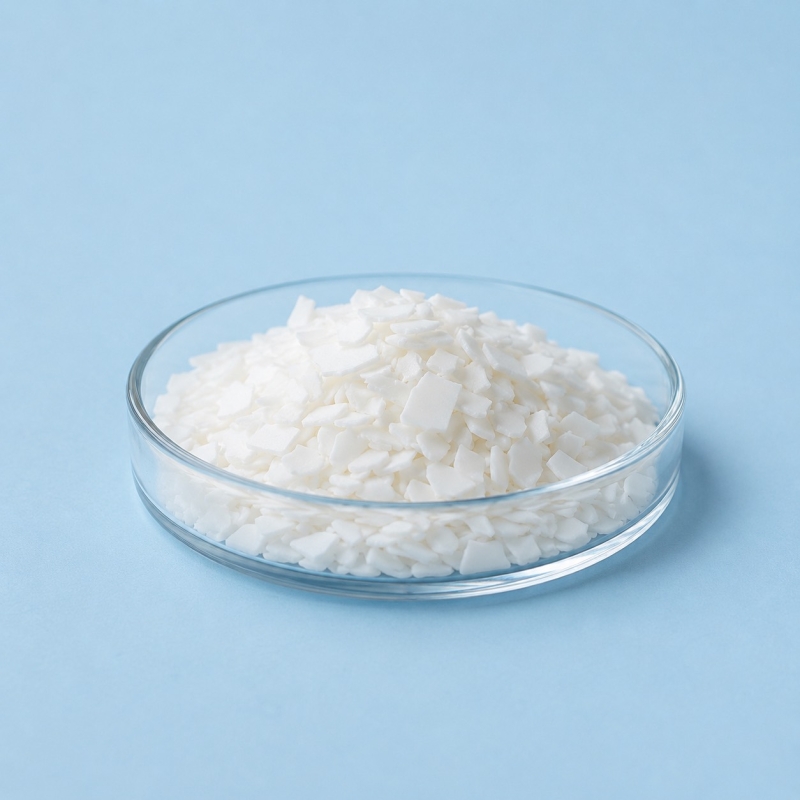
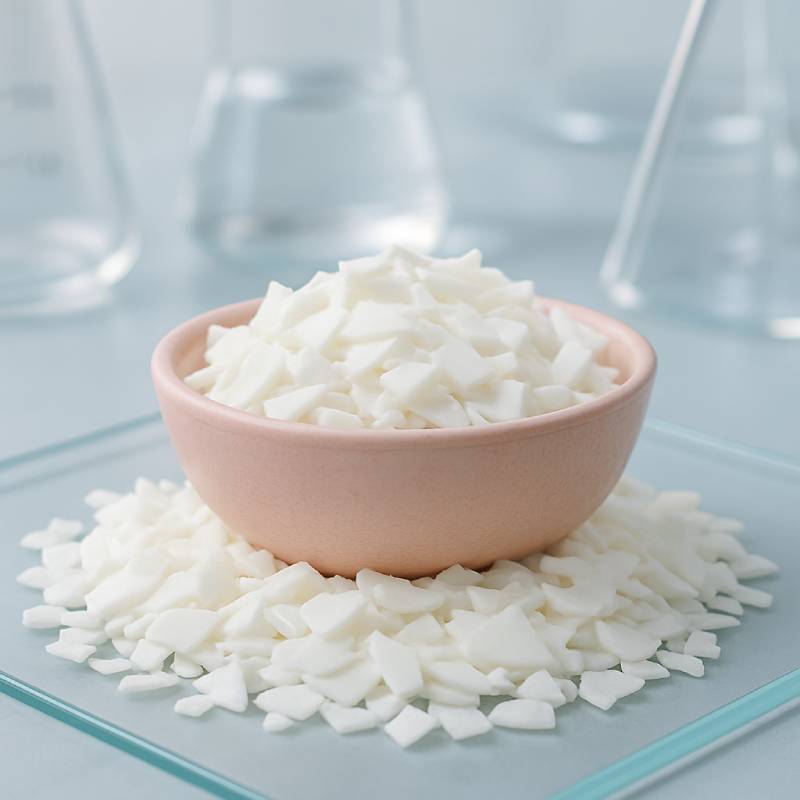
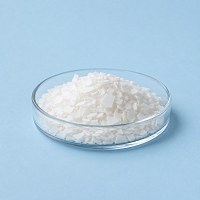
Behentrimonium Chloride 1 kg is a cationic conditioning ingredient designed for professional hair care formulation and manufacturing. It is primarily used in conditioners, hair masks, conditioning balms and related systems where formulators need improved hair slip, easier combing and reduced static. Behentrimonium Chloride is the internationally recognized ingredient name used when developing and sourcing this type of conditioning raw material.
The 1 kg pack is intended for production batches, pilot scale-up and repeat manufacturing rather than initial small-volume experimentation. Within the Mylo Opt catalog it is positioned with Silicones and Conditioning Surfactants for Hair Wholesale, where formulators can compare ingredients used to build professional hair conditioning systems.
Building rinse-off conditioners with Behentrimonium Chloride
Rinse-off hair conditioners are one of the principal applications for Behentrimonium Chloride.
Its cationic character makes it useful when developing formulas intended to improve hair manageability and combing while providing the slip expected from a modern conditioner.
The final performance, however, is created by the entire formulation. Fatty alcohols, emollients, oils, silicones and other conditioning ingredients can all influence viscosity, deposition, sensory properties and the character of the finished product.
For this reason Behentrimonium Chloride should be evaluated as part of a complete conditioning system rather than as an isolated ingredient.
Developing professional hair masks
Hair masks generally require a different structural and sensory profile from lightweight daily conditioners.
Behentrimonium Chloride can form part of the conditioning system in richer formulas containing fatty alcohols, oils, emollients, silicones and other functional ingredients.
A formulator can adjust the balance of these materials to create different levels of body, slip and after-feel.
Simply increasing the amount of a cationic ingredient is not a substitute for properly balancing the complete formulation.
Designing balm and intensive conditioning textures
Professional balms and intensive conditioning products often combine conditioning performance with a substantial cream structure.
In these systems the formulator must consider both the cationic ingredient and the materials responsible for body and consistency.
Fatty alcohols are particularly relevant when designing this type of product. Their ratio to the other ingredients can substantially alter viscosity and application properties.
Pilot testing is therefore important before transferring a laboratory formula to a larger manufacturing vessel.
Pairing Behentrimonium Chloride with silicones
Behentrimonium Chloride and silicones perform different formulation functions and should not be treated as interchangeable raw materials.
A professional conditioning formula may contain both when the desired product profile requires their respective properties.
For example, Amodimethicone 1 L can be evaluated as a separate conditioning ingredient within an appropriately designed hair care system.
Another option for sensory modification is Natural Coconut Silicone 1 L. This is a different raw material with a different INCI and should be evaluated according to its own technological role.
Use in cleansing hair systems
Behentrimonium Chloride may also be considered for suitable cleansing formulations, but compatibility becomes particularly important when a cationic ingredient is introduced into a surfactant system.
A shampoo cannot be treated as a diluted conditioner. Its surfactant composition creates a different formulation environment.
Compatibility, viscosity, appearance and stability should therefore be evaluated in the actual cleansing base before the ingredient is approved for production use.
For a new shampoo project, laboratory screening should precede scale-up to a 1 kg raw-material requirement.
Behentrimonium Chloride versus Polyquaternium conditioning polymers
Behentrimonium Chloride should not be grouped with every cationic conditioning ingredient as though the materials were interchangeable.
Polyquaternium ingredients are polymers with their own individual INCI identities and formulation behavior.
For example, Polyquaternium 10 can also be used when developing conditioning hair products, but it represents a different type of raw material.
Changing from Behentrimonium Chloride to a Polyquaternium requires reformulation and testing rather than a simple one-for-one substitution.
Why the 1 kg pack is a production format
The 1 kg format is intended for formulators and manufacturers who have moved beyond initial ingredient screening.
It is suitable for pilot manufacturing, repeated batches and regular production of conditioners, masks, balms and other hair care products in which Behentrimonium Chloride has already been incorporated into the formulation.
This production intent is important because it separates the 1 kg product page from smaller pack sizes intended primarily for laboratory evaluation and early formulation work.
Selecting the use level
The appropriate Behentrimonium Chloride concentration depends on the specification of the supplied raw material and the complete formulation.
A lightweight daily conditioner, a dense hair mask and a cleansing system should not automatically use the same concentration simply because they contain the same conditioning ingredient.
Formulators should evaluate several prototype levels and compare the resulting structure, stability and hair feel before defining the production formula.
Processing in a conditioning system
The supplied Behentrimonium Chloride must be incorporated according to the requirements of the specific raw material and the complete manufacturing process.
Processing conditions can depend on the fatty alcohol system, emollients, oils and other structural ingredients used in the formula.
A single processing temperature should therefore not be assumed to be correct for every conditioner or mask formulation.
After manufacture, the batch should be evaluated after complete cooling and structural development rather than judged only while warm.
Scaling from laboratory development to manufacturing
A laboratory formula cannot always be transferred to a larger vessel by multiplying every ingredient without further evaluation.
Heating and cooling rates change with batch size. Mixing efficiency and the time required for structure development can also change.
For this reason a pilot batch should be produced before routine manufacturing begins.
The pilot should be compared with the approved laboratory standard for appearance, consistency, stability and application characteristics.
Production control for repeat batches
Once Behentrimonium Chloride becomes part of a regular manufacturing formula, repeatability becomes as important as the initial prototype.
Raw-material weighing, processing sequence, mixing conditions and cooling should be controlled consistently between batches.
For conditioners and masks, the product should be assessed after the structure has fully developed.
This helps distinguish a true formulation problem from temporary viscosity differences observed immediately after production.
Prototype comparison before scale-up
A practical development program can begin with one base conditioner divided into several laboratory samples.
Only the amount of Behentrimonium Chloride is changed between the samples while the remaining formula and processing conditions remain constant.
After cooling and stabilization, compare uniformity, consistency and product application. Hair testing can then compare slip during application, rinsing behavior and wet and dry combing.
The selected prototype can subsequently be transferred to a pilot batch before the formula enters regular production.
Storage and handling
Behentrimonium Chloride should be kept in tightly closed packaging under the storage conditions specified for the supplied raw material.
Clean and dry handling equipment should be used to minimize contamination during manufacturing.
The stability of the raw material does not establish the stability of the finished conditioner or mask. The complete formulation requires its own stability assessment in the intended packaging.
FAQ
What is Behentrimonium Chloride?
Behentrimonium Chloride is a cationic conditioning ingredient used primarily in professional hair care formulations such as conditioners, masks and conditioning balms.
What does Behentrimonium Chloride do in a hair conditioner?
It is used to build conditioning properties and can contribute to improved hair slip, easier combing and reduced static within an appropriately designed formulation.
Is Behentrimonium Chloride a surfactant?
It is a cationic surface-active conditioning ingredient. Its role differs from the primary cleansing surfactants used to build a shampoo cleansing system.
Is Behentrimonium Chloride an emulsifier?
It can participate in the formation of conditioning emulsion systems, but the stability and structure of the finished product depend on the complete formulation.
Can Behentrimonium Chloride be used in a hair mask?
Yes. It can form part of the conditioning system in hair masks together with suitable fatty alcohols, emollients, oils and other formulation ingredients.
Can Behentrimonium Chloride be used in shampoo?
It may be used in suitable cleansing systems, but compatibility with the specific surfactant composition must be tested before production.
Can Behentrimonium Chloride be combined with Amodimethicone?
They can be evaluated together when the formulation requires both technologies. Amodimethicone 1 L is a separate conditioning ingredient and is not another name for Behentrimonium Chloride.
Is Behentrimonium Chloride the same as Polyquaternium-10?
No. Polyquaternium 10 is a different type of cationic conditioning material. The two ingredients should not be treated as synonyms or automatic substitutes.
How much Behentrimonium Chloride should be used?
The appropriate level depends on the specification of the supplied material, the product type and the complete formulation. Prototype testing should be used to establish the production concentration.
What is the 1 kg Behentrimonium Chloride pack intended for?
The 1 kg format is intended primarily for pilot scale-up, repeat batches and professional manufacturing after the ingredient has been evaluated in the formulation.
Is a pilot batch necessary before regular manufacturing?
It is strongly advisable. Changes in batch size can alter heating, cooling and mixing conditions, so a pilot batch provides an opportunity to confirm that the scaled formula matches the approved laboratory prototype.
Does a scaled conditioner need stability testing?
Yes. The finished product requires its own stability assessment. Raw-material stability alone does not demonstrate the stability of a complete conditioner or hair mask.