-
 Absolutes
-
 Active Complexes
-
 Actives & Peptides
-
 Amino Acids & Proteins
-
 Food Flavors
-
 Ayurvedic Ingredients & Herbs
-
 Vitamins & Coenzymes
-
 Chocolate Making Supplies
-
 Thickeners & Gelling Agents
-
 Hydrosols & Floral Waters
-
 Hydrolyzed Proteins
-
 Fragrance Ingredients
-
 Nutraceutical Ingredients
-
 Acids, Salts, Alcohols & Alkalis
-
 Preservatives & Antioxidants
-
 Cosmetic Ingredients
-
 Colorants, Micas & Glitters
-
 Masks, Scrubs & Botanicals
-
 Oils & Butters
-
 Candle Making Supplies
-
 Melt and Pour Soap Bases
-
 Cream, Lotion & Hair Care Bases
-
 Fragrance Oils & Industrial Aromatics
-
 Cleansing Agents & Surfactants
-
 Peeling Actives & Acids
-
 Cosmetic Powders
-
 Solvents & Humectants
-
 Silicones & Conditioning Agents
-
 Bottles, Jars & Vials
-
 Silicone & Plastic Molds, Tools
-
 Botanical Extracts
-
 Cosmetic Emollients
-
 Emulsifiers
-
 Essential Oils


Snack flavorings

 Add to cart
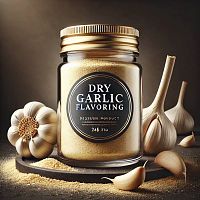






Flavor systems for chips coatings and dry snack blends
Snack flavorings are concentrated flavor compounds designed to deliver a strong taste impression in small dosage. This section includes cheese, sour cream and onion, bacon, barbecue, paprika, caramel and other savory or sweet profiles supplied as dry powders or liquid concentrates for dosing into seasoning blends and coatings.
These flavor systems work in a wide range of formats beyond a single snack type. Manufacturers use them for extruded and fried snacks, seasoning mixes for nuts and crackers, coated dragees, glazes and flavored sugar blends, as well as in confectionery fillings where a stable aromatic profile is needed after baking or frying. Because the compounds are formulated to hold their character under heat and during storage, they suit both small batch production and continuous processing lines. For teams also working with powder based flavor systems in other product categories, the powder flavor additives range offers related dry format options with broader taste profiles.
Profile categories and how they differ
Within this range, profiles split into a few broad families rather than a single flavor logic. Cheese, sour cream and onion, and bacon profiles rely on savory, dairy or roasted meat character and tend to carry a rounder, lingering aftertaste. Barbecue and paprika profiles lean on smoky, spiced or slightly sweet-hot notes, often built to survive high frying or baking temperatures without turning bitter. Caramel and other sweet profiles sit apart, working through toasted sugar and buttery notes rather than salt or spice, which makes them suited to coated pieces and glazed formats rather than savory extrusions.
Powder and liquid concentrate formats differ mainly in how they behave during dosing. Powders disperse evenly through dry seasoning blends and cling well to oil-coated surfaces, which is useful for tumbled or drum-coated products. Liquid concentrates blend faster into fat phases, syrups and glaze bases, giving a more uniform aromatic layer in products where a powder would clump or settle unevenly.
Choosing a profile and building a blend
Selection usually starts with the base product rather than the flavor name alone. A fried or extruded snack with a neutral starch base can carry a bolder, more concentrated profile, while a delicate baked cracker or dragee coating needs a lighter dosage to avoid masking the underlying texture and aroma. Heat stability matters as much as taste character: a compound meant for post-frying dusting behaves differently under sustained oven heat than one designed for a cold glaze.
In practice, these flavor systems are rarely used alone. Savory profiles are frequently paired with salt blends, acid regulators and color systems to balance intensity and visual appeal, while sweet profiles combine with sugar coatings, binding syrups or confectionery fillings to build a layered taste. Building a working blend usually means testing a flavor compound alongside a carrier base to confirm how it holds up once the finished product cools or sits in packaging for several weeks.
Storage and shelf handling
Both powder and liquid formats should be kept in sealed original packaging, away from direct heat and light, since aromatic compounds degrade faster once exposed to air or elevated temperatures. Liquid concentrates in particular benefit from a stable, cool storage area to avoid separation or loss of top notes over time. Rotating stock and keeping opened containers tightly closed between production runs helps maintain a consistent flavor profile from batch to batch, which matters most for manufacturers running continuous lines rather than occasional trial batches.
FAQ
What is the difference between powder and liquid snack flavorings
Powder flavorings are carried on a dry base and blend directly into seasoning mixes, giving even coverage on coated or dusted products. Liquid concentrates dissolve into oils or syrups and suit spraying or tumbling applications where a wet carrier helps the flavor adhere before drying or baking.
How much snack flavoring should be used in a seasoning blend
Dosage depends on the flavor strength and the base recipe, typically ranging from a small percentage up to several percent of the total blend weight. Start with a low dosage in a test batch, taste after processing, and adjust gradually since heat and salt content can shift perceived intensity.
Can these flavor systems be combined with each other
Yes, many profiles are designed to be layered, such as pairing a cheese base with a paprika or barbecue note to build a more complex taste. Combining flavors works best when tested in small trial batches first, since interactions between profiles are not always predictable at full scale.
How should snack flavoring powders and concentrates be stored
Keep containers sealed, away from direct heat, moisture and strong light to protect the aromatic compounds from degrading over time. Powders are generally more stable during storage than liquid concentrates, which benefit from cool conditions and quick use once opened.
Recommendations
Choosing the right flavor system starts with matching the carrier format, powder or liquid, to your production line and the base product you are coating or seasoning. Request a small sample batch before committing to a full order, since taste intensity can shift once heat, salt or fat content are factored in. For larger production runs, confirm consistency across batches by testing more than one lot. Reach out by email with your target profile and dosage range, and we will help you match it to an available option.



