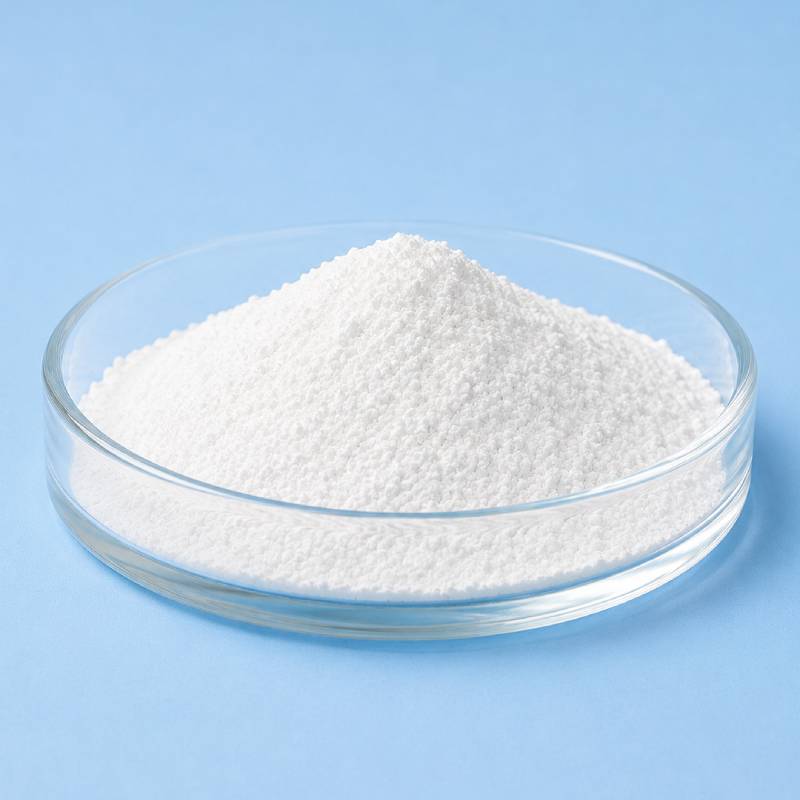
Alpha-Arbutin for precision tone care serums emulsions and targeted cosmetic products
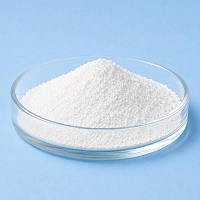
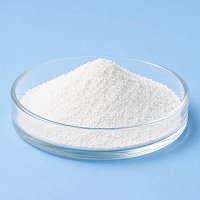
Alpha-Arbutin, INCI Alpha-Arbutin, is a specialized cosmetic active used in formulations developed for a more even-looking skin tone and refined visual appearance. It is suitable for professionally designed water serums, gel concentrates, lightweight emulsions, facial creams and targeted cosmetic formats. The ingredient is most useful when it is treated as one functional element of a complete formulation rather than as a stand-alone solution. Finished product performance depends on concentration, formula stability, supporting ingredients, packaging, application pattern and the wider skin care routine.
Alpha-Arbutin should also be identified correctly at the raw material stage. Similar names within the arbutin category do not make different materials automatically interchangeable. A formulator replacing one raw material with another should review documentation, recalculate the formula where required and repeat relevant stability work.
Creating a focused serum concept
A modern serum does not need a very long ingredient list. From a formulation perspective, a concise system can be easier to control and easier to explain to the end user.
Alpha-Arbutin can be combined with selected humectants and supportive cosmetic ingredients. Betaine can contribute to the aqueous phase design. Panthenol can be incorporated into appropriate daily care concepts. Sodium hyaluronate can help create a distinctive gel profile, while niacinamide is often considered for multi-active tone care products.
Every additional material changes the formulation environment. A product containing several vitamins, multiple acids, botanical extracts and commercial complexes requires more compatibility work than a focused formula with a smaller number of carefully selected ingredients.
Water serum architecture
A water serum is built from more than water and an active. The formulator must consider viscosity, preservation, chelation, pH control and package delivery.
The rheology system should be selected after reviewing the electrolyte load of the complete formula. Some polymers lose viscosity when the concentration of dissolved materials increases.
Cellulose-derived thickeners can be useful for certain serum concepts. Carbomer systems offer another approach but require correct dispersion and neutralization. Sodium hyaluronate may contribute to texture, but its behavior varies with molecular weight and raw material specification.
The most suitable system is the one that remains stable with the complete ingredient composition.
Lightweight emulsion development
Alpha-Arbutin can also be incorporated into oil in water creams and fluid emulsions. In these products, the active belongs to the aqueous part of the formulation architecture, while the emulsion itself is built by a separate emulsifying system.
A lightweight facial fluid may contain squalane, jojoba oil or selected fluid emollients. A cream can use a more structured lipid phase.
The emulsifier should be chosen for the oil phase and target texture. Alpha-Arbutin does not stabilize the oil droplets and should never be presented as an emulsifying ingredient.
When a hot process is required for emulsion formation, Alpha-Arbutin can be incorporated through a suitable cool-down procedure based on the technical documentation for the actual raw material.
Combining Alpha-Arbutin with niacinamide
Niacinamide and Alpha-Arbutin are often selected for the same product category. From a manufacturing perspective, the main priorities are complete dissolution, compatible processing and final pH control.
The formulator should avoid creating a crowded formula simply because multiple active ingredients are popular. A focused serum with a clear formulation strategy can be more practical to manufacture and evaluate.
When both materials are used, the product should be tested as a complete system. Raw material information is useful for development, but it does not replace finished formula stability assessment.
Botanical ingredient strategy
Botanical extracts can support different product concepts, but the supplied form of the extract matters. A dry extract powder behaves differently from a glycerin-based extract or a water-glycol solution.
The complete INCI of a commercial extract should be reviewed before formulation. Carrier solvents and preservation materials contained in the extract become part of the final product composition.
A preservative included in a botanical extract is intended to maintain that supplied raw material. It should not be assumed to preserve the entire finished serum.
This distinction is especially important for small manufacturers working with several ready-made botanical complexes.
Targeted cosmetic formats
A targeted gel can be developed with a different rheology profile from a full-face serum. The packaging may use a narrow pump or another controlled dispensing system.
A facial emulsion can be designed for broader daily application. A body lotion requires another development approach because application area, texture expectations and category requirements differ.
These products should have independent formulas. Diluting a facial serum and relabeling it as a body product is not a professional range development strategy.
Designing a coordinated product range
Alpha-Arbutin can support a complete cosmetic range while allowing each product to have a distinct purpose and sensory profile.
A morning fluid can use a lightweight emulsion base. An evening serum can be a simple aqueous gel. A targeted cosmetic product can use a controlled dispenser and a more localized application format.
The formulas should not be identical translations of one base into different packages. Each format should be developed around its real use pattern.
Packaging design is part of the process. A low-viscosity serum may require a different pump from a dense gel. The dispenser should be tested after the formula has reached its final equilibrium viscosity.
Manufacturing considerations
Accurate weighing is essential. Alpha-Arbutin is a professional formulation ingredient, so approximate household volume measurement is not suitable for controlled product development.
When preparing a premix, the water used for dissolution must be included in the total batch calculation. Otherwise, the actual active concentration and total batch mass will differ from the formula.
The active should be fully dissolved before incorporation. The finished product should then be monitored for crystallization or precipitation during stability evaluation.
If pH adjustment is needed, it should be performed gradually using a prepared adjustment solution. Final measurement is taken after complete mixing and at a controlled sample temperature.
Interaction with fragrance and product positioning
Facial active serums are often developed without fragrance, but fragrance can be used in suitable cosmetic formats where the overall concept supports it. The choice should be based on product design and compatibility rather than habit.
A strong fragrance can dominate the sensory profile of a lightweight facial serum. For a minimalist active product, a fragrance-free direction may offer a more coherent presentation.
Product communication should focus on cosmetic appearance and tone care rather than unsupported promises. Alpha-Arbutin can be presented through its genuine role in tone-focused cosmetic formulation.
Alpha-Arbutin gel essence with cucumber hydrosol 1000 g
Purified water 844 g
Cucumber hydrosol 60 ml
Alpha-Arbutin 20 g
Betaine 25 g
Glycerin 15 g
Panthenol 10 g
Hydroxyethylcellulose 7 g
Sodium hyaluronate 2 g
Water-soluble green tea extract 8 g
Sodium phytate 1 g
Preservative 7 g
Prepared citric acid solution 1 g
Total batch weight: 1000 g
Reserve part of the purified water for dissolving Alpha-Arbutin and hydrating sodium hyaluronate. Add the remaining purified water and cucumber hydrosol to the main manufacturing vessel.
Premix hydroxyethylcellulose with glycerin until the polymer is evenly wetted. Introduce this dispersion gradually into the main water phase with suitable mixing. Allow sufficient time for complete hydration.
Dissolve Alpha-Arbutin in the reserved water portion. Confirm that the solution is uniform before adding it gradually to the hydrated serum base.
Add betaine and panthenol with moderate mixing. Prepare sodium hyaluronate separately according to the hydration requirements of the specific grade and incorporate it after a uniform gel has formed.
Add the water-soluble green tea extract and sodium phytate. Mix until the batch is uniform. Introduce the preservative according to the processing requirements of the selected preservation system.
Measure final pH. Use the prepared citric acid solution only if an adjustment is required. Add it gradually, mix thoroughly and repeat the measurement.
Allow the finished essence to rest before filling. Recheck viscosity, homogeneity, pH and any signs of crystallization. Test the formula with the intended dispensing package before approving the production run.
Scale-up and process reproducibility
A formula prepared in a small laboratory vessel may require process adjustments when moved to larger equipment. Polymer hydration time, mixing efficiency and deaeration can change with batch size.
The production record should define the order of addition, mixing duration and relevant temperature limits. These details are important for batch consistency.
If the product contains several water-soluble actives, the manufacturer should avoid adding all powders at once. Sequential dissolution reduces the risk of incomplete hydration and local concentration zones.
Finished product evaluation
Quality control for an Alpha-Arbutin serum should include pH, viscosity, homogeneity, odor and visual stability. The formula should be observed for precipitation and crystallization.
Packaging compatibility is also important. The final viscosity must work with the selected pump, and the package materials should be assessed during the product development program.
Preservation belongs to the complete formula. Hydrosols, botanical extracts and water-based commercial complexes can change the preservation challenge and should be included in finished product assessment.
Alpha-Arbutin is a valuable ingredient for focused tone care formulation when it is used with accurate calculation, controlled processing and realistic product communication. Water serums, gel essences, fluid emulsions and targeted cosmetic formats can all be developed around the active, provided each product is treated as an independent formulation project with its own stability, preservation and packaging requirements.