-
 Absolutes
-
 Active Complexes
-
 Actives & Peptides
-
 Amino Acids & Proteins
-
 Food Flavors
-
 Ayurvedic Ingredients & Herbs
-
 Vitamins & Coenzymes
-
 Chocolate Making Supplies
-
 Thickeners & Gelling Agents
-
 Hydrosols & Floral Waters
-
 Hydrolyzed Proteins
-
 Fragrance Ingredients
-
 Nutraceutical Ingredients
-
 Acids, Salts, Alcohols & Alkalis
-
 Preservatives & Antioxidants
-
 Cosmetic Ingredients
-
 Colorants, Micas & Glitters
-
 Masks, Scrubs & Botanicals
-
 Oils & Butters
-
 Candle Making Supplies
-
 Melt and Pour Soap Bases
-
 Cream, Lotion & Hair Care Bases
-
 Fragrance Oils & Industrial Aromatics
-
 Cleansing Agents & Surfactants
-
 Peeling Actives & Acids
-
 Cosmetic Powders
-
 Solvents & Humectants
-
 Silicones & Conditioning Agents
-
 Bottles, Jars & Vials
-
 Silicone & Plastic Molds, Tools
-
 Botanical Extracts
-
 Cosmetic Emollients
-
 Emulsifiers
-
 Essential Oils
- Anti-Aging & Fine Lines 645
- Hair & Scalp Treatments 420
- Body Contouring & Slimming Actives 95
- Mineral Skincare 60
- Vegan Cosmetic Actives 205
- Hyaluronic Acid (HA) 56
- Skin Lightening & Depigmentation Actives 160
- Skin Barrier & Repair Actives 439
- Lifting Systems 124
- Myorelaxants 48
- Body Shaping Actives 84
- Peptides for Cosmetics 294
- Polynucleotides (PDRN) 97
- Anti Inflammatory And Anti Acne Actives 231
- Moisturizing Actives 512
- Skin Firmness and Tone Actives 329
- Actives For Eye Contour Care 160
- Actives for Sensitive Skin 246
- Exosomes 61
- Cosmetic Actives Wholesale 2834
- Peptides Wholesale 549


Hair & Scalp Treatments
 Add to cart



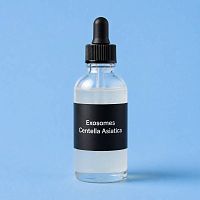
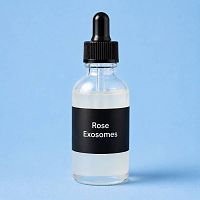
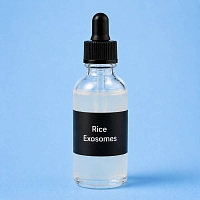
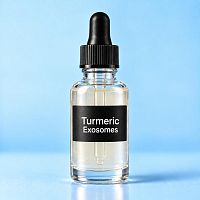
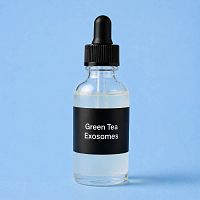
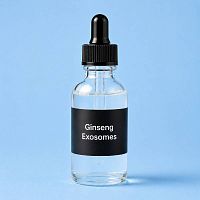







Functional actives for scalp and strand focused formulas
This section brings together active ingredients formulated specifically for hair and scalp applications, including peptide complexes, botanical extracts, keratin-supporting compounds and lightweight conditioning actives. Each ingredient is selected for a defined function, whether that is supporting the look of strand density, calming the scalp, adding shine or improving how a formula feels on wet hair. The range suits both small-batch cosmetic makers and larger production lines building out a hair care line.
These actives are formulated into shampoos, conditioners, leave-in sprays, scalp serums, hair masks and pre-wash treatments, where dosing typically ranges from fractions of a percent to a few percent depending on the compound. Many of the same molecules used here also appear in broader peptides for cosmetics formulations, since scalp and skin barrier chemistry often overlap. For makers building multiple product lines at once, browsing the wider cosmetic actives wholesale range alongside this category can help identify actives that cross over between hair, face and body formulas without duplicating stock.
Categories within this range and how they differ
Some actives here are single, well-defined molecules, while others are blended complexes built for a specific outcome. Zinc Pyrithione 10 g and Ketoconazole 5 g are examples of the first type, targeted compounds used at low percentages to address scalp balance in leave-on and rinse-off formulas. Blended options such as the Hair Loss Treatment Complex, available in both 10 g and 100 g, combine several actives into one dosing step, which suits makers who want a ready building block rather than assembling several raw materials themselves.
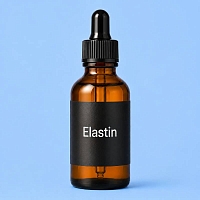
Protein and amino acid derived ingredients form another distinct group. Hydrolysed Keratin 10 ml and Keratin'protect 5 ml both support the look and feel of the hair fiber, but differ in how they are typically dosed and where they sit in a formula, one closer to a treatment step, the other more suited to leave-in or styling bases. Elastin 25 ml works on a similar principle, contributing to how a formula feels on application rather than acting as a scalp-targeted active.
Choosing a compound and building a formula around it
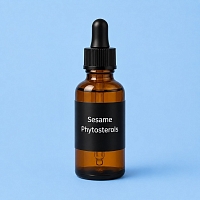
Selection usually starts with the function you need: calming and balancing the scalp, supporting the appearance of strand density, or improving slip and softness in the finished product. Phyllanthus Emblica 5 g and Sesame Phytosterols 10 g are both botanical-derived ingredients that can serve several roles across a formula, from conditioning to supporting the skin barrier on the scalp, so they are rarely limited to one single product type.
Peptide actives such as SH-Oligopeptide-1 0.5 g are typically used at very low inclusion rates and are often paired with humectants like Sodium lactate 60% 50 g to help balance texture and moisture retention in the final formula. Because many of these actives share chemistry with skin-focused ingredients, it is common for formulators to check the broader Peptides Wholesale range when building a full product line rather than sourcing hair and face actives separately.
Origin, storage and sourcing notes
Ingredients in this range originate from a mix of countries, including France, Germany, India, China, the United States, Italy, Spain and Ukraine, reflecting the fact that peptide synthesis, botanical extraction and mineral-derived actives each tend to come from different specialized production regions.
Most actives in this category are moisture-sensitive and should be stored in tightly closed containers away from direct heat and light to preserve stability between batches. Smaller pack sizes, such as the 5 g and 10 g formats seen across several of these actives, are useful for testing a new formula before committing to a larger production run, while larger sizes like the 100 g complex suit established production lines with steady throughput.
FAQ
What actives are typically included in hair and scalp formulas
Common choices include peptide complexes for strand density support, botanical extracts for scalp comfort, keratin-supporting compounds and lightweight conditioning agents for shine and slip. Selection depends on whether the target formula is a shampoo, scalp serum, leave-in treatment or conditioning mask.
How much active ingredient should be used in a scalp serum or shampoo
Dosing varies by compound, typically ranging from a fraction of a percent up to a few percent of total formula weight. Peptide complexes are usually used at lower concentrations than botanical extracts, so checking supplier guidance for each ingredient before scaling a batch is recommended.
Can the same actives be used in both scalp and facial skincare formulas
Yes, many actives in this category overlap with broader skin barrier chemistry, since scalp tissue shares functional similarities with facial skin. This makes it practical to source certain peptides and conditioning compounds for multiple product lines rather than stocking separate versions for hair and face.
What is the difference between peptide complexes and botanical extracts for hair care
Peptide complexes are typically formulated to support strand density and scalp condition through targeted molecular activity, while botanical extracts contribute soothing, conditioning or shine-enhancing properties drawn from plant sources. Formulators often combine both types to address multiple concerns in one product.
How should hair care actives be stored before use in production
Most actives in this category are sensitive to heat, light and prolonged air exposure, so cool, dry storage away from direct sunlight is standard practice. Resealing containers tightly after each use helps preserve potency, particularly for peptide-based ingredients used across several production batches.
Recommendations
Choosing the right active for a scalp or hair formula starts with the finished product type. Serums and leave-in treatments generally call for lightweight, high-clarity actives that will not weigh down strands, while richer masks and conditioners can carry heavier conditioning compounds. Check the intended dosing range for each ingredient before committing to a full batch size, and consider requesting a small trial quantity first if you are formulating a new product line. For questions about a specific active, current stock or building a custom order across multiple hair care ingredients, reach out by email and our team will help match the right compound to your formula.





