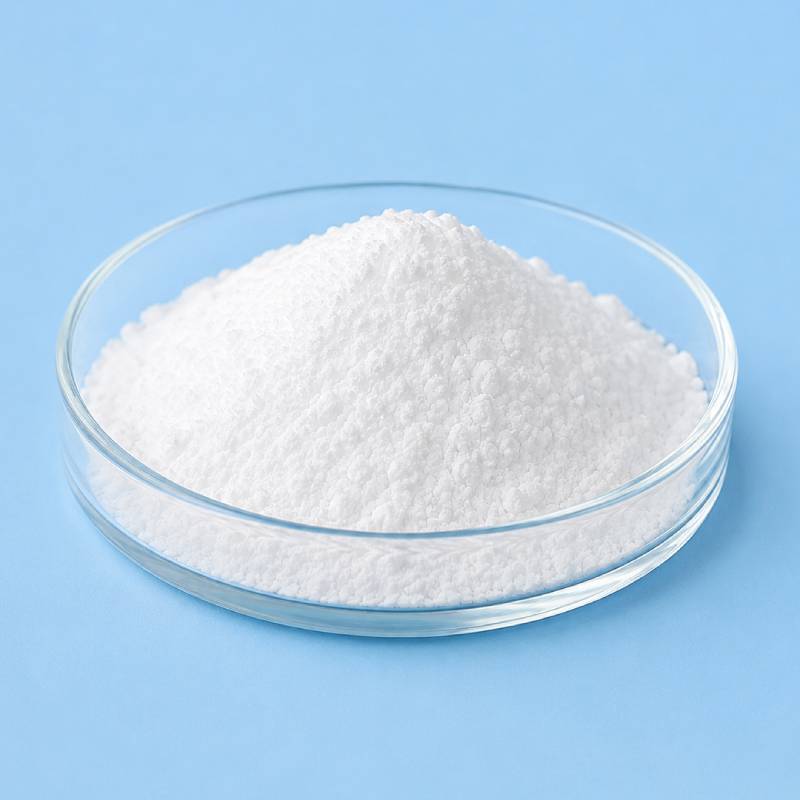
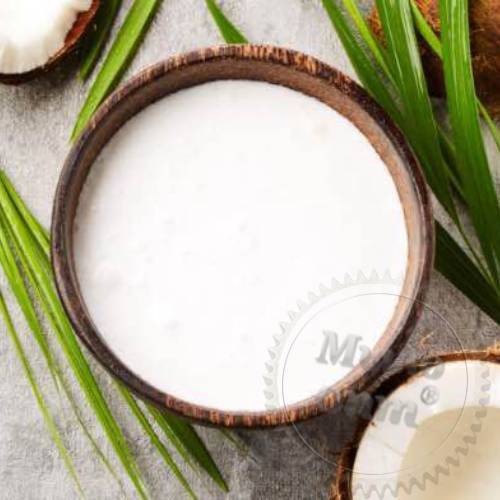
Lait de coco BIO for modern coconut beauty and wellness products
Lait de coco BIO is a botanical cosmetic active for the development of contemporary skin care, body care, hair care, dry powder cosmetics, and professional wellness products. Its coconut identity offers broad formulation possibilities beyond traditional coconut oil concepts and can be adapted to multiple product textures and application formats.
The ingredient is suitable for serums, creams, fluid emulsions, masks, lotions, shampoos, conditioning treatments, powder blends, and professional SPA preparations. It can serve as the central botanical theme of a complete collection or become one element within a more complex system of humectants, proteins, amino acids, and plant-derived extracts.
Lait de coco BIO is particularly relevant for tropical beauty, botanical wellness, modern self-care, and sensory cosmetic concepts. Different supporting ingredients and textures allow formulators to create very different product identities around the same coconut-based active.
Lightweight serum concepts
Lait de coco BIO can be incorporated into lightweight serum and gel concepts where a botanical identity is required without relying on a heavy oil phase.
Potential formulation partners include Glycerin, Betaine, Hyaluronic Acid, amino acid complexes, and compatible botanical extracts. The complete active load should be evaluated carefully because the interaction of multiple ingredients may influence viscosity and sensory properties.
Gel products require compatibility testing with the selected rheology system. A thickener that performs well in a simple base may behave differently after the complete active system is introduced.
For contemporary skin care collections, coconut-inspired formulas can also be combined with fermentation-derived ingredients and selected botanical complexes to create a more sophisticated concept than a conventional tropical product.
Creams and fluid emulsions
The active can be considered for facial creams, fluid emulsions, lotions, and creamy mask products. The final sensory character can be adjusted through the selection of the lipid phase.
Lightweight formulas may combine the active with Squalane, Jojoba Oil, Grape Seed Oil, and dry-feel emollients. Richer creams can incorporate Almond Oil, botanical butters, and other compatible lipid materials.
A coconut theme can be developed in different directions. Fresh summer collections may use pineapple, mango, lime, or green tropical accords, while warmer concepts may combine coconut with vanilla, cocoa, or coffee-inspired notes.
Compatibility with the complete emulsification, thickening, and preservation system should be evaluated before production scale-up.
Body care collections
Lait de coco BIO can be used in body creams, lotions, masks, after-shower products, and professional SPA formulas.
A coordinated coconut collection may include products with completely different textures while maintaining one central ingredient story. For example, a range may contain a lightweight body lotion, rich cream, dry powder mask, and professional treatment product.
The active may be combined with humectants and compatible lipid ingredients according to the desired product texture.
For professional wellness programs, formulators can create sequential treatments in which the coconut concept appears at several stages of the ritual.
Hair care development
Lait de coco BIO offers formulation opportunities for shampoos, creamy hair masks, conditioning products, and treatments designed for hair lengths.
In rinse-off masks, the active may be combined with hydrolyzed plant proteins, amino acid complexes, and suitable conditioning ingredients.
For shampoo development, the complete cleansing system should be evaluated after incorporation of the active. Important parameters include viscosity, visual uniformity, foam behavior, and storage stability.
Dry hair mask powders represent another interesting category. These products can combine Lait de coco BIO with selected botanical powders and extract powders, while water is added shortly before application.
This format is particularly suitable for brands developing concentrated powder products and water-activated cosmetic concepts.
Professional SPA applications
Lait de coco BIO can become the central botanical element of a professional SPA collection. It may be incorporated into powder masks, creamy preparations, and selected treatment formulas.
The coconut concept pairs naturally with tropical fruit, vanilla, cocoa, coffee-inspired, and soft woody aromatic directions. The final fragrance identity should be selected according to the positioning of the complete collection.
Professional products should also be designed around practical application. Powder blends should hydrate evenly, creamy products should spread consistently, and every formula should be evaluated for the intended treatment protocol.
Formulation combinations
Lait de coco BIO can be combined with Betaine, Glycerin, Hyaluronic Acid, amino acids, hydrolyzed proteins, and compatible botanical extracts.
For emulsions, potential lipid partners include Squalane, Jojoba Oil, Almond Oil, Grape Seed Oil, and lightweight emollients.
For powder cosmetics, the ingredient can be blended with Rice Powder, Oat Powder, Kaolin, fruit fibers, and botanical extract powders.
In hair care, protein and amino acid systems offer additional opportunities for developing multi-component coconut-inspired products.
How to incorporate Lait de coco BIO
In dry products, blend the active thoroughly with the remaining powder ingredients. Materials used at lower levels can first be premixed separately before being incorporated into the main powder base.
For aqueous systems, the incorporation procedure should be selected after testing the ingredient in the specific formulation base.
For emulsions, follow the processing requirements of the selected emulsification system and evaluate the final product after complete cooling and equilibration.
Before scale-up, assess appearance, odor, uniformity, viscosity, and storage stability of the complete formulation.
Example tropical coconut powder mask
Lait de coco BIO 180 g
Rice Powder 250 g
Kaolin 220 g
Oat Powder 150 g
Pear Fiber 70 g
Pineapple Extract Powder 50 g
Betaine Powder 40 g
Vanilla Extract Powder 25 g
Dry Coconut Flavor 15 g
Total Batch Weight 1000 g
Combine Rice Powder, Kaolin, and Oat Powder in a clean, dry vessel.
In a separate container, blend Lait de coco BIO with Pear Fiber, Pineapple Extract Powder, Betaine Powder, Vanilla Extract Powder, and Dry Coconut Flavor.
Gradually introduce the active premix into the main powder base while mixing continuously. Continue blending until all materials are distributed uniformly.
Before application, mix a portion of the powder with water until a smooth creamy consistency is obtained. Adjust the amount of liquid according to the absorbency and hydration characteristics of the selected raw materials.
Lait de coco BIO provides a versatile foundation for modern coconut beauty concepts across facial care, body care, hair care, powder cosmetics, and professional SPA products. Its broad formulation potential allows developers to build complete product collections while adapting the same botanical concept to different textures and consumer routines.