A comprehensive technical formulation guide dedicated to managing rheology in cosmetics using the natural polysaccharide AMIGEL (Sclerotium Gum). This article explores the physical mechanisms of polymer hydration and network formation for structuring clear gels, light emulsions, and particle-suspending fluids. It covers pre-dispersion in polyols, electrolyte stability, shear rate handling, incompatibility limits, thermal limits, and precise pH controls. Features three complete DIY recipes with step-by-step compounding instructions and cold storage standards.
A comprehensive technical formulation guide dedicated to utilizing the bio-based film former Natpure Film AP (derived from sugar cane) in color cosmetics and hair care. This article breaks down the physical mechanics of flexible film creation, moisture resistance, and pigment adhesion enhancement. It covers aqueous dissolution protocols, compatibility with natural polymers and gums, thermal boundaries, and precise pH controls. Features three complete DIY recipes with step-by-step compounding instructions and storage standards.
A comprehensive technical formulation guide to designing skin barrier restoration creams and liposomal fluids using ViableCare LipoCare 8. This article breaks down the physiological mechanism of ceramide integration into stratum corneum lipids to stop transepidermal water loss. It details exact processing protocols to protect liposomal structures, low-shear cooling phase entry below thirty degrees Celsius, emulsifier compatibility, and pH boundaries. Features three complete DIY recipes with step-by-step compounding instructions and cold storage standards.
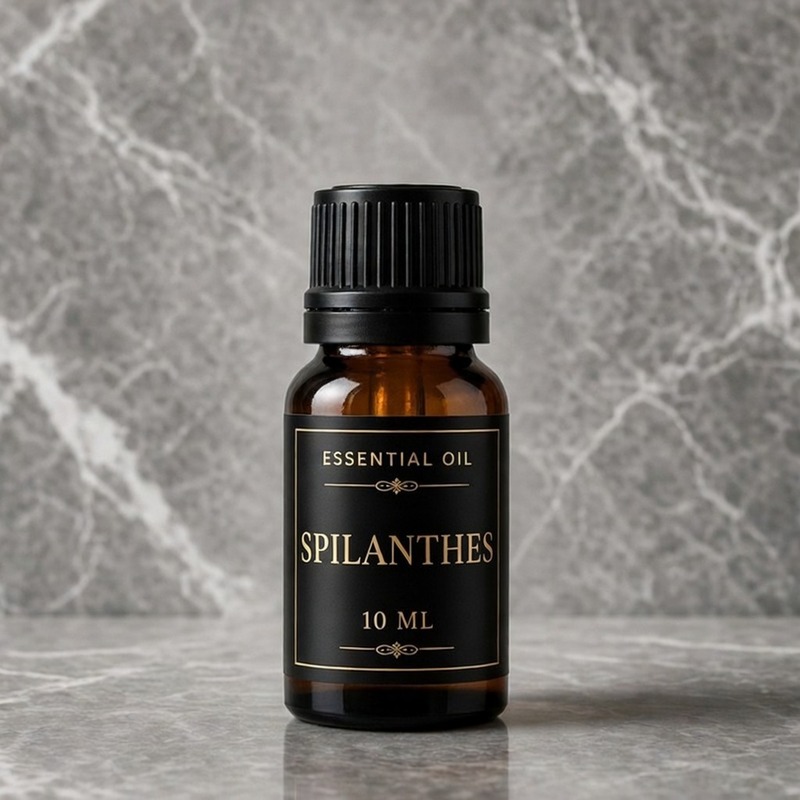
Acmella oleracea Essential Oil: Nature's Botox Alternative for Smooth Skin
Introducing Acmella oleracea Essential Oil, a remarkable botanical extract derived from the vibrant Acmella oleracea plant, also known as the "toothache plant" or "Paracress." This unique essential oil is gaining significant attention in the cosmetic industry for its natural ability to reduce the appearance of wrinkles and fine lines, offering a plant-based alternative to synthetic muscle relaxants. Its key active compound, spilanthol, works by gently relaxing facial muscles, leading to a smoother, more youthful complexion. This potent oil is a valuable addition to advanced skincare formulations targeting anti-aging and skin firming.
Versatile Applications and Areas of Use in Cosmetics:
Acmella oleracea Essential Oil's unique muscle-relaxing and skin-smoothing properties make it a sought-after ingredient in various cosmetic applications:
Anti-Aging Serums and Creams: Incorporate into facial serums, eye creams, and neck creams to target expression lines, crow's feet, and forehead wrinkles. Its gentle muscle-relaxing effect can visibly reduce their appearance over time.
Facial Toners and Mists: Add in low concentrations to facial toners and mists for a subtle skin-smoothing effect and a refreshing sensation.
Lip Plumping Products: Its mild tingling sensation can contribute to a temporary plumping effect in lip balms and serums, enhancing lip volume and definition.
Massage Oils for Facial Tension: Blend with carrier oils for targeted facial massage to help release tension in facial muscles, contributing to a more relaxed and youthful appearance.
Post-Procedure Skincare: Due to its soothing properties, it can be included in formulations designed to calm and comfort skin after non-invasive cosmetic procedures.
Natural Alternatives to Synthetic Ingredients: Serves as a plant-derived alternative to certain synthetic muscle relaxants used in anti-aging cosmetics, appealing to consumers seeking natural solutions.
Firming and Lifting Formulations: Include in creams and lotions designed to improve skin firmness and elasticity, complementing its muscle-relaxing effects.
Eye Contour Treatments: Its ability to address fine lines and wrinkles makes it a valuable ingredient in specialized eye contour creams and serums.
Key Advantages for Cosmetic Formulations:
Natural Muscle Relaxant: Contains spilanthol, which gently relaxes facial muscles, reducing the appearance of expression lines.
Visible Anti-Aging Effects: Regular use can lead to smoother, more youthful-looking skin with a reduction in wrinkles and fine lines.
Plant-Based Alternative: Offers a natural alternative to synthetic ingredients for achieving skin-smoothing effects.
Potential Soothing Properties: May help to calm and comfort the skin.
Unique Sensory Experience: Can provide a mild tingling sensation, particularly noticeable in lip plumping products.
Well-Tolerated: Generally considered safe for topical application when used at recommended concentrations.
Worldwide Shipping: Our online store ensures convenient delivery of this innovative ingredient globally.
Cosmetic Recipe: Acmella Smoothing Facial Serum
Ingredient
Quantity (by volume)
Hyaluronic Acid Serum Base
80 ml
Glycerin
10 ml
Acmella oleracea Essential Oil
5 ml
Vitamin C Ester (Ascorbyl Palmitate)
3 ml
Preservative (Broad Spectrum)
2 ml
Instructions:
In a clean glass beaker, gently combine the Hyaluronic Acid Serum Base and Glycerin. Stir until well mixed.
In a separate small container, carefully measure the Acmella oleracea Essential Oil.
Slowly add the Acmella oleracea Essential Oil to the serum base and glycerin mixture, stirring gently but thoroughly to ensure even distribution.
Incorporate the Vitamin C Ester and stir again.
Finally, add the broad-spectrum preservative according to the manufacturer's instructions and mix well.
Carefully transfer the serum into a clean, airtight serum bottle with a dropper or pump.
Application Recommendations:
After cleansing and toning your face, apply a few drops of the Acmella Smoothing Facial Serum to your fingertips.
Gently pat and smooth the serum over your face and neck, focusing on areas with expression lines and wrinkles.
Allow the serum to absorb fully before applying your moisturizer.
Use morning and evening for optimal results.
Start with a low concentration and gradually increase if desired, while observing your skin's reaction. The recommended concentration in finished products typically ranges from 0.5% to 3%.
Store the serum in a cool, dark place away from direct sunlight.
Perform a patch test on a small area of skin before widespread use to check for any potential sensitivity.
Characteristics:
INCI
Acmella Oleracea Essential Oil
Other
Application
Cosmetics — in creams, serums, balms, masks for sensitive and dry skin Aromatherapy — for stress, irritability, relaxation Perfumery — as a floral note in romantic and fresh compositions Spa and body care — in lotions, emulsions, body oils Massage oils — in anti-stress and feminine formulas Room aromatization — in sprays, diffusers, aroma lamps Soap making — in soft caring compositions
Aroma
Subtle, sweetish-floral, with fruity and delicate herbal shades. The aroma is light, romantic, airy, with a soft fresh sound and a natural green base. It goes well with lavender, orange, rose, jasmine, neroli, geranium, sandalwood oils.
Aroma lamp, diffuser: 3–5 drops Face cosmetics: 0.2–0.5 percent Body cosmetics: up to 1 percent Serums and essences: 0.3–0.7 percent Massage oils: 4–6 drops per 10 ml base Baths: 5 drops per salt or emulsifier Perfumery: 1–5 percent Soap and candles: up to 1 percent of the total mass A test for individual sensitivity is recommended before use. Do not apply in pure form to the skin.
Features
All information presented on the site is for reference only
Garden Cosmos essential oil is used in cosmetics, aromatherapy, perfumery, spa care and wellness products. Due to its soft action and pleasant aroma, it is suitable for daily care of sensitive and dry skin. It is used in moisturizing serums, creams, lotions, especially in daytime and anti-stress formulas. In aromatherapy, it helps reduce emotional stress, promotes concentration and gentle recovery. In perfumery, it is a subtle floral heart note, well suited for spring and feminine compositions. It is often used in diffusers, relaxing mixtures, aroma candles and care lines for teenagers and sensitive skin.