-
 Absolutes
-
 Active Complexes
-
 Actives & Peptides
-
 Amino Acids & Proteins
-
 Food Flavors
-
 Ayurvedic Ingredients & Herbs
-
 Vitamins & Coenzymes
-
 Chocolate Making Supplies
-
 Thickeners & Gelling Agents
-
 Hydrosols & Floral Waters
-
 Hydrolyzed Proteins
-
 Fragrance Ingredients
-
 Nutraceutical Ingredients
-
 Acids, Salts, Alcohols & Alkalis
-
 Preservatives & Antioxidants
-
 Cosmetic Ingredients
-
 Colorants, Micas & Glitters
-
 Masks, Scrubs & Botanicals
-
 Oils & Butters
-
 Candle Making Supplies
-
 Melt and Pour Soap Bases
-
 Cream, Lotion & Hair Care Bases
-
 Fragrance Oils & Industrial Aromatics
-
 Cleansing Agents & Surfactants
-
 Peeling Actives & Acids
-
 Cosmetic Powders
-
 Solvents & Humectants
-
 Silicones & Conditioning Agents
-
 Bottles, Jars & Vials
-
 Silicone & Plastic Molds, Tools
-
 Botanical Extracts
-
 Cosmetic Emollients
-
 Emulsifiers
-
 Essential Oils


Candle making supplies Wholesale

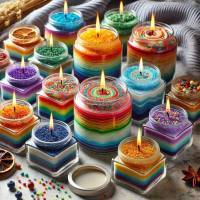



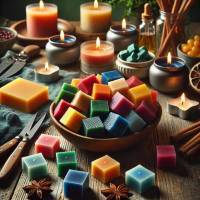
Raw materials behind reliable candle formulas
This section brings together the core components used to build candles at any scale, from wax bases and wick materials to dyes, additives and containers. Buyers here are sourcing the building blocks of a finished candle rather than a single finished product, covering everything needed to formulate, pour and finish a batch consistently.
These materials support container candles, pillar candles, votives, wax melts and decorative pour projects, where consistent melt point, color dispersion and burn quality matter. Formulators working across small workshops and larger production lines rely on the same core inputs, adjusting ratios and additives to match the vessel, scent load and finish they need. For scent development specifically, the Candle Fragrances Oils Wholesale range covers oils formulated for stable throw and even distribution through wax.
Beyond finished formulas, many buyers also need bulk components on their own terms, sourced separately for testing or larger runs. The Raw materials for candles selection groups these inputs together for exactly that kind of sourcing.
Wax types, wicks and finishing components
Not every candle formula starts from the same base. Soy, paraffin and blended waxes behave differently under heat, which affects melt pool depth, scent throw and how cleanly a candle burns down to the edge of the vessel. Choosing the right wax depends on the pour format, whether it is a container candle, a pillar, a votive or a wax melt, since each format asks for a different melting range and hardness.
Wicks are chosen against the wax and the container diameter rather than in isolation, since a mismatched wick will tunnel through wax or produce excess smoke. Additives such as vybar or stearic acid adjust hardness, opacity and mold release, giving formulators room to fine tune a base recipe for a specific pour rather than relying on a single generic mix. For those building or refining a workstation, the Candle making tools Wholesale selection covers the pouring, mixing and finishing equipment that supports consistent batches.
Matching colorants, scent and containers
Color and scent are added into the same wax base but serve different functions: dye blocks or liquid colorants disperse pigment evenly through melted wax, while fragrance oils are formulated to bind into wax and release scent as it burns rather than evaporate too quickly. The Candle Colorants Wholesale range and the broader Candle colorants selection both group pigment options for wax work, from soft pastel tones to deeper saturated shades.
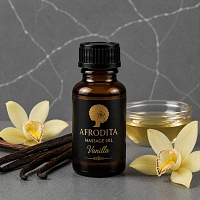
Fragrance choice shapes the character of the finished candle just as much as color does. Warm, food-inspired notes such as the Vanilla Candle Fragrance Oil, 100 ml or the larger Vanilla Candle Fragrance Oil, 1 L sit alongside softer florals like the Chamomile Candle Fragrance Oil, 100 ml and its Chamomile Candle Fragrance Oil, 1 L counterpart, or richer profiles such as the Chocolate Candle Fragrance Oil 100 ml and Chocolate Candle Fragrance Oil, 1 L. Once wax, wick, color and scent are settled, the finished pour still needs a vessel, and the Candle Jars Wholesale range covers containers sized for different pour volumes and finishes.
Sourcing, storage and building a formula from scratch
Materials in this group come from a mix of origins, including Germany, the United States, India, China, Ukraine and Poland, giving buyers options across different price points and specification levels for the same type of component. Wax, additives and fragrance oils should be stored in a cool, dry space away from direct heat and sunlight, since warm storage conditions can soften wax blocks and shorten the shelf life of fragrance oils before they are even poured.
Buyers assembling a full production setup rather than a single item can start from the broader Candle making raw materials category and the dedicated Candle Fragrance Oils selection, pairing wax, wick, additive, colorant and scent choices into one coherent formula rather than sourcing each part from a different supplier.
FAQ
What wax works best for container candles versus pillars
Container candles typically use soy or coconut wax blends with lower melt points for a smooth cold throw, while pillar candles need paraffin or harder wax blends that hold shape without a container and release cleanly from molds after cooling.
How do I choose the correct wick size for a candle
Wick choice depends on wax type, container diameter and fragrance load. A wick too small causes tunneling, while one too large produces excess smoke and soot. Testing a few wick sizes with your specific wax and vessel combination before a full batch is standard practice.
Can dyes and additives be mixed directly into any wax base
Most liquid and dye chip colorants blend into soy, paraffin and coconut wax blends once melted, but dispersion varies by wax density and temperature. Adding color gradually at the recommended melt temperature helps avoid streaking or uneven pigment settling in the finished pour.
How should candle wax and finishing supplies be stored
Wax blocks and additives should be kept in a cool, dry space away from direct sunlight to prevent softening or discoloration. Wicks, containers and dyes are best stored sealed and organized by type to keep production runs consistent from batch to batch.
What causes uneven color or frosting in finished candles
Frosting, a white surface film, is common with natural waxes like soy and relates to cooling speed and ambient temperature rather than a defect. Uneven color usually points to insufficient stirring time or pouring before dye fully dispersed through the melted wax.
Recommendations
Selecting the right wax, wick or additive batch starts with matching melt point and density to your container size and intended finish, since a blend suited for pillars will behave differently in a glass jar. Check consistency between batches if you are scaling up a formula that already works, and confirm wick compatibility with your fragrance load before committing to a full production run. Orders and specific sourcing questions are handled by email, with orders typically assembled within three to five business days.

This section is still empty
You can go back to the catalog page or use the navigation or search on the site.
Home page- Абсолюты
- Активные комплексы
- Активы и пептиды
- Аминокислоты
- Ароматизаторы пищевые
- Аюрведа
- Витамины
- Все для шоколада
- Гелеобразователи и загустители
- Гидролаты
- Гидролизаты протеинов
- Душистые и ароматические вещества
- Ингредиенты для нутрицевтики
- Кислоты, Соли, Спирты, Щелочи
- Консерванты и Антиоксиданты
- Косметические ингредиенты
- Красители, Перламутры и Глиттеры
- Маски для лица, скрабы, сухоцветы
- Масла и баттеры
- Материалы для свечей
- Мыльная основа
- Основа для косметики, крема, сыворотки, шампуня
- Отдушки
- ПАВы, поверхностно-активные вещества
- Пилинги
- Порошки и Пудры
- Растворители и увлажнители
- Силиконы и кондиционирующие ПАВы для волос
- Тара для косметики и парфюмерии
- Формы, упаковка, разное
- Экстракты
- Эмоленты
- Эмульгаторы
- Эфирные масла