-
 Absolutes
-
 Active Complexes
-
 Actives & Peptides
-
 Amino Acids & Proteins
-
 Food Flavors
-
 Ayurvedic Ingredients & Herbs
-
 Vitamins & Coenzymes
-
 Chocolate Making Supplies
-
 Thickeners & Gelling Agents
-
 Hydrosols & Floral Waters
-
 Hydrolyzed Proteins
-
 Fragrance Ingredients
-
 Nutraceutical Ingredients
-
 Acids, Salts, Alcohols & Alkalis
-
 Preservatives & Antioxidants
-
 Cosmetic Ingredients
-
 Colorants, Micas & Glitters
-
 Masks, Scrubs & Botanicals
-
 Oils & Butters
-
 Candle Making Supplies
-
 Melt and Pour Soap Bases
-
 Cream, Lotion & Hair Care Bases
-
 Fragrance Oils & Industrial Aromatics
-
 Cleansing Agents & Surfactants
-
 Peeling Actives & Acids
-
 Cosmetic Powders
-
 Solvents & Humectants
-
 Silicones & Conditioning Agents
-
 Bottles, Jars & Vials
-
 Silicone & Plastic Molds, Tools
-
 Botanical Extracts
-
 Cosmetic Emollients
-
 Emulsifiers
-
 Essential Oils
- Cream Jars Wholesale 463
- Bottles for cosmetics, dispensers wholesale 1470
- Laboratory glassware wholesale 10
- Measuring Equipment Wholesale 12
- Cosmetic Containers Wholesale 1484
- Plastic containers wholesale 16
- Perfume testers wholesale 20
- Glass bottles and jars Wholesale 395
- Perfume Packaging Wholesale 517
- Diffuser bottles and reeds wholesale 25
- Metal perfume atomizers Wholesale 10


Diffuser bottles and reeds wholesale
 Add to cart


 Subscribe


Glass vessels and fiber sticks for scent diffusion projects
This section covers glass bottles designed to hold liquid fragrance blends along with the porous reed sticks that draw the scent upward and release it into a room. Together these two components form the physical base of a reed diffuser, sold here as separate elements so buyers can match vessel shape, neck width and stick material to their own formulations and packaging style.
Bottle geometry affects performance more than most buyers expect. A wide-shouldered bottle with a narrow neck slows evaporation and extends the life of a blend, while a flat or angular vessel with a broader opening pushes scent out faster and suits shorter display cycles. Reed sticks made from rattan pull liquid upward through capillary channels, and stick diameter and porosity determine how strong the throw feels in a given room size.
Buyers producing scented interior accessories, retail diffuser kits or private label home fragrance lines source both parts here, alongside related glass items in our laboratory glassware wholesale range for measuring and blending stages, and container options in cream jars wholesale for adjacent product lines.
Vessel shapes and stick materials
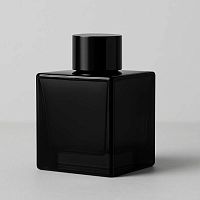
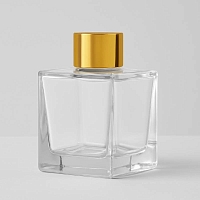
Vessels in this range vary mainly by neck width, shoulder shape and overall capacity, which together shape how a blend behaves once poured. A bottle with a slim neck restricts airflow and works well for lighter blends meant to last several months, while a wider mouth suits thicker or more heavily loaded formulations that need a stronger initial push. Round vessels such as the Bottle for Nika diffuser 125 ml from 100 pcs or, for smaller test batches, the Bottle for Nika diffuser 125 ml from 10 pcs favor an even, steady release, whereas taller silhouettes like the Dionis diffuser bottle 160 ml from 100 pcs or the smaller-batch Dionis diffuser bottle 160 ml from 10 pcs give more surface exposure and a faster throw. Reed sticks themselves differ by thickness and internal structure, with denser rattan slowing uptake and thinner reeds accelerating it, so pairing stick type with vessel shape lets a producer fine-tune intensity without changing the underlying blend.
Matching bottle, sticks and formulation
Choosing between these components starts with the intended scent strength and display duration rather than appearance alone. A formulation with a high concentration of aromatic compounds and carrier oils generally performs better in a narrow-neck bottle with fewer, thicker reeds, which slows evaporation and prevents the room from being overwhelmed early on. Lighter, more volatile blends benefit from wider openings and a larger reed count to maintain a noticeable presence over time. Because this glass is neutral and chemically stable, the same vessels support far more than finished diffuser liquids: perfumers and formulators also use them for storing test batches of fragrance oils, decanting solvent blends, or holding intermediate mixtures during small-scale compounding, which is why many buyers pair this range with our Measuring Equipment Wholesale selection for accurate dosing during blending stages.
Sourcing, storage and adjacent packaging
The glass vessels in this section are sourced from Poland, giving consistent wall thickness and neck tolerances that matter when reed sticks need to sit snugly without wobbling or letting excess liquid evaporate around the opening. Store empty bottles upright in their original packaging away from direct impact, since thin-walled glass is more prone to chipping at the neck than heavier jars. For buyers building a broader home fragrance or gifting line, this range works alongside our Cosmetic Containers Wholesale and Plastic containers wholesale categories for companion products, plus the wider Glass bottles and jars Wholesale catalog for matching packaging across an entire product range.
FAQ
What is the difference between rattan reed sticks and synthetic fiber sticks?
Rattan sticks have natural capillary channels that draw liquid upward at a moderate, steady pace and work well with oil-based blends. Synthetic fiber sticks are more porous and uniform, producing a stronger scent throw, and they tolerate thinner or alcohol-based formulations more evenly than natural rattan.
How many reed sticks should be used per diffuser bottle?
The right number depends on bottle neck width and desired scent intensity. Narrow necks typically hold six to eight sticks for a balanced throw, while wider openings can support ten or more. Testing a small batch first helps match stick count to the room size and blend strength intended.
Does bottle shape affect how long a fragrance blend lasts?
Yes. A bottle with a narrow neck and wider body slows evaporation and extends the blend's lifespan, while an open, wide-mouthed vessel releases scent faster and empties sooner. Choosing the shape based on intended display duration helps control replacement frequency for retail or interior projects.
Can these glass bottles be reused with a different fragrance blend?
Glass bottles can be reused after thorough cleaning and complete drying, though residual oils may slightly affect a new blend's clarity of scent. For private label lines or repeated retail cycles, many producers prefer fresh bottles to keep each batch's presentation and throw consistent.
Recommendations
When selecting bottles and reed sticks for a diffuser line, start with the neck width and shoulder shape that match your target scent throw and shelf life, then choose stick diameter and material to complement the blend's viscosity. Ordering a small trial batch before a full production run helps confirm how vessel and stick pairing performs in real conditions. Reach out by email with your project details to discuss available shapes, stick options and order volumes.



