-
 Absolutes
-
 Active Complexes
-
 Actives & Peptides
-
 Amino Acids & Proteins
-
 Food Flavors
-
 Ayurvedic Ingredients & Herbs
-
 Vitamins & Coenzymes
-
 Chocolate Making Supplies
-
 Thickeners & Gelling Agents
-
 Hydrosols & Floral Waters
-
 Hydrolyzed Proteins
-
 Fragrance Ingredients
-
 Nutraceutical Ingredients
-
 Acids, Salts, Alcohols & Alkalis
-
 Preservatives & Antioxidants
-
 Cosmetic Ingredients
-
 Colorants, Micas & Glitters
-
 Masks, Scrubs & Botanicals
-
 Oils & Butters
-
 Candle Making Supplies
-
 Melt and Pour Soap Bases
-
 Cream, Lotion & Hair Care Bases
-
 Fragrance Oils & Industrial Aromatics
-
 Cleansing Agents & Surfactants
-
 Peeling Actives & Acids
-
 Cosmetic Powders
-
 Solvents & Humectants
-
 Silicones & Conditioning Agents
-
 Bottles, Jars & Vials
-
 Silicone & Plastic Molds, Tools
-
 Botanical Extracts
-
 Cosmetic Emollients
-
 Emulsifiers
-
 Essential Oils
- Cosmetic Jars 391
- Bottles for cosmetics, dispensers, sprayers 863
- Laboratory glassware 22
- Measuring laboratory 23
- Plastic Packaging 878
- Plastic containers 19
- Perfume testers 36
- Glass Packaging, Bottles, and Jars 276
- Perfume Packaging 339
- Diffuser Bottles & Sticks 24
- Metal perfume atomizers 10
- Wholesale Jars, Bottles and Packaging Containers 2327
- Plastic Containers Large Wholesale 49


Glass Packaging, Bottles, and Jars

 Add to cart
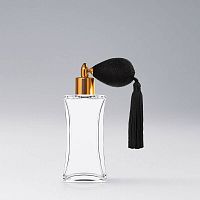
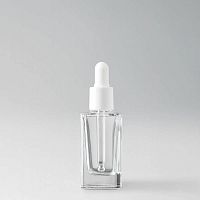
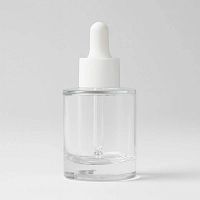
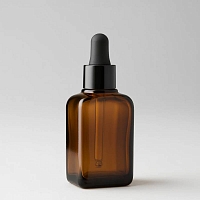
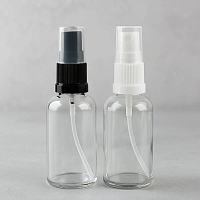
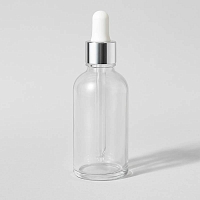
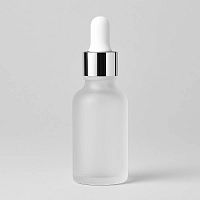
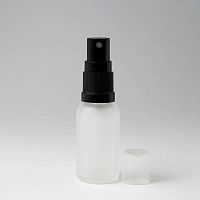
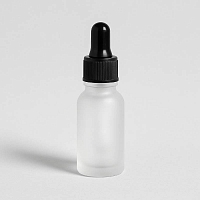
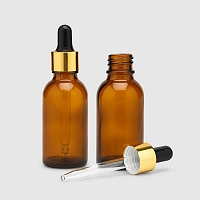
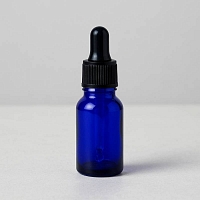
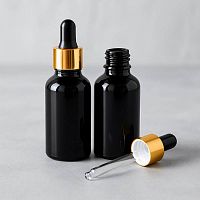
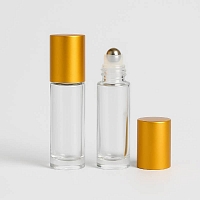
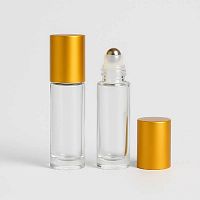

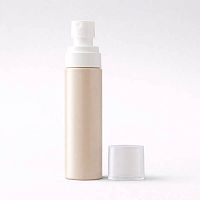
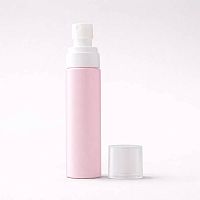
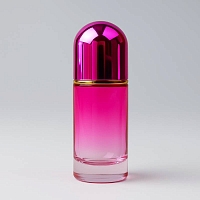
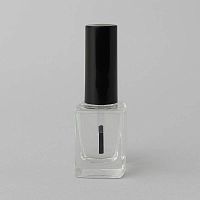
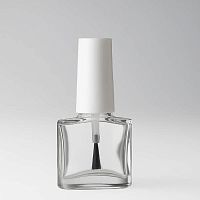
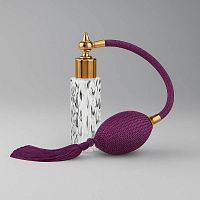


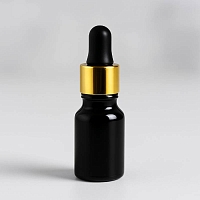
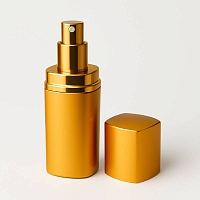
Glass containers for creams serums and oils
This section covers glass packaging for cosmetic formulations, including bottles, jars, and vials in a range of capacities, wall thicknesses, and neck finishes. Clear, amber, and frosted glass options are available for products that need protection from light or a specific visual presentation on the shelf.
Glass containers are chosen for creams, balms, body butters, and thick emulsions that need a wide mouth for easy scooping, while narrower bottles suit serums, facial oils, and lightweight lotions dispensed by dropper or pump. The inert nature of glass makes it a common choice for formulations with active ingredients, essential oils, or fragrance compounds that can interact with certain plastics over time.
Buyers assembling a full packaging line often pair glass jars and bottles with closures, droppers, and pumps found among packaging containers, jars, and bottles, while those focused specifically on cream formats can compare options among cosmetic jars in various sizes and neck diameters.
Shapes, closures, and finishes
Within this category, glass packaging splits mainly by neck finish and closure system rather than by glass color alone. Wide mouth jars, such as the glass jar with clip, 280 ml, use a hinged clip lid that seals tightly without threading, which suits thicker balms and butters that would be awkward to scoop from a narrow neck. Bottles built around a spray pump, like the bottle Grand spray pear s 35 ml, are shaped for fine mist dispensing rather than pouring, which matters for toners, hydrolats, and lightweight facial mists. Smaller decorative formats such as the Geneva 17 ml bottle with cap sphere or rose are typically chosen for concentrated oils or fragrance blends sold in small volumes.
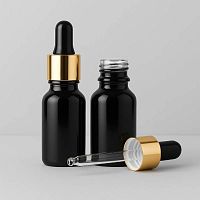
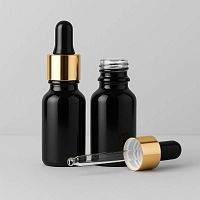
Dropper bottles form their own subgroup, distinguished by neck diameter and pipette length rather than capacity alone. A clear dropper bottle 10 ml works for sample sizes or trial batches, while the Sydney brown bottle 30 ml with pipette adds amber glass for formulations sensitive to light exposure, such as blends with volatile plant extracts or unstable actives.
Choosing a format for your formulation
Selection generally comes down to viscosity, light sensitivity, and dispensing behavior rather than capacity alone. Thin, low viscosity liquids move easily through a pipette or dropper, so formulators lean toward narrow neck bottles for facial oils, concentrated serums, and blended actives that are measured in drops. Thicker emulsions, gels, and butters need a wider opening for scooping with a spatula, which points toward jar formats instead.
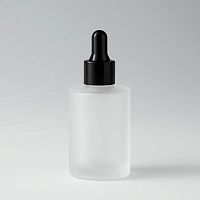
Frosted and tinted glass are often selected when a formulation includes ingredients that degrade under light, while clear glass suits products where visual color and texture are part of the presentation. The Sydney frosted bottle 100 ml with pipette and its smaller counterpart, the Sydney frosted bottle 50 ml with pipette, cover two common batch sizes for the same production line, letting a brand keep a consistent look across a serum range while adjusting fill volume by product.
Origin and handling
Glass containers in this range are sourced from Poland, offering consistent wall thickness and neck tolerances that matter when pairing bottles with pumps, droppers, or caps from a separate supplier. Empty glass should be stored upright in a dry area away from direct impact, since chips or micro cracks in the neck finish can compromise the seal of a closure over time.
Buyers working across several packaging formats at once, including precise measuring and mixing tools, often check laboratory glassware alongside bottles and jars when setting up a small batch production workflow.
FAQ
What is the difference between glass and plastic containers for cosmetic formulations
Glass is chemically inert and does not react with essential oils, fragrance compounds, or active ingredients over time, unlike some plastics. It also blocks light better when amber or frosted finishes are used, which helps protect sensitive formulas from oxidation during storage.
Which neck finish should I choose for a dropper or pump closure
Dropper inserts and pump closures typically require an 18mm or 20mm neck finish, while wider jars for creams and balms use larger openings for scooping. Matching the neck diameter to your chosen closure is essential, so confirm measurements before ordering both components together.
Can amber glass replace UV filters in a formulation
Amber glass reduces light exposure and slows photodegradation of light-sensitive ingredients, but it does not replace a UV filter added to the formula itself. It works as a packaging safeguard alongside proper formulation practices, not as a substitute for stability testing.
How should glass bottles and jars be stored before filling
Store empty glass containers upright in their original packaging, away from direct sunlight and temperature fluctuations, to prevent thermal stress and cracking. Keep boxes sealed until use to avoid dust buildup inside the necks, which can interfere with cap or pump seating.
Recommendations
When choosing glass packaging, match the neck finish and diameter to the closure you plan to use, and confirm wall thickness suits the weight of your formulation. Clear glass works for stable products meant to be seen, while amber or frosted glass suits light-sensitive oils and actives. Reach out by email with your target volume and closure type so the right combination can be confirmed before the order is assembled.



