-
 Absolutes
-
 Active Complexes
-
 Actives & Peptides
-
 Amino Acids & Proteins
-
 Food Flavors
-
 Ayurvedic Ingredients & Herbs
-
 Vitamins & Coenzymes
-
 Chocolate Making Supplies
-
 Thickeners & Gelling Agents
-
 Hydrosols & Floral Waters
-
 Hydrolyzed Proteins
-
 Fragrance Ingredients
-
 Nutraceutical Ingredients
-
 Acids, Salts, Alcohols & Alkalis
-
 Preservatives & Antioxidants
-
 Cosmetic Ingredients
-
 Colorants, Micas & Glitters
-
 Masks, Scrubs & Botanicals
-
 Oils & Butters
-
 Candle Making Supplies
-
 Melt and Pour Soap Bases
-
 Cream, Lotion & Hair Care Bases
-
 Fragrance Oils & Industrial Aromatics
-
 Cleansing Agents & Surfactants
-
 Peeling Actives & Acids
-
 Cosmetic Powders
-
 Solvents & Humectants
-
 Silicones & Conditioning Agents
-
 Bottles, Jars & Vials
-
 Silicone & Plastic Molds, Tools
-
 Botanical Extracts
-
 Cosmetic Emollients
-
 Emulsifiers
-
 Essential Oils
- Cosmetic Jars 391
- Bottles for cosmetics, dispensers, sprayers 863
- Laboratory glassware 22
- Measuring laboratory 23
- Plastic Packaging 878
- Plastic containers 19
- Perfume testers 36
- Glass Packaging, Bottles, and Jars 276
- Perfume Packaging 339
- Diffuser Bottles & Sticks 24
- Metal perfume atomizers 10
- Wholesale Jars, Bottles and Packaging Containers 2327
- Plastic Containers Large Wholesale 49


Plastic Packaging
 Add to cart
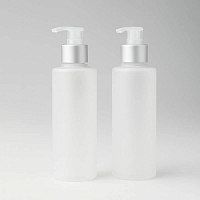

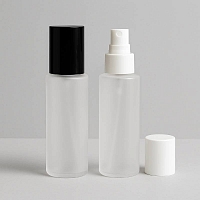

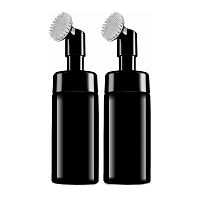
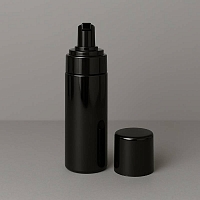
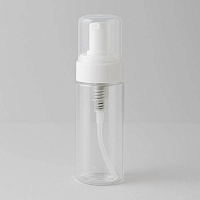
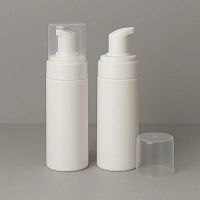
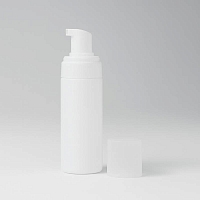
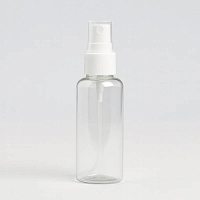
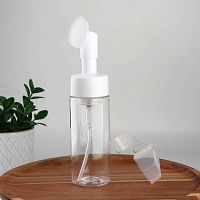
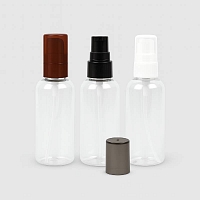


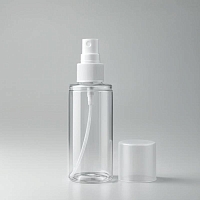


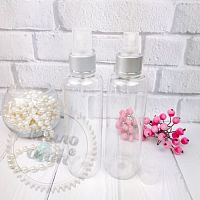


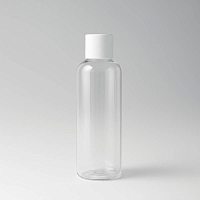

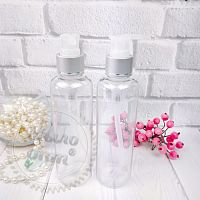
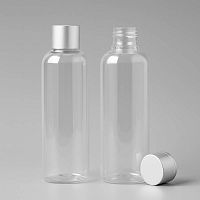
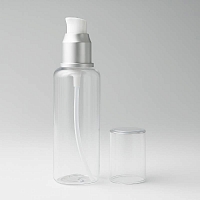
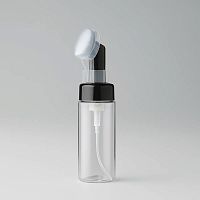
Containers and closures for creams serums and liquid formulas
This section covers plastic packaging used to hold and dispense finished cosmetic products: jars, bottles, tubes, caps, pumps and dispensers in a range of volumes and shapes. Formulators use these containers for creams, lotions, serums, shampoos, oils and other liquid or semi-liquid formulas made in small batches or on a production scale.
Container choice depends on the texture and viscosity of the formula. Thicker creams and balms usually go into wide-mouth jars that allow easy scooping, while lighter lotions, serums and oils are better suited to bottles fitted with pumps, droppers or flip-top caps that control dosing and reduce contact with air. For a broader look at rigid containers across categories, browse the packaging containers jars bottles wholesale section, or check cosmetic jars if a cream or balm format is what you need.
Many of these containers are also picked for sampling, travel sizes and gift sets, since smaller volumes let brands test new formulas or offer trial versions without committing to full production runs.
Jar and bottle formats by function
Wide-mouth jars remain the standard choice for balms, thick emulsions and butters that need to be scooped rather than poured. Smaller versions such as the cosmetic bottle with lid, 20 ml work well for concentrated serums, solid perfumes or trial batches where only a small volume needs to be filled per unit.
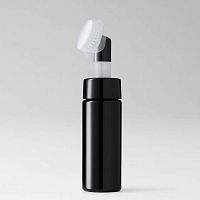
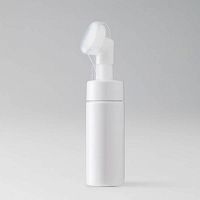
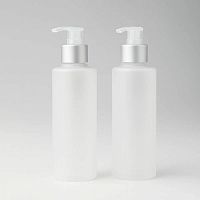
Pump and spray formats change how a liquid is metered and how much air reaches the product with each use. A plastic bottle 150 ml spray pump suits toners, facial mists and lightweight body sprays, while a plastic spray bottle 100 ml is often chosen for smaller test runs or travel sizes. For foaming formulas like cleansers and hand soaps, a foam bottle 150 ml white or a foam pump bottle 150 ml white pre-mixes air with liquid at the dispenser head, giving a lighter texture without changing the base formula.
Choosing a container to match the formula and category
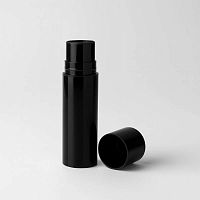
Color décoratif and lip products need their own container logic. A lipstick tube or a compact lipstick case 5 ml holds a solid stick formula in place, while a lip gloss tube 8 ml is built with a wand or applicator opening for a fluid, higher-viscosity gloss base. Nail formulations bring their own packaging logic too: a varnish bottle 15 ml, available also as a varnish bottle 15 ml, 10 pcs multipack, is shaped to fit a brush cap and narrow neck, which keeps solvent-based lacquers from drying out between uses.
For bulk storage of a finished batch before it is decanted into retail units, a dark plastic bottle, 1 L offers protection from light for formulas containing light-sensitive actives or oils. Matching the resin and cap type to the formula's pH and oil content helps prevent leaching or clouding over time, so it is worth checking compatibility during small-batch testing before scaling to a full production run.
Origin, storage and related supplies
Containers in this range come from Poland, China and Ukraine, giving formulators a mix of standard production volumes and more specialized shapes. Keep empty containers in a dry, dust-free space away from direct sunlight, and store caps and pumps separately from bottles until filling to avoid moisture buildup inside the dispensing mechanism.
If a project also involves precise measuring, mixing or heating steps before filling, the laboratory glassware section covers the equipment used earlier in the formulation process, ahead of the packaging stage covered here.
FAQ
What is the difference between a jar and a bottle for cosmetic formulas?
Jars have wide openings for scooping thicker textures like creams and balms, while bottles are sealed containers paired with pumps, droppers or flip-top caps for lighter, pourable formulas such as lotions, serums and oils that need controlled dispensing.
What container sizes are available for sample and travel formats?
Smaller volumes are commonly used for trial sizes, sampling batches and gift sets, letting formulators test a new recipe or offer travel versions of a product without producing a full batch in the standard retail size.
Which cap or dispenser suits a runny serum versus a thick lotion?
Runny serums usually pair well with droppers for precise drop-by-drop application, while thicker lotions and shampoos work better with pumps or flip-top caps that control flow and limit spillage during everyday use.
Can the same bottle shape be used for both oils and shampoos?
Yes, many bottle shapes are versatile enough for oils, shampoos and lotions alike; the main factor is matching the cap or pump to the formula viscosity rather than the bottle shape itself, since flow control depends mostly on the closure.
How should empty plastic containers be stored before filling?
Keep containers in a dry, dust-free area away from direct sunlight and strong odors, and store caps or pumps separately if possible to avoid deformation or cross-contamination before the formula is actually filled in.
Recommendations
When choosing a jar or bottle, start with the texture of your formula rather than the container size alone: thick creams and balms call for wide openings, while serums and oils perform better with a dropper or pump that limits air exposure and keeps dosing consistent from batch to batch.
If you are testing a new formula or preparing a limited run, smaller volumes are a practical way to trial packaging before scaling up. Reach out by email with your target volume and formula type, and our team will help you match the right jar, bottle or closure for your production.



