-
 Absolutes
-
 Active Complexes
-
 Actives & Peptides
-
 Amino Acids & Proteins
-
 Food Flavors
-
 Ayurvedic Ingredients & Herbs
-
 Vitamins & Coenzymes
-
 Chocolate Making Supplies
-
 Thickeners & Gelling Agents
-
 Hydrosols & Floral Waters
-
 Hydrolyzed Proteins
-
 Fragrance Ingredients
-
 Nutraceutical Ingredients
-
 Acids, Salts, Alcohols & Alkalis
-
 Preservatives & Antioxidants
-
 Cosmetic Ingredients
-
 Colorants, Micas & Glitters
-
 Masks, Scrubs & Botanicals
-
 Oils & Butters
-
 Candle Making Supplies
-
 Melt and Pour Soap Bases
-
 Cream, Lotion & Hair Care Bases
-
 Fragrance Oils & Industrial Aromatics
-
 Cleansing Agents & Surfactants
-
 Peeling Actives & Acids
-
 Cosmetic Powders
-
 Solvents & Humectants
-
 Silicones & Conditioning Agents
-
 Bottles, Jars & Vials
-
 Silicone & Plastic Molds, Tools
-
 Botanical Extracts
-
 Cosmetic Emollients
-
 Emulsifiers
-
 Essential Oils
- Cosmetic Jars 391
- Bottles for cosmetics, dispensers, sprayers 863
- Laboratory glassware 22
- Measuring laboratory 23
- Plastic Packaging 878
- Plastic containers 19
- Perfume testers 36
- Glass Packaging, Bottles, and Jars 276
- Perfume Packaging 339
- Diffuser Bottles & Sticks 24
- Metal perfume atomizers 10
- Wholesale Jars, Bottles and Packaging Containers 2327
- Plastic Containers Large Wholesale 49


Metal perfume atomizers

 Subscribe




Spray mechanisms and finishes for fragrance formulations
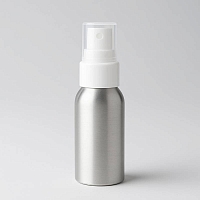
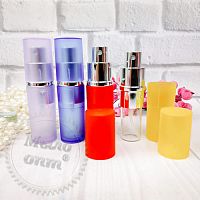
Metal perfume atomizers are refillable spray containers built around a metal shell, typically aluminum or brass plated in finishes such as matte, glossy, gold, or gunmetal. The metal housing surrounds a pump mechanism and a fine mist nozzle, giving finished perfumes, colognes, and scented mists a compact, travel friendly vessel that protects the formula from light and handling damage. Volumes usually range from a few milliliters up to larger travel sizes, so the same core design covers everything from sample vials to full retail units.
Beyond finished fragrances, this hardware shows up wherever a liquid needs to be dispensed as a controlled fine spray rather than poured or dripped. Formulators use metal atomizers for alcohol based colognes, hydrating face mists, hair perfumes, and linen or room sprays, since the pump size and nozzle diameter can be matched to thinner or slightly thicker liquids. Some workshops pair them with broader packaging containers, jars, and bottles ordered in the same run, filling atomizers for the spray line and standard cosmetic jars for balms or creams from a single production batch.
Finish types and pump variations
Within this category, the main differences come down to finish and internal mechanism rather than shape alone. Matte and brushed finishes tend to hide fingerprints and fit minimalist retail lines, while glossy, gold, or gunmetal plating suits gift sets and premium presentations. The pump itself varies too: some units release a fine, wide mist suited to face and hair sprays, while others give a narrower, more concentrated stream better matched to alcohol based colognes. Cap style, twist lock closures, and nozzle bore all affect how consistently a formula sprays once filled.
Body construction also differs between fully metal shells and metal shells wrapped around an inner plastic or glass reservoir, which changes weight, cost, and how the atomizer reacts to stronger solvents. Buyers who also work with perfume packaging more broadly often compare atomizers against standard roller and dropper formats before deciding which finish line to stock.
Choosing a variant and pairing it with your formula
The main selection criteria are liquid viscosity, alcohol content, and batch size. Thin, low viscosity mixes such as hydrating mists or linen sprays generally pass through fine nozzle atomizers without clogging, while slightly thicker hair or body formulas need a wider bore to spray evenly. Alcohol concentration matters too, since higher percentages can interact with certain internal seals over time, so matching the atomizer type to the base recipe helps avoid leaks or pump failure.
These atomizers rarely work in isolation. Many formulators fill them alongside other vessels from the same production run, drawing on glass packaging, bottles, and jars for oil based blends or heavier serums, and plastic packaging for lighter, higher volume lines. Testing a new fragrance formula before committing to a full batch is common practice, and perfume testers are frequently ordered together with atomizers for exactly that purpose.
Storage, batch planning, and related containers
Metal atomizers store well at room temperature away from direct sunlight, and keeping them capped when not filled helps protect the internal spring and nozzle from dust. For workshops measuring and mixing fragrance concentrates before filling, measuring laboratory equipment and general laboratory glassware are usually ordered from the same catalog section to keep formulation and filling steps consistent across a batch.
For larger production runs, it often makes sense to plan atomizer orders together with bulk containers rather than one at a time. Reviewing plastic containers and plastic containers large wholesale alongside atomizer volumes helps match packaging quantities to the actual fill line, reducing leftover stock of either component after a production cycle ends.
FAQ
What is the difference between a metal perfume atomizer and a plastic spray bottle?
Metal atomizers use a plated aluminum or brass shell around the pump, which blocks light and resists dents better than plastic. This protects alcohol based formulas from degradation and gives finished perfumes a heavier, more premium feel on the shelf.
What liquid volumes work best in a metal atomizer?
Most metal atomizers hold anywhere from a few milliliters for samples up to larger travel sizes for retail units. Match the volume to your batch size and refill frequency, since smaller vessels suit sampling programs while larger ones fit everyday carry.
Can a metal atomizer be reused and refilled?
Yes, the pump and nozzle are designed for repeated refills, which makes these atomizers suitable for both single fill retail runs and refillable lines. Check that the nozzle diameter still matches your liquid viscosity after repeated use.
Which finish should I choose for a metal atomizer, matte, glossy, or gold?
Finish is mostly a branding decision rather than a functional one, since matte, glossy, gunmetal, and gold options share the same internal pump mechanism. Pick based on how the finish reads against your label and the rest of your packaging line.
Recommendations
When selecting a metal atomizer, start with your liquid viscosity and fill volume, since nozzle diameter and pump draw are tuned for thin alcohol based sprays rather than thicker emulsions. Order a small batch first to test spray pattern and mist fineness with your actual formula before committing to a full production run. For questions on available finishes, volumes, or bulk quantities, reach out by email and we will help match the right atomizer to your line.



