-
 DIY: Video master classes
-
 Aromatherapy
-
 Felting master classes
-
 Eating at home
-
 DIY cosmetics for children
-
 Cooking recipes
-
 Detergents, cleaning products with your own hands
-
 Soap making as a business
-
 Natural cosmetics. Raw materials for cosmetics and soap.
-
 Natural oils in cosmetics
-
 News
-
 Recipes for balms and conditioners
-
 Bath Bomb Recipes
-
 Cream recipes. Cream making.
-
 Lotion recipes. Gel recipes.
-
 Mask recipes
-
 Soap recipes. Base soap. Soap from scratch.
-
 Recipes for all occasions
-
 Natural shampoo recipes
-
 Healthy Nutrition Recipes
-
 Scrub recipes. Massage tiles. Ubtan
-
 DIY candles
-
 Reference materials, questions, tips
-
 Startup - soap production
-
 Hair care. Tips, recipes
-
 Facial skin care. Cleansers.
-
 Body care. Tips, recipes
-
 Photo Reviews
-
 Chocolate Handmade
Lecigel: cold-process design for light gels and gel-emulsions
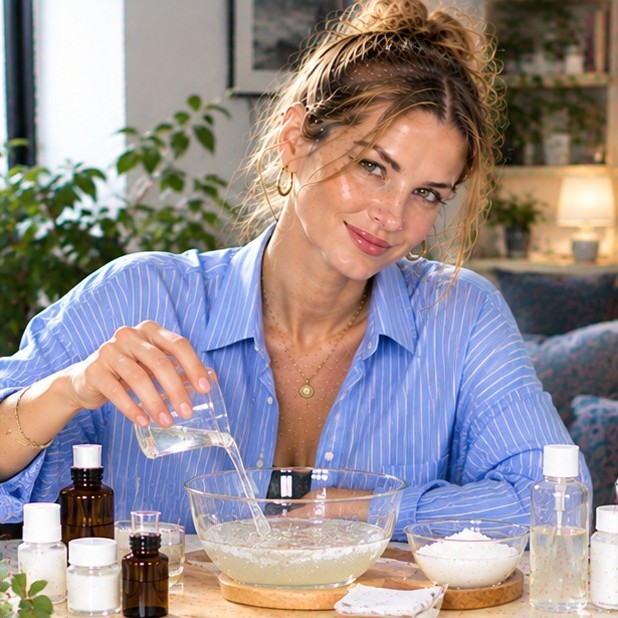
Lecigel is useful for lightweight modern textures where a cold-process route and controlled rheology are priorities. The formulation focus is sequence, hydration and the effect of actives on the final gel network.
Why cold process matters
Reduced heating can simplify work with heat-sensitive ingredients, but it does not remove the need for controlled addition and final pH checks.
Workflow
1. Prepare the aqueous phase.
2. Add Lecigel according to the material specification.
3. Allow uniform structure to develop.
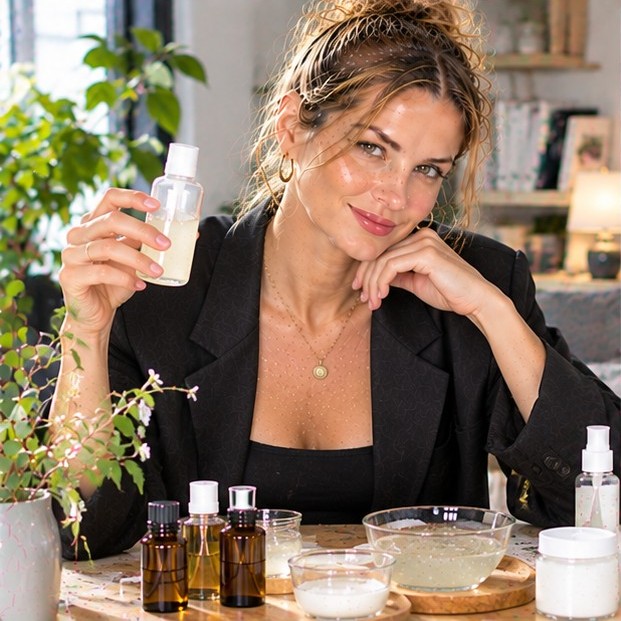
4. Add actives stepwise.
5. Track viscosity changes.
6. Check final pH and stability.
Electrolytes and actives
Salts and concentrated extracts can alter gel structure, so complex formulas are easier to troubleshoot when built in stages.
Internal navigation
Lecigel can be evaluated alongside emulsifier systems depending on whether the target is a pure gel or an emulsion.
Conclusion
Lecigel works best as part of a controlled cold-process workflow with progressive formula complexity and rheology checks.





