-
 Absolutes
-
 Active Complexes
-
 Actives & Peptides
-
 Amino Acids & Proteins
-
 Food Flavors
-
 Ayurvedic Ingredients & Herbs
-
 Vitamins & Coenzymes
-
 Chocolate Making Supplies
-
 Thickeners & Gelling Agents
-
 Hydrosols & Floral Waters
-
 Hydrolyzed Proteins
-
 Fragrance Ingredients
-
 Nutraceutical Ingredients
-
 Acids, Salts, Alcohols & Alkalis
-
 Preservatives & Antioxidants
-
 Cosmetic Ingredients
-
 Colorants, Micas & Glitters
-
 Masks, Scrubs & Botanicals
-
 Oils & Butters
-
 Candle Making Supplies
-
 Melt and Pour Soap Bases
-
 Cream, Lotion & Hair Care Bases
-
 Fragrance Oils & Industrial Aromatics
-
 Cleansing Agents & Surfactants
-
 Peeling Actives & Acids
-
 Cosmetic Powders
-
 Solvents & Humectants
-
 Silicones & Conditioning Agents
-
 Bottles, Jars & Vials
-
 Silicone & Plastic Molds, Tools
-
 Botanical Extracts
-
 Cosmetic Emollients
-
 Emulsifiers
-
 Essential Oils


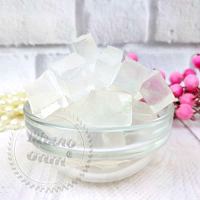
Suaptema Soap Base

 Add to cart

 Subscribe


Formulating with a trusted melt and pour base line
Suaptema soap base is a ready made melt and pour foundation supplied as solid blocks that liquefy at moderate heat and reset into a firm, workable bar. It covers clear, white and specialty variants, giving makers a starting point that already carries the right moisture balance and lather without any manual saponification. Small studios and growing workshops use it to skip raw fat processing entirely and focus on color, texture and scent.
Once melted, the base accepts additives such as clays, botanical fillers, mica and fragrance oils, which makes it a flexible canvas for layered bars, embeds and swirl designs. It sits alongside other melt and pour soap bases wholesale in a wider lineup, so buyers scaling production can compare textures and pricing before settling on a batch size. Some makers pair it with a firmer soap base from Germany for bars that need extra hardness or a longer shelf life.
Variants and how they differ
Melt and pour bases are not all interchangeable. Clear versions let embeds and layered colors show through, white variants hide additives and suit opaque, creamy bars, and specialty blends often carry extra glycerin or a softer set for lotion-like bars. Buyers comparing this line against other Melt and Pour Soap Base England options or a Stephenson Soap Base will notice differences in melt point, hardness after curing and how much fragrance the base can hold before it seizes.
Regional bases also bring their own working traits. A Soap base France or an Italian Soap Base tends to pour with a slightly different lather density than a Soap Base Belarus or a Soap Base Israel, which is why many workshops keep more than one type on hand rather than standardizing on a single block.
Choosing a base and building a recipe around it
The right pick depends on the finished bar. A clear base shows off suspended glitter, botanical inclusions or layered pigment, while an opaque or creamy block is better for bars built around heavier clay loads or thick swirls. Anyone already working with a Colored Soap Base can skip a separate coloring step and focus on texture and scent instead.
In the rebatch, the base combines with fragrance oils, mica, exfoliating fillers and skin conditioning oils added at pouring temperature. Because it is a finished substrate rather than a raw fat blend, the working window is short, so additives are usually pre-measured before the block is melted. Studios producing at volume often mix a domestic option such as Soap Base Ukraine with an imported block to balance cost against a specific texture target.
Storage and batch planning
Blocks keep best wrapped and stored away from direct heat and moisture, since surface sweating can affect how evenly a batch melts later. Buyers scaling beyond single bars typically test a small block first, confirm melt behavior and fragrance tolerance, then order the working quantity once the recipe is locked in.
FAQ
What is the difference between clear and white melt and pour soap base
Clear base is transparent, letting embeds, layered colors and swirl patterns show through the finished bar. White base is opaque and creamy, hiding additives and giving a smooth, uniform surface. The choice depends on whether the design relies on visible layers or a solid, even finish.
How do you melt and use a soap base block
Cut the block into cubes and heat gently in a double boiler or short microwave bursts until fully liquid, avoiding a rolling boil. Once melted, mix in clays, fillers, mica or fragrance oil, pour into molds, and let it cool and firm up before unmolding.
Can different soap base types be combined in one bar
Yes, clear and white bases are often layered or swirled together to create contrast, and a firmer base can be blended in small amounts with a softer one to adjust hardness. Testing a small batch first helps confirm the combination sets evenly and holds its shape.
How should melt and pour soap base be stored before use
Keep blocks wrapped or sealed in a cool, dry place away from direct sunlight and moisture, which can cause sweating or a grainy texture over time. Proper storage keeps the base easy to melt cleanly and preserves its lather and workability for later batches.
Recommendations
Choosing the right block comes down to the finish you need: clear for layered and embed designs, white for opaque, creamy bars, and a firmer specialty blend where extra hardness or longer shelf life matters. Order small test batches first to compare melting behavior and texture before committing to larger volumes, and reach out by email to plan a batch size that fits your production schedule.



