-
 Absolutes
-
 Active Complexes
-
 Actives & Peptides
-
 Amino Acids & Proteins
-
 Food Flavors
-
 Ayurvedic Ingredients & Herbs
-
 Vitamins & Coenzymes
-
 Chocolate Making Supplies
-
 Thickeners & Gelling Agents
-
 Hydrosols & Floral Waters
-
 Hydrolyzed Proteins
-
 Fragrance Ingredients
-
 Nutraceutical Ingredients
-
 Acids, Salts, Alcohols & Alkalis
-
 Preservatives & Antioxidants
-
 Cosmetic Ingredients
-
 Colorants, Micas & Glitters
-
 Masks, Scrubs & Botanicals
-
 Oils & Butters
-
 Candle Making Supplies
-
 Melt and Pour Soap Bases
-
 Cream, Lotion & Hair Care Bases
-
 Fragrance Oils & Industrial Aromatics
-
 Cleansing Agents & Surfactants
-
 Peeling Actives & Acids
-
 Cosmetic Powders
-
 Solvents & Humectants
-
 Silicones & Conditioning Agents
-
 Bottles, Jars & Vials
-
 Silicone & Plastic Molds, Tools
-
 Botanical Extracts
-
 Cosmetic Emollients
-
 Emulsifiers
-
 Essential Oils
- Silicone geometric molds 11
- Wooden molds for soap 9
- Fondant Tools 9
- Compound for molds 35
- Metal baking molds 27
- World of Forms 286
- Silicone Molds 72
- Plastic chocolate molds 128
- Plungers and Cutters 40
- Silicone Portion Molds 20
- Silicone 3D Molds 712
- Silicone Baking Molds 36
- Silicone soap loaf molds 6
- Bath bomb molds 13
- Candy Molds 118
- Plastic soap molds 274
- Candle Molds 51
- Silicone 3D Luxury Molds 711
- Silicone forms 241
- Silicone mold trays for baking 218
- Soap stamps 38
- Plastic soap molds wholesale 9
- Paper baking molds 22
- Cookie cutters and gingerbread molds 61
- Mousse cake and dessert molds 8
- Cheese molds 5


Plastic chocolate molds
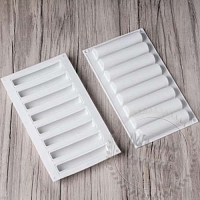
 Add to cart


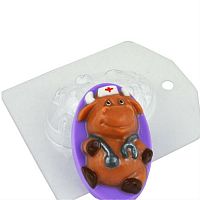


Reusable molds for pouring and shaping
This section offers plastic molds designed for pouring and setting chocolate and similar meltable or pourable mixtures. Each mold has cavities of a chosen shape and depth that let a liquid mass cool and harden into a solid, evenly formed piece. The rigid plastic body keeps its shape through repeated pours while the smooth cavity surface supports an easy, clean release once the mixture has set.
Beyond confectionery work, the same cavity shapes are handy for shaping other pourable materials such as soft wax blends, layered decorative pieces, or firm bath products, since the mold itself simply defines the outer form rather than reacting with what is poured into it. For craft projects that need a slightly different cavity size or texture, browsing bath bomb molds or plastic soap molds can be useful for comparing cavity depth and detail before choosing the right one for a specific piece.
Cavity styles and how they differ
Within this group, the main difference between molds comes down to cavity shape, depth, and the level of surface detail. A tray built around a single repeated motif, such as the Form for chocolate Bananas or the Donut chocolate mold, gives uniform pieces with a smooth or lightly textured face, while a mixed layout like the Plastic mold for chocolate Assorted seafood holds several different shapes in one sheet, so a single pour yields a varied set of pieces.
Seasonal and themed trays add another layer of variety. Designs such as the Plastic form W 2022 Tiger and traces 83 g or the Plastic form W 2022, 78 gr feature a defined weight per cavity, which is useful when a consistent piece size matters more than free-form shaping. Motion or scene-style reliefs, like the Form for chocolate Dance, sit at the more detailed end of the range, capturing finer relief lines than a plain geometric cavity would.
Choosing a mold and pairing it with a project
The right choice depends on cavity depth, detail level, and how the finished piece will be handled after release. A shallow, simple cavity works well for a firm, quick-setting mass, while a deeper or more detailed cavity suits a mixture that stays workable a little longer before it fully hardens, since fine lines need time to fill before the mass starts to set.
Because the mold only shapes and releases the finished piece rather than reacting with it, the same tray can serve well beyond a single pourable mixture. A cavity meant for a melted confectionery blend can just as easily shape a firm bath product, a layered decorative piece, or a soap bar, since what matters to the mold is viscosity and set time, not the exact recipe. For a size or texture comparison before deciding, it can help to look at Silicone forms, which offer a more flexible cavity wall and a different release behavior than a rigid plastic tray.
Origin and care
Molds in this section come from Poland and Ukraine. Both plastic and silicone trays hold up to repeated use when kept clean and dry between pours, stored flat or upright without heavy items stacked on top, since a bent or warped cavity wall changes the shape of every piece poured afterward. Keeping the mold away from direct heat sources between uses helps the plastic body keep its original form over many cycles.
FAQ
What are reusable plastic molds for pouring used for besides chocolate?
While these molds are shaped for chocolate and confectionery pours, the same rigid cavities work for other pourable materials, including soft wax blends, layered decorative pieces, firm bath products, and even soap, since the mold only defines the outer form and does not react with the poured mixture.
How many times can a plastic pouring mold be reused?
A well made plastic mold can be reused many times over as long as the cavity surface stays smooth and free of scratches. Gentle handling during release and mild cleaning between pours help the mold keep its shape and detail across repeated batches.
How do I choose the right cavity size and depth for my project?
Match the cavity depth and shape to the finished piece you want, deeper cavities suit thicker or layered pours, while shallow, detailed cavities work better for thinner mixtures. Comparing a few mold styles side by side makes it easier to see which detail level fits your specific pour.
How should these molds be stored between uses?
Store molds flat and clean in a dry place away from direct heat, since warping can affect how evenly a piece releases later. Stacking flexible or thin trays without support can also distort the cavities, so keeping them separated helps preserve their original shape.
Recommendations
When choosing a mold, match the cavity depth and detail level to the texture and thickness of the mixture you plan to pour, and check whether a single repeated motif or a mixed tray layout suits your batch size better. Compare a few cavity styles before settling on one, since shape and depth affect how cleanly a piece releases once set. Reach out by email to check current availability and place an order.



