-
 Absolutes
-
 Active Complexes
-
 Actives & Peptides
-
 Amino Acids & Proteins
-
 Food Flavors
-
 Ayurvedic Ingredients & Herbs
-
 Vitamins & Coenzymes
-
 Chocolate Making Supplies
-
 Thickeners & Gelling Agents
-
 Hydrosols & Floral Waters
-
 Hydrolyzed Proteins
-
 Fragrance Ingredients
-
 Nutraceutical Ingredients
-
 Acids, Salts, Alcohols & Alkalis
-
 Preservatives & Antioxidants
-
 Cosmetic Ingredients
-
 Colorants, Micas & Glitters
-
 Masks, Scrubs & Botanicals
-
 Oils & Butters
-
 Candle Making Supplies
-
 Melt and Pour Soap Bases
-
 Cream, Lotion & Hair Care Bases
-
 Fragrance Oils & Industrial Aromatics
-
 Cleansing Agents & Surfactants
-
 Peeling Actives & Acids
-
 Cosmetic Powders
-
 Solvents & Humectants
-
 Silicones & Conditioning Agents
-
 Bottles, Jars & Vials
-
 Silicone & Plastic Molds, Tools
-
 Botanical Extracts
-
 Cosmetic Emollients
-
 Emulsifiers
-
 Essential Oils
Australian merino 21 micron Ombria wholesale

 Subscribe

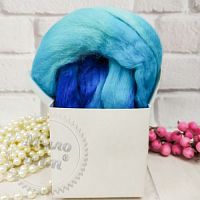


Fine merino fiber for needle and wet felting techniques
This section offers Australian merino wool at 21 microns in the Ombria shade, supplied as combed tops ready for felting work. The fiber sits among the finer grades of merino, which makes it a common pick for projects where softness against the skin or a smooth, refined surface matters more than bulk or quick shrinkage.
Felters use this fineness for wearable pieces such as scarves, vessels, and figurines, where a soft handle and even fiber distribution affect both the working process and the finished texture. The lower micron count also means the fiber felts into a denser, tighter surface with wet felting methods, while still responding well to a felting needle for detail and shaping work.
Buyers who compare micron counts across a range often look at the Australian Merino 23 micron wool or the slightly coarser Australian merino wool 24 micron alongside this grade to match fiber behavior to a specific technique or the level of detail a project calls for.
Micron grades and how they compare
Merino fiber sold for felting is graded by micron count, and that number drives most of the practical differences between batches. A finer grade like this 21 micron Ombria top sits close to the Australian Merino 18 micron wholesale range in softness, though the 18 micron fiber felts even faster and suits the finest surface work. Moving up a step, the Australian Merino 21 micron wholesale line covers the same grade in other shades, giving buyers a way to match color across a project without changing the fiber behavior.
Coarser grades felt more slowly and hold a looser structure, which some techniques actually need for volume or texture. Fiber diameter, staple length, and how the tops were combed all affect how a batch drafts, layers, and locks together once agitation or needle work begins.
Choosing a grade and building a fiber palette
The right choice depends on the technique and the finished object more than on personal preference alone. Wet felting for flat or sculptural pieces benefits from finer fiber that shrinks into a tight, stable surface, while needle felting for armatures or bulk shaping often works faster with a slightly coarser top that holds loft longer before compacting.
Color matching matters just as much as micron count for anyone building a palette across several projects. Combining this Ombria shade with other tones from the same felting wool wholesale range keeps the fiber's felting properties consistent while opening up a wider design range, since blending different colors of the same micron grade is more predictable than mixing across grades.
Working with combed tops
Combed top is a prepared, aligned form of fiber, which makes it easier to draft evenly and control thickness compared to raw or carded wool. This preparation matters most for detail work, where uneven fiber distribution shows up clearly in the final surface.
Fiber should be kept dry and away from direct sunlight to protect both color and structure over time, and stored loosely rather than compressed to avoid flattening the loft that makes drafting easier.
FAQ
What micron count is best for wet felting versus needle felting?
Finer grades around 19 to 21 microns, like this Ombria shade, wet felt into a dense, smooth surface and still take detail well with a needle. Coarser grades above 23 microns wet felt faster but give a rougher texture, so the choice depends on whether softness or speed matters more for your project.
How should combed merino tops be stored before use?
Keep tops in a dry, dark place away from direct sunlight, ideally in a sealed bag or container to prevent dust and moisture from settling into the fiber. Avoid compressing them for long periods, since this can flatten the loft and make drafting the fiber harder later.
Can this merino wool be blended with other fibers for felting projects?
Yes, merino tops blend well with silk, alpaca, or other wool fibers to adjust sheen, drape, or felting speed. Blending is common for surface effects on vessels, scarves, and figurines where a single fiber type does not give the desired texture or strength.
Does the micron grade affect how much the fiber shrinks during felting?
Finer microns generally shrink more and felt into a tighter, denser fabric compared to coarser grades, which stay looser and bulkier. This matters when planning the finished size of a wet felted piece, since shrinkage rates vary noticeably between micron grades.
Recommendations
When choosing a batch of this merino top, match the micron count to your technique first, finer fiber for smooth wearable pieces, coarser fiber for faster bulk work. Check the staple length and color consistency across the batch if you are planning a large piece, since tone can vary slightly between dye lots. For bulk orders or questions about available quantities, reach out by email and our team will confirm current stock and lead time before you commit to a larger purchase.



