-
 Absolutes
-
 Active Complexes
-
 Actives & Peptides
-
 Amino Acids & Proteins
-
 Food Flavors
-
 Ayurvedic Ingredients & Herbs
-
 Vitamins & Coenzymes
-
 Chocolate Making Supplies
-
 Thickeners & Gelling Agents
-
 Hydrosols & Floral Waters
-
 Hydrolyzed Proteins
-
 Fragrance Ingredients
-
 Nutraceutical Ingredients
-
 Acids, Salts, Alcohols & Alkalis
-
 Preservatives & Antioxidants
-
 Cosmetic Ingredients
-
 Colorants, Micas & Glitters
-
 Masks, Scrubs & Botanicals
-
 Oils & Butters
-
 Candle Making Supplies
-
 Melt and Pour Soap Bases
-
 Cream, Lotion & Hair Care Bases
-
 Fragrance Oils & Industrial Aromatics
-
 Cleansing Agents & Surfactants
-
 Peeling Actives & Acids
-
 Cosmetic Powders
-
 Solvents & Humectants
-
 Silicones & Conditioning Agents
-
 Bottles, Jars & Vials
-
 Silicone & Plastic Molds, Tools
-
 Botanical Extracts
-
 Cosmetic Emollients
-
 Emulsifiers
-
 Essential Oils


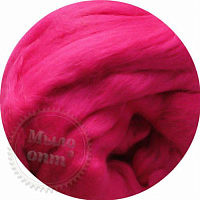
Australian Merino 21 micron wholesale
 Subscribe


Fine fiber for felting projects and textile crafts
Australian Merino 21 micron wool is a fine grade natural fiber supplied in bulk for wet and needle felting. Its thin, soft strands bind together quickly and hold intricate shapes, which makes it a common choice for detailed figures, toys, jewelry elements and decorative textile pieces produced at home or on a larger workshop scale.
Because the fiber diameter is smaller than standard wool grades, it felts down into a tighter, smoother surface with less visible texture, so crafters often reach for it when a finished piece needs a refined look rather than a rustic one. For projects that call for a slightly firmer hand or a coarser visual finish, the Australian Merino 23 micron wholesale or the Australian merino wool 24 micron wholesale can be blended in or used side by side for contrast within the same piece.
Grades and how they differ
Within the felting fiber range, micron count is the main factor separating one wool grade from another. Lower numbers describe finer, softer strands, while higher numbers describe thicker fibers with a coarser hand. The Australian Merino 18 micron wholesale sits at the finer end and is often chosen for delicate surfaces such as facial details or thin outer layers, where a smooth, almost silky finish matters more than durability.
Higher micron grades, by comparison, felt more slowly and produce a denser, sturdier base suited to structural parts of a project. Some suppliers also offer colored batches within a given micron range, such as the Australian merino 21 micron Ombria wholesale, which brings a gradient or blended tone directly into the fiber rather than requiring separate dyeing steps afterward.
Choosing a grade and pairing fibers in a project
Picking the right wool for a piece usually comes down to three questions: how fine the final surface should look, how much structural firmness the shape needs, and whether color work will happen before or after felting. A single figure or ornament frequently uses more than one grade, with a finer fiber forming the visible outer layer and a coarser one filling the core to save material and shorten working time.
Buyers sourcing for a workshop rather than a single project often browse the full felting wool wholesale range to compare micron grades side by side before settling on a combination, since the difference in hand and finish is easier to judge across several batches at once rather than from a single sample.
Storage and handling
Loose wool fiber should be kept dry and away from direct sunlight, in a container or bag that still allows some airflow, since prolonged moisture exposure can affect how evenly it felts. Keeping stock sorted by micron grade and color also speeds up production runs when several projects are in progress at the same time, particularly for workshops handling larger recurring orders.
FAQ
What micron wool is best for fine needle felting details
Finer grades around 18 to 21 microns work best for detailed figures, facial features and small sculptural elements because the thin strands felt into a smooth, tight surface. Coarser microns are better suited to bulkier shapes where texture and structure matter more than a refined finish.
Can different micron grades be blended together in one project
Yes, blending fine and coarser grades within a single piece is common practice. Crafters often use a finer wool for the outer surface and a coarser grade underneath for structure, or combine microns side by side to create visible texture contrast in the same felted item.
How should felting wool be stored to prevent damage
Keep the fiber dry, away from direct sunlight and in a sealed bag or container to prevent moths and dust buildup. Loose fiber compresses easily, so avoid heavy stacking and store it in a way that keeps the strands separated and easy to pull apart later.
What is the difference between wool grades labeled by micron count
The micron number indicates fiber diameter, with lower numbers meaning thinner, softer strands and higher numbers meaning thicker, coarser ones. This single measurement affects how quickly the fiber felts, how smooth the final surface looks and how firm the finished piece feels.
Recommendations
When choosing a wool grade for a specific project, match the micron count to the level of detail you need rather than picking by price alone. Finer grades suit small figures and jewelry pieces, while coarser microns hold up better in larger, sturdier forms. If you work across a range of projects, ordering a few different microns at once makes it easier to blend textures as needed. To place an order or ask about available grades and quantities, reach out by email and our team will help match the fiber to your production scale.



