-
 Absolutes
-
 Active Complexes
-
 Actives & Peptides
-
 Amino Acids & Proteins
-
 Food Flavors
-
 Ayurvedic Ingredients & Herbs
-
 Vitamins & Coenzymes
-
 Chocolate Making Supplies
-
 Thickeners & Gelling Agents
-
 Hydrosols & Floral Waters
-
 Hydrolyzed Proteins
-
 Fragrance Ingredients
-
 Nutraceutical Ingredients
-
 Acids, Salts, Alcohols & Alkalis
-
 Preservatives & Antioxidants
-
 Cosmetic Ingredients
-
 Colorants, Micas & Glitters
-
 Masks, Scrubs & Botanicals
-
 Oils & Butters
-
 Candle Making Supplies
-
 Melt and Pour Soap Bases
-
 Cream, Lotion & Hair Care Bases
-
 Fragrance Oils & Industrial Aromatics
-
 Cleansing Agents & Surfactants
-
 Peeling Actives & Acids
-
 Cosmetic Powders
-
 Solvents & Humectants
-
 Silicones & Conditioning Agents
-
 Bottles, Jars & Vials
-
 Silicone & Plastic Molds, Tools
-
 Botanical Extracts
-
 Cosmetic Emollients
-
 Emulsifiers
-
 Essential Oils


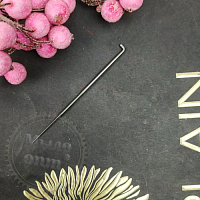
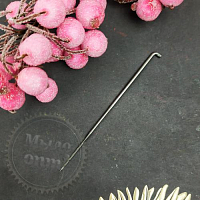
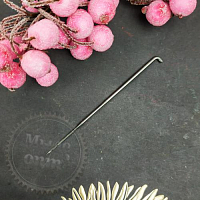
Felting needles wholesale

 Add to cart








 Subscribe
Tools that shape fiber into finished felted pieces
This section covers felting needles used to lock loose fiber together through repeated punching, creating dense, sculpted textures without water or heat. Options here vary by gauge, barb count, and tip shape, covering fine detail work as well as fast bulk shaping, and they suit both hobbyists working on single pieces and workshops running larger batches.
Needles from this range are chosen based on the fiber being worked and the level of detail required. Coarser gauges compress bulk shapes quickly and pair well with felting wool, while finer needles refine surfaces and add sharp detail once a base shape is formed. For a smoother, more even texture on outer layers, many crafters reach for carded wool, which needles well without excessive pilling.
Beyond figurines and toys, these needles show up in mixed media art, applique work on fabric bases, jewelry components, and finishing touches on garments where a raised, textured accent is needed. Multi-needle tools and single needles both have a place here depending on whether the project calls for speed or precision.
Gauge, barb style, and point shape
Needles in this range are grouped by gauge, running from coarse to fine, and by the number and arrangement of barbs along the shaft. Coarse gauges grab and compress large volumes of fiber fast, which matters when a shape needs to go from loose tuft to firm form in a hurry. Fine gauges leave smaller entry marks and work best once a piece is already dense, letting a maker smooth seams, blend colors, or add small raised details without tearing the surface.
Tip geometry also varies. Star-shaped and twisted points tend to tangle fiber more aggressively per stroke, useful for bulk work, while triangular points give more control for line work and precise attachment points like ears, fingers, or small appliques. Multi-needle holders group several needles together for covering flat areas quickly, while single needles remain the standard choice for detail and repair.
Matching a needle to the fiber and the project
Choice usually comes down to two questions: how much fiber needs to be moved, and how fine the final surface should be. Dense, springy fibers respond well to a coarser needle first, then a finer one for finishing. Softer, finer fibers can felt with a single gauge throughout if the base shape is simple. Anyone starting from raw material rather than a pre-shaped batt will often work with natural undyed wool wholesale for the core structure, since it takes the first rounds of coarse felting without excessive shrinkage or distortion.
Because this is raw craft material rather than a finished kit, the same needles turn up across a wide range of outcomes: soft sculpture, garment trims, jewelry findings, book covers, and mixed media panels combining fiber with fabric or paper. The needle itself does not dictate the outcome, only how efficiently fiber locks into shape, which is why gauge and point style matter more than any single project label. For anyone comparing full ranges of tools and fiber together, the broader felting wholesale selection groups needles alongside the fibers they are typically paired with.
Handling and storage
These needles are thin and brittle by design, so they snap if bent sideways or pushed at an angle instead of straight down. Keeping them sorted by gauge in a labeled case or foam block prevents mix-ups mid project and protects the points from dulling against each other. Storing them away from moisture keeps the shafts from developing rust spots that can snag fiber during use. Workshops running frequent batches often keep several gauges on hand at once, since switching between coarse shaping and fine finishing on the same piece is standard practice rather than an exception.
FAQ
What gauge felting needle should i use for beginners
A medium gauge, often labeled around 38 to 36, works well for beginners since it handles both shaping and moderate detail. Coarser needles suit fast bulk compression, while finer gauges are better saved for refining surfaces once basic shaping skills are comfortable.
What is the difference between star and triangle felting needles
Triangle needles have three barbed edges and grab fiber quickly, making them efficient for general shaping. Star needles have four edges, catching more fiber per stroke, which speeds up dense bulk work but can leave a slightly rougher surface than a triangle tip.
Can felting needles be used on projects other than toys and figurines
Yes, these needles are used well beyond toys. They appear in mixed media art, applique details on fabric bases, jewelry components, and raised textured accents on garments, since the tool simply locks fiber wherever a sculpted or bonded surface is wanted.
How do i store felting needles safely
Keep needles upright in a foam block, cushion, or capped container so the fine barbed tips stay protected and are not exposed loose in a drawer. Dry storage away from moisture helps prevent rust on the metal shaft over time.
Recommendations
Match the needle gauge and barb style to the stage of your project rather than picking one needle for everything. Coarser gauges suit early bulk shaping, while fine needles are better kept for surface detail and finishing passes. If you work through fiber quickly or run a small workshop, ordering a mixed set of gauges and tip shapes in one batch is usually more practical than reordering single needles repeatedly. Reach out by email with your project scope and preferred fiber type, and we can help point you toward a suitable combination for your next order.



