-
 Absolutes
-
 Active Complexes
-
 Actives & Peptides
-
 Amino Acids & Proteins
-
 Food Flavors
-
 Ayurvedic Ingredients & Herbs
-
 Vitamins & Coenzymes
-
 Chocolate Making Supplies
-
 Thickeners & Gelling Agents
-
 Hydrosols & Floral Waters
-
 Hydrolyzed Proteins
-
 Fragrance Ingredients
-
 Nutraceutical Ingredients
-
 Acids, Salts, Alcohols & Alkalis
-
 Preservatives & Antioxidants
-
 Cosmetic Ingredients
-
 Colorants, Micas & Glitters
-
 Masks, Scrubs & Botanicals
-
 Oils & Butters
-
 Candle Making Supplies
-
 Melt and Pour Soap Bases
-
 Cream, Lotion & Hair Care Bases
-
 Fragrance Oils & Industrial Aromatics
-
 Cleansing Agents & Surfactants
-
 Peeling Actives & Acids
-
 Cosmetic Powders
-
 Solvents & Humectants
-
 Silicones & Conditioning Agents
-
 Bottles, Jars & Vials
-
 Silicone & Plastic Molds, Tools
-
 Botanical Extracts
-
 Cosmetic Emollients
-
 Emulsifiers
-
 Essential Oils


Natural filler

 Add to cart


 Subscribe
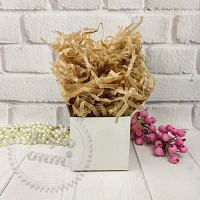


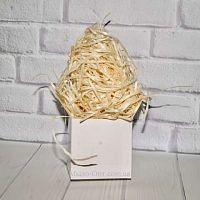


Adding texture and eco style to finished packaging
Natural filler is a dried plant based material used to line boxes bags and containers before placing finished items inside. It adds volume, cushioning and a rustic visual texture, and small producers and packaging teams buy it to give parcels a handmade natural look without synthetic shred or plastic fill.
This filler works well underneath soap bars, candles, small bottles, bath products or edible treats such as chocolates and baked goods, since it simply fills empty space in a box and keeps items from shifting during transport. It suits gift sets, subscription boxes and retail displays where the packaging itself is part of the presentation.
It pairs naturally with other packaging elements, including packages and natural beech baskets, letting sellers build a coordinated eco look across an entire product line rather than a single box.
Color and texture options
Natural filler is sold in several color and cut variations, and the differences come down to how the dried material was processed. A Green Natural Filler 20 g reads as fresh and botanical, while Natural filler Black 20 g gives a darker, more graphic background that makes lighter items placed on top stand out. A finer, parchment style option like Parchment filler Shokko sits closer to shredded paper in appearance and works well when a producer wants a warmer, more neutral tone instead of a strong plant color.
The choice between shades usually depends on the packaging palette already in use, since filler is a background element that either blends into a box or deliberately contrasts with it.
Choosing a filler and pairing it with other packaging
Selection mostly comes down to volume needed, color match and the weight of the item being packed, since heavier products need a denser layer underneath to prevent shifting, while light decorative pieces only need a thin base layer for visual effect. Because the same filler works under soap, candles, bottled cosmetics, chocolates and pastries alike, buyers usually order by the box size and the finished look rather than by a single product category.
It is commonly combined with ribbon and cord from the Tapes range, finished off with pieces from Bows, and placed inside items from the Boxes section. Sellers who want a softer, layered presentation often add sheets from Tish paper, tissue paper above or below the filler, and small Decorative clothespins to hold a folded card or tag in place on top of the fill.
Origin and storage
Filler in this range comes from Poland and Ukraine. Because it is a dried plant material, it should be kept in a dry place away from direct moisture, which prevents the strands from softening or losing shape before use. Stored this way, a pack keeps its volume and color well across a full season of packing, so producers can buy ahead of a busy gifting period without worrying about the material settling or clumping in storage.
FAQ
What is natural filler made from
Natural filler is produced from dried plant based material processed into fine strands or shredded pieces. It contains no plastic or synthetic fibers, which is why packaging teams choose it when they want a rustic, handmade look inside boxes, bags and gift containers.
How much filler do I need for one box
The right amount depends on box size and how many items you are cushioning, so it is best to test with a sample pack first. Most sellers fill roughly a third to half of the empty space, then adjust once items are placed to see how much movement remains.
Can natural filler be used with food items like chocolate or baked goods
Yes, it is commonly placed under wrapped chocolates, cookies and other packaged treats to add volume and prevent shifting during transport. Since items are already sealed or wrapped, the filler only touches the outer packaging, not the food itself.
How should natural filler be stored before use
Keep it in a dry place away from direct moisture, since the dried material can absorb humidity and lose its texture over time. A sealed bag or container between uses helps it stay loose and keeps the color from fading.
Recommendations
When choosing a color or cut of natural filler, think about the overall packaging line rather than a single box, since matching tones across parcels, bags and baskets creates a more consistent retail presentation. Order small sample quantities first to check volume and texture against your box sizes before committing to a larger batch. Requests and orders are handled by email, and our team can help match filler shades to the rest of your packaging assortment.



