-
 Absolutes
-
 Active Complexes
-
 Actives & Peptides
-
 Amino Acids & Proteins
-
 Food Flavors
-
 Ayurvedic Ingredients & Herbs
-
 Vitamins & Coenzymes
-
 Chocolate Making Supplies
-
 Thickeners & Gelling Agents
-
 Hydrosols & Floral Waters
-
 Hydrolyzed Proteins
-
 Fragrance Ingredients
-
 Nutraceutical Ingredients
-
 Acids, Salts, Alcohols & Alkalis
-
 Preservatives & Antioxidants
-
 Cosmetic Ingredients
-
 Colorants, Micas & Glitters
-
 Masks, Scrubs & Botanicals
-
 Oils & Butters
-
 Candle Making Supplies
-
 Melt and Pour Soap Bases
-
 Cream, Lotion & Hair Care Bases
-
 Fragrance Oils & Industrial Aromatics
-
 Cleansing Agents & Surfactants
-
 Peeling Actives & Acids
-
 Cosmetic Powders
-
 Solvents & Humectants
-
 Silicones & Conditioning Agents
-
 Bottles, Jars & Vials
-
 Silicone & Plastic Molds, Tools
-
 Botanical Extracts
-
 Cosmetic Emollients
-
 Emulsifiers
-
 Essential Oils
- Silicone geometric molds 11
- Wooden molds for soap 9
- Fondant Tools 9
- Compound for molds 35
- Metal baking molds 27
- World of Forms 286
- Silicone Molds 72
- Plastic chocolate molds 128
- Plungers and Cutters 40
- Silicone Portion Molds 20
- Silicone 3D Molds 712
- Silicone Baking Molds 36
- Silicone soap loaf molds 6
- Bath bomb molds 13
- Candy Molds 118
- Plastic soap molds 274
- Candle Molds 51
- Silicone 3D Luxury Molds 711
- Silicone forms 241
- Silicone mold trays for baking 218
- Soap stamps 38
- Plastic soap molds wholesale 9
- Paper baking molds 22
- Cookie cutters and gingerbread molds 61
- Mousse cake and dessert molds 8
- Cheese molds 5


Cookie cutters and gingerbread molds
 Add to cart




 Subscribe
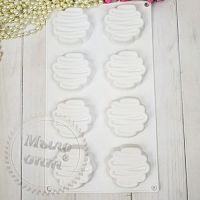


Shaping tools for baked treats and craft projects
This section covers cutters and press molds used to shape dough into consistent figures before baking, from simple round and geometric outlines to detailed gingerbread house panels, animals and holiday silhouettes. Materials range from stainless steel and tin cutters with sharp clean edges to flexible plastic and silicone molds that release dough without tearing the surface. Sizes span single small cutters for cookie decorating to large multi cavity trays for batch production.
These tools serve both home bakers preparing seasonal treats and confectionery workshops that need repeatable shapes across large batches. Beyond gingerbread and shortbread, the same cutters often double for fondant work, marzipan figures, clay modeling and other soft craft materials that hold an imprint. Buyers assembling a full set of forming tools sometimes also look at bath bomb molds or plastic soap molds for other pressed and cast shapes in their production line.
Material types and shape differences
Metal cutters, usually tin or stainless steel, give the sharpest edge and are the standard choice for cookie dough and gingerbread panels that need a crisp, defined outline. They work best for flat pieces cut from rolled dough, including house walls, roof panels and simple silhouettes.
Plastic and silicone plungers and cutters combine a cutting edge with an embossed stamp, so a single press both shapes the dough and adds a surface pattern. Character designs such as the Halo Kitty gingerbread cutter or the gingerbread cutting unicorn fall into this group, alongside multi piece kits like the cutting unicorn set, which covers several sizes of the same figure for layered or graduated designs.
Choosing a cutter and pairing it with other forming tools
The main choice comes down to dough thickness and detail level. Thin, crisp shapes with sharp corners call for a metal cutter, while soft materials such as fondant, marzipan or modeling clay respond better to flexible plastic or silicone edges that release without dragging or tearing the surface.
Because the cutting edge only defines an outline, workshops often combine these tools with other pressed or cast forms already in their inventory, from silicone forms used for three dimensional pieces to silicone molds for detailed relief work. A batch production line focused on baked goods frequently pairs cutters with silicone baking molds for the larger cavity pieces that a flat cutter cannot produce on its own.
Origin, storage and cross use with other craft lines
Cutters and press molds in this section are sourced from China, matching the origin of most other forming tools in the broader inventory range.
Metal pieces store best kept dry to avoid surface rust, while plastic and silicone cutters tolerate washing and repeated stacking without losing their edge definition. The same forming logic applies well beyond bakeries: a full pressed and cast shape lineup often extends toward candle molds for wax work, and toward soap bar molds where a workshop also produces bar shaped goods alongside its baked and confectionery lines.
FAQ
What is the difference between metal and plastic cutters for gingerbread shapes
Metal cutters, typically tin or stainless steel, hold a sharper edge and cut clean through firm dough, which suits detailed gingerbread panels. Plastic and silicone molds are gentler on softer dough, release shapes without tearing, and work well for repeated pressing across large batches.
Can these cutters and molds be used for materials other than cookie dough
Yes, the same shapes commonly work for fondant, marzipan, clay and other soft, moldable materials that hold an imprint well. Buyers building a broader forming toolkit often pair these with press molds meant for other cast or pressed shapes.
How do I choose the right size for batch production versus home baking
Single small cutters suit home decorating and low volume seasonal treats, while multi cavity trays are built for consistent output across large batches. Match the cavity count and panel size to your typical order volume to avoid reshaping dough by hand.
How should metal and silicone shaping tools be stored between uses
Metal cutters should be dried fully and kept away from moisture to prevent rust on the cutting edge. Silicone and plastic molds are flexible and stack easily, so store them flat or lightly nested to keep detailed panel edges from deforming over time.
Recommendations
Pick cutters and molds based on the detail level and batch size your work actually needs, sharp metal edges for fine gingerbread panels, flexible silicone or plastic for easier release across repeated pressing. Check cavity depth and panel size against your usual dough thickness before ordering a full set. Send your list of shapes and quantities by email and we will confirm availability and assembly timing for your order.



