-
 Absolutes
-
 Active Complexes
-
 Actives & Peptides
-
 Amino Acids & Proteins
-
 Food Flavors
-
 Ayurvedic Ingredients & Herbs
-
 Vitamins & Coenzymes
-
 Chocolate Making Supplies
-
 Thickeners & Gelling Agents
-
 Hydrosols & Floral Waters
-
 Hydrolyzed Proteins
-
 Fragrance Ingredients
-
 Nutraceutical Ingredients
-
 Acids, Salts, Alcohols & Alkalis
-
 Preservatives & Antioxidants
-
 Cosmetic Ingredients
-
 Colorants, Micas & Glitters
-
 Masks, Scrubs & Botanicals
-
 Oils & Butters
-
 Candle Making Supplies
-
 Melt and Pour Soap Bases
-
 Cream, Lotion & Hair Care Bases
-
 Fragrance Oils & Industrial Aromatics
-
 Cleansing Agents & Surfactants
-
 Peeling Actives & Acids
-
 Cosmetic Powders
-
 Solvents & Humectants
-
 Silicones & Conditioning Agents
-
 Bottles, Jars & Vials
-
 Silicone & Plastic Molds, Tools
-
 Botanical Extracts
-
 Cosmetic Emollients
-
 Emulsifiers
-
 Essential Oils
- Silicone geometric molds 11
- Wooden molds for soap 9
- Fondant Tools 9
- Compound for molds 35
- Metal baking molds 27
- World of Forms 286
- Silicone Molds 72
- Plastic chocolate molds 128
- Plungers and Cutters 40
- Silicone Portion Molds 20
- Silicone 3D Molds 712
- Silicone Baking Molds 36
- Silicone soap loaf molds 6
- Bath bomb molds 13
- Candy Molds 118
- Plastic soap molds 274
- Candle Molds 51
- Silicone 3D Luxury Molds 711
- Silicone forms 241
- Silicone mold trays for baking 218
- Soap stamps 38
- Plastic soap molds wholesale 9
- Paper baking molds 22
- Cookie cutters and gingerbread molds 61
- Mousse cake and dessert molds 8
- Cheese molds 5


Silicone geometric molds

 Add to cart

 Subscribe


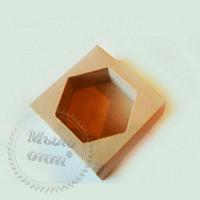

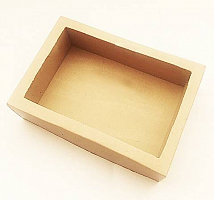
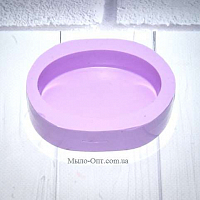


Shapes and pouring formats for handmade and industrial batches
Silicone geometric molds are reusable forming tools with faceted cavities such as cubes pyramids hexagons and diamonds, used to shape poured mixtures into precise repeatable pieces. The flexible silicone body allows easy release of the finished piece without cracking edges or losing sharp geometric lines. This section covers a range of shapes and cavity counts suited to different production volumes.
These molds work with a wide range of poured and set compositions, from solid cosmetic bars to bath products, wax pieces and decorative resin or plaster elements. The sharp geometric detailing holds fine texture and clean corners better than flexible round shapes, which matters when a consistent visual result is the goal across a full batch. For softer curved silhouettes rather than faceted edges, the bath bomb molds section offers rounded and hemisphere options, while rigid plastic alternatives are available among plastic soap molds for buyers who prefer a firmer shell during unmolding.
Cavity styles and how they differ
Geometric molds in this section vary by facet type, cavity count and overall size, which changes both the finished look and the output per pour. Cube and hexagon cavities give flat, sharp faces that photograph well and stack cleanly for retail display, while pyramid and diamond cuts create angled facets that catch light differently across each piece. Multi-cavity sheets speed up batch work for larger runs, while single or low-count trays suit small test batches or one-off decorative pieces where precision matters more than speed.
Buyers who need flatter panel shapes with more surface area, closer to a slab than an individual piece, often look at silicone forms or the general silicone molds range, which covers broader cavity layouts beyond strict geometric faceting. For high-volume production where uniform bars are poured in sheet trays rather than individual cavities, the silicone baking molds section offers a larger format built for that kind of throughput.
Choosing a mold and pairing it with your mixture
The right cavity size depends on the density and set time of the poured composition rather than the mold material alone. Thicker, slower-setting mixtures generally hold sharp geometric corners better than thin, fast-setting pours, which tend to round off fine edges before the piece firms up. Cavity depth also matters: deeper geometric shapes need a mixture that supports its own weight during setting, while shallow cavities are more forgiving for lighter or more fluid blends.
These molds are often used alongside separate finishing tools rather than as a complete system on their own. Producers working with layered or textured designs frequently pair geometric cavities with plungers and cutters for surface detailing, or with fondant tools when fine embossing or edge finishing is needed after unmolding. For projects centered on wax rather than poured cosmetic or decorative bases, the candle molds section is built specifically around wick placement and heat tolerance.
Formats, portioning and storage
Within this category, formats range from single large geometric cavities to multi-piece portion trays designed for consistent unit sizes across a batch. Buyers producing individually wrapped or gifted pieces often prefer the smaller, repeated cavity layouts found in silicone portion molds, while those aiming for a single statement piece look toward larger single-cavity designs. For more elaborate multi-layer or highly detailed decorative work, the silicone 3D luxury molds range extends the geometric concept into more intricate three-dimensional forms.
Silicone cavities should be stored flat or gently stacked, away from sharp objects that could puncture thin walls between cavities, and away from prolonged direct heat that can distort facet edges over time. Washing between uses helps prevent residue buildup in fine corners, which is where geometric shapes lose definition fastest if left uncleaned.
FAQ
What are geometric silicone molds used for
They shape poured mixtures into faceted forms like cubes, pyramids and hexagons. Common uses include solid cosmetic bars, bath products, wax pieces and decorative resin or plaster elements where sharp edges and clean geometric lines are the desired result.
How many cavities do geometric molds usually have
Cavity count varies by mold, from single large pieces to multi cavity trays for batch production. Smaller workshops often choose fewer cavities per mold for flexibility, while larger production runs benefit from higher cavity counts to reduce pouring cycles.
Can geometric silicone molds be reused many times
Yes, the flexible silicone body is designed for repeated use across many pouring cycles. Proper cleaning and gentle handling during unmolding help preserve sharp facets and cavity detail over a long working life.
What is the difference between silicone and plastic geometric molds
Silicone molds flex during release, which protects sharp corners and fine texture on faceted designs. Plastic molds offer a firmer shell during setting, which some buyers prefer for certain pour consistencies, though release can be less forgiving on detailed edges.
Recommendations
When choosing a geometric mold, match the cavity size and facet style to the finished piece you plan to produce, and consider cavity count based on your typical batch volume. Check that the mold depth suits your pouring mixture and that facet sharpness fits the visual result you need. For questions on selecting a shape or arranging a bulk order, reach out by email and our team will help confirm the right option.



