-
 Absolutes
-
 Active Complexes
-
 Actives & Peptides
-
 Amino Acids & Proteins
-
 Food Flavors
-
 Ayurvedic Ingredients & Herbs
-
 Vitamins & Coenzymes
-
 Chocolate Making Supplies
-
 Thickeners & Gelling Agents
-
 Hydrosols & Floral Waters
-
 Hydrolyzed Proteins
-
 Fragrance Ingredients
-
 Nutraceutical Ingredients
-
 Acids, Salts, Alcohols & Alkalis
-
 Preservatives & Antioxidants
-
 Cosmetic Ingredients
-
 Colorants, Micas & Glitters
-
 Masks, Scrubs & Botanicals
-
 Oils & Butters
-
 Candle Making Supplies
-
 Melt and Pour Soap Bases
-
 Cream, Lotion & Hair Care Bases
-
 Fragrance Oils & Industrial Aromatics
-
 Cleansing Agents & Surfactants
-
 Peeling Actives & Acids
-
 Cosmetic Powders
-
 Solvents & Humectants
-
 Silicones & Conditioning Agents
-
 Bottles, Jars & Vials
-
 Silicone & Plastic Molds, Tools
-
 Botanical Extracts
-
 Cosmetic Emollients
-
 Emulsifiers
-
 Essential Oils
- Silicone geometric molds 11
- Wooden molds for soap 9
- Fondant Tools 9
- Compound for molds 35
- Metal baking molds 27
- World of Forms 286
- Silicone Molds 72
- Plastic chocolate molds 128
- Plungers and Cutters 40
- Silicone Portion Molds 20
- Silicone 3D Molds 712
- Silicone Baking Molds 36
- Silicone soap loaf molds 6
- Bath bomb molds 13
- Candy Molds 118
- Plastic soap molds 274
- Candle Molds 51
- Silicone 3D Luxury Molds 711
- Silicone forms 241
- Silicone mold trays for baking 218
- Soap stamps 38
- Plastic soap molds wholesale 9
- Paper baking molds 22
- Cookie cutters and gingerbread molds 61
- Mousse cake and dessert molds 8
- Cheese molds 5
Candy Molds
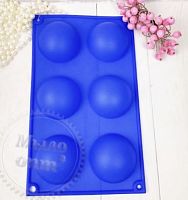
 Add to cart

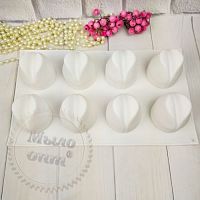
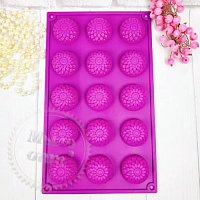
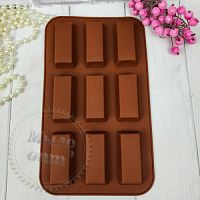
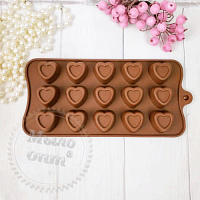
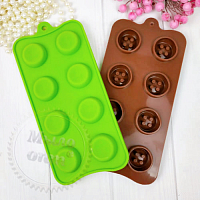
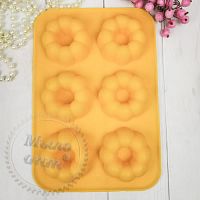
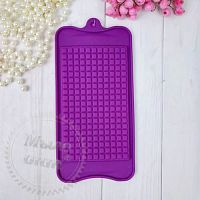
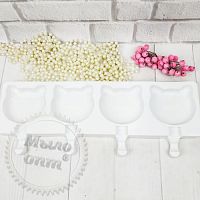
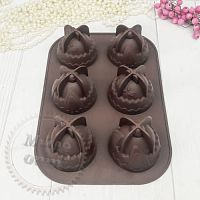
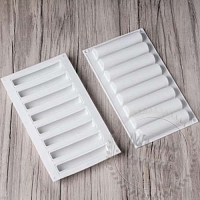


Silicone and plastic molds for shaping sweets and decorative pieces
This section brings together silicone and plastic candy molds used to shape chocolate, marmalade, caramel, gummies and other confectionery items. The range covers geometric cavities, figurines, seasonal shapes and detailed relief patterns suited to both hand-poured treats and small-batch workshop output.
Confectioners rely on these molds for tempered chocolate bars, filled pralines, hard candy and layered desserts, while the same cavity shapes often double for cosmetic and craft projects such as lotion bars or decorative wax pieces. Buyers who also work with bath cosmetics frequently pair these with bath bomb molds for a broader shaping toolkit, and soap makers looking for a similar format can check the plastic soap molds section as well.
Material choice affects release quality and durability: flexible silicone suits intricate details and repeated use, while rigid plastic molds are often preferred for uniform, high-volume shapes in production settings.
Types and construction differences
Within this group you will find deep three dimensional cavities for figurines and bars, shallow relief trays for thin chocolate pieces, and multi cavity sheets designed for consistent batch output. Silicone versions flex easily for clean release of undercuts and fine detail, which suits pralines, layered bars and pieces with sharp edges, such as the New Year chocolate mold or a themed piece like the Peru chocolate mold. Rigid plastic cavities hold their shape under repeated filling and are often chosen where uniform thickness matters more than intricate texture. Buyers working mainly with sheet style trays for cookies or bars sometimes prefer the wider format offered in large silicone baking molds, while smaller cavity sets sit closer to the classic silicone forms range.
Choosing a mold and combining it with other tools
Selection usually comes down to cavity depth, detail level and how the piece will be finished. Fine relief and glossy surfaces favor flexible silicone, while flat bottomed cavities in rigid plastic help keep bars level for stacking or wrapping. The same shaping logic extends beyond confectionery: bakers pair these cavities with the silicone molds line for portioned desserts, while crafters use comparable cavities for solid wax or resin pieces. If a project needs sharper cutout edges rather than a full cavity shape, plungers and cutters are a common addition to the toolkit. For candle projects, dedicated candle molds handle wick placement better than a standard confectionery cavity, and for soap the format overlaps closely with the plastic soap mold range mentioned earlier.
Origin, care and current additions
Molds in this section are sourced from Poland, with cavity finishes designed to withstand repeated tempering cycles without dulling. Silicone pieces should be stored flat to avoid warping fine detail, while rigid plastic molds stack more easily for shelf storage. Buyers looking for higher relief detail and sculptural finishes can also compare the silicone 3D luxury molds, which extend the same shaping principle toward more decorative, display ready pieces.
FAQ
What is the difference between silicone and plastic candy molds
Silicone molds are flexible, which makes unmolding intricate or layered shapes easier and allows repeated use without cracking. Rigid plastic molds hold their shape under pressure and suit uniform, high-volume production, though they can be harder to release delicate details from without breakage.
Can these molds be used for anything besides chocolate and candy
Yes. The same cavity shapes are often used for lotion bars, decorative wax pieces, and other small cast items beyond confectionery. Some buyers also use similar geometric or figurine formats for craft projects, since the mold itself is simply a shaping tool rather than a food-only item.
How should silicone and plastic molds be stored between uses
Store molds flat or upright in a dust-free container away from direct heat and sunlight, which can warp plastic over time. Clean and fully dry molds before storage to prevent residue buildup that affects release quality on the next use.
Do these molds work for both hand-poured and workshop-scale batches
Yes, the range includes shapes suited to both small hand-poured treats and higher-volume workshop output. Deeper three dimensional cavities and figurine shapes work well for individual pieces, while trays with repeated cavities speed up batch production.
Recommendations
When choosing a mold, match the cavity depth and detail level to your recipe: soft fillings and layered pieces often release more cleanly from silicone, while firm tempered chocolate can work well in either material. Check cavity size against your intended portion weight before ordering a full batch. If you need help comparing formats or confirming quantities for a production run, reach out by email and we will help you pick the right fit.



