
-
 DIY: Video master classes
-
 Aromatherapy
-
 Felting master classes
-
 Eating at home
-
 DIY cosmetics for children
-
 Cooking recipes
-
 Detergents, cleaning products with your own hands
-
 Soap making as a business
-
 Natural cosmetics. Raw materials for cosmetics and soap.
-
 Natural oils in cosmetics
-
 News
-
 Recipes for balms and conditioners
-
 Bath Bomb Recipes
-
 Cream recipes. Cream making.
-
 Lotion recipes. Gel recipes.
-
 Mask recipes
-
 Soap recipes. Base soap. Soap from scratch.
-
 Recipes for all occasions
-
 Natural shampoo recipes
-
 Healthy Nutrition Recipes
-
 Scrub recipes. Massage tiles. Ubtan
-
 DIY candles
-
 Reference materials, questions, tips
-
 Startup - soap production
-
 Hair care. Tips, recipes
-
 Facial skin care. Cleansers.
-
 Body care. Tips, recipes
-
 Photo Reviews
-
 Chocolate Handmade
Building a Reed Diffuser Product Line for Winter Corporate Gifting
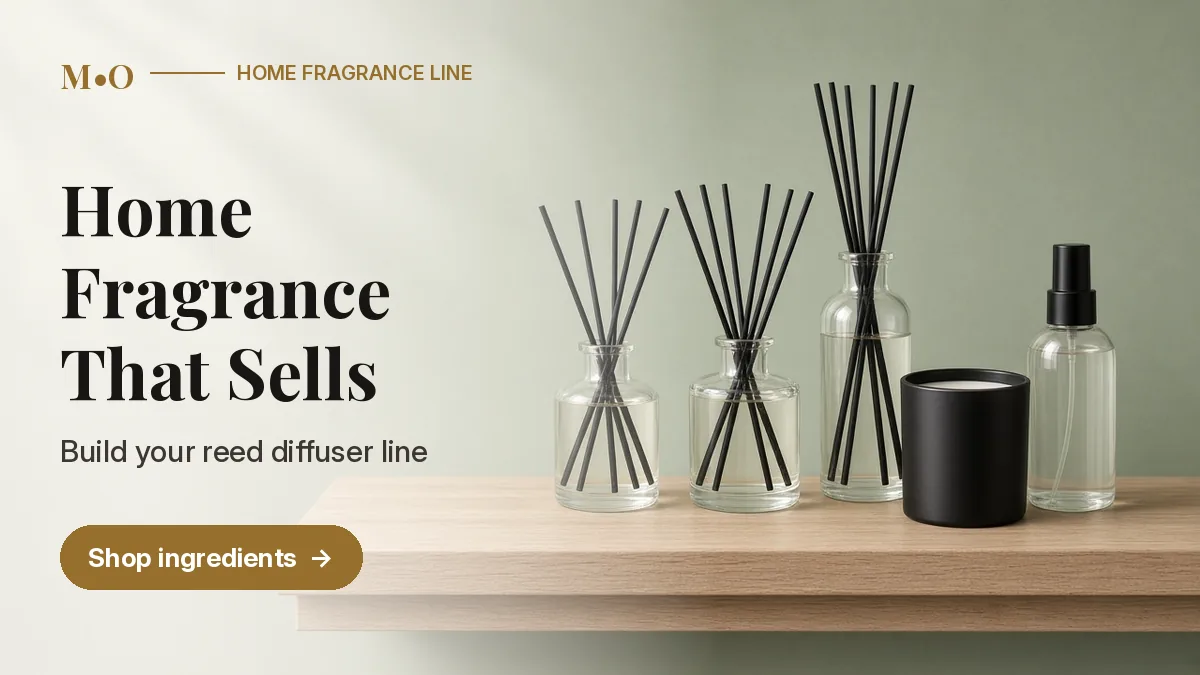
Reed diffusers continue to gain attention as thoughtful corporate gifts and everyday home accents. Brands that plan their winter collections around reliable formats and seasonal scents position themselves well for the 2026 holiday period. Trend reports for autumn-winter 2026 show growing interest in calm, low-maintenance fragrance options that deliver steady scent without flames or electricity.
Creating a focused product line starts with clear decisions on bottle sizes, scent families, and performance details. Retail and wholesale customers both look for consistent results, attractive presentation, and easy reordering. Explore diffuser bottles and reeds early in the planning process to match your target gift volumes and retail displays.
Selecting Product Formats That Fit Gift and Retail Needs
Smaller 100 ml kits work well for individual corporate gifts while larger 160 ml bottles suit home use or premium bundles. The compact size keeps shipping costs reasonable and allows brands to offer sets of two or three diffusers in one presentation box. Many makers begin with the 100 ml kit and later expand to the 160 ml option once they test market response. Choosing the right size also depends on the intended room volume, as smaller units suit desks and entryways while larger ones handle living areas effectively.
Consistency across the range helps customers recognize the line at a glance. Matching reed styles and cap finishes across sizes creates a cohesive look that feels intentional rather than assembled. This approach supports both single-unit sales and multi-piece corporate orders without requiring separate design work for each size. Testing different cap materials early reveals which options resist leakage during transit and maintain an upscale appearance on shelves.
Winter Scent Families That Perform Well in Cold Months
Warm, comforting notes tend to sell strongly from October through February. White tea paired with ginger offers a clean yet spicy profile that feels refreshing without being too light for winter interiors. Coffee and cinnamon deliver a richer, dessert-like experience that many people associate with cozy evenings at home. These profiles hold up well in cooler temperatures where lighter citrus notes might fade quickly.
These two directions complement each other in a small collection. One leans fresh and uplifting while the other feels indulgent and grounding. Both travel well in closed bottles and maintain their character when diluted in a diffuser base, making them reliable choices for those new to creating home fragrance products. Pairing them with subtle woody or vanilla undertones can further extend their appeal across different customer preferences without complicating inventory.
Performance Factors That Influence Reed Diffuser Results
The choice of base affects how evenly the scent travels through the reeds and into the room. A properly balanced base keeps the fragrance oil suspended and prevents the reeds from clogging too quickly. Fill level also matters: leaving a small air gap at the top of the bottle allows the reeds to draw liquid steadily without overflow during transport. Monitoring room humidity helps predict how quickly the liquid level drops in different climates.
Reed count directly influences throw. Most 100 ml bottles perform best with 6 to 8 reeds, while 160 ml bottles benefit from 8 to 10 reeds for balanced diffusion. Rotating the reeds every two weeks refreshes the scent output and extends the life of each unit, an important detail to communicate to end customers. Experimenting with reed thickness reveals that wider reeds increase initial output but may require more frequent replacement in high-traffic spaces.
Creating a Simple Reed Diffuser Blend
A straightforward winter diffuser composition uses measured amounts that add up cleanly and remain stable in storage. The following approach keeps fragrance load within the typical 15% to 25% range recommended for reed systems. Always measure by weight for accuracy and record each batch to maintain consistency across production runs.
Base Blend for 100 ml Bottles
Combine 80 g of diffuser base with 20 g of fragrance oil. Stir gently until the mixture appears uniform. Pour into the chosen bottle, insert the reeds and allow the unit to rest upright for several hours before sealing for shipment. This ratio delivers noticeable scent without overwhelming small spaces. Checking the clarity of the finished liquid before bottling prevents any separation issues later.
Adjusting for Larger Bottles
Scale the same proportions for 160 ml bottles by using 128 g of diffuser base and 32 g of fragrance oil. The increased volume supports longer reed contact time and suits rooms with higher ceilings. Always test a single unit first to confirm the throw matches your brand standards before producing larger batches. Adjusting reed quantity slightly for each size ensures even performance without excess waste.
White tea and ginger fragrance oil and coffee and cinnamon fragrance oil both integrate smoothly into this base at the 20% level. The resulting blends remain clear and do not separate during normal storage conditions.
Packaging Choices and Bulk Bottle Sourcing
Corporate gift buyers often request neutral or minimalist packaging that can be customized with a small tag or ribbon. Matte black or frosted glass bottles paired with natural rattan reeds create an understated luxury appearance that works across many brand aesthetics. Sourcing consistent packaging in advance prevents delays when holiday orders arrive. Matching outer cartons to bottle finishes further elevates the unboxing experience for recipients.
Bulk diffuser bottles and reeds allow studios and brands to maintain inventory without tying up capital in small retail packs. Working with a single supplier for both bottles and reeds simplifies quality control and ensures color and finish matching across the entire order. 100 ml diffuser kit and 160 ml Dionysus bottle provide two core sizes that cover most gift and retail scenarios. Evaluating sample shipments helps confirm that closures remain secure through multiple handling stages.
How to Choose Ingredients for Reliable Performance
Selecting a diffuser base requires attention to viscosity and compatibility with chosen fragrance oils. Bases that remain fluid at room temperature support steady capillary movement through reeds without leaving residue. Testing small trial batches with each new fragrance oil reveals whether adjustments to the ratio are needed for optimal clarity and throw.
Fragrance oils should be evaluated for their behavior in the final mixture rather than scent alone. Some winter profiles benefit from a slightly higher load while others perform best near the lower end of the recommended range. Keeping detailed notes on each trial helps replicate successful results when scaling up production for corporate orders.
Storage, Stability and Shipping Considerations
Proper storage protects both the base and fragrance oils from temperature swings that could affect clarity or scent strength. Keeping components in a cool, dark area away from direct light preserves their quality over several months. Labeling each container with the preparation date supports rotation of stock and prevents use of older material in new batches.
When preparing units for shipping, secure the bottle opening with an inner seal before adding the outer cap. This extra step reduces leakage risk during transit and maintains presentation quality upon arrival. Including a brief care card with each diffuser educates recipients on reed rotation and placement for best results in their own spaces.
Order your diffuser components and fragrance oils to begin testing blends for the upcoming winter collection.
Studios, makers and brands can request volume packs, price on request on diffuser bottles, reeds and fragrance oils for larger production runs.
Frequently Asked Questions
How long does a typical reed diffuser last?
With proper reed rotation a 100 ml unit usually provides scent for six to eight weeks in average room conditions.
Can I mix different fragrance oils in one bottle?
Yes, many makers create custom winter blends by combining compatible notes such as white tea and ginger with subtle woody accents before adding the base.
What base works best for reed diffusers?
A low-viscosity diffuser base keeps fragrance suspended and allows steady capillary action through the reeds without clogging.
Are larger bottles suitable for corporate gifts?
The 160 ml size works well for premium or group gifts when presented in a simple gift box with a branded card.





