-
 DIY: Video master classes
-
 Aromatherapy
-
 Felting master classes
-
 Eating at home
-
 DIY cosmetics for children
-
 Cooking recipes
-
 Detergents, cleaning products with your own hands
-
 Soap making as a business
-
 Natural cosmetics. Raw materials for cosmetics and soap.
-
 Natural oils in cosmetics
-
 News
-
 Recipes for balms and conditioners
-
 Bath Bomb Recipes
-
 Cream recipes. Cream making.
-
 Lotion recipes. Gel recipes.
-
 Mask recipes
-
 Soap recipes. Base soap. Soap from scratch.
-
 Recipes for all occasions
-
 Natural shampoo recipes
-
 Healthy Nutrition Recipes
-
 Scrub recipes. Massage tiles. Ubtan
-
 DIY candles
-
 Reference materials, questions, tips
-
 Startup - soap production
-
 Hair care. Tips, recipes
-
 Facial skin care. Cleansers.
-
 Body care. Tips, recipes
-
 Photo Reviews
-
 Chocolate Handmade


How to Create a Vitamin C Serum for Different Skin Types
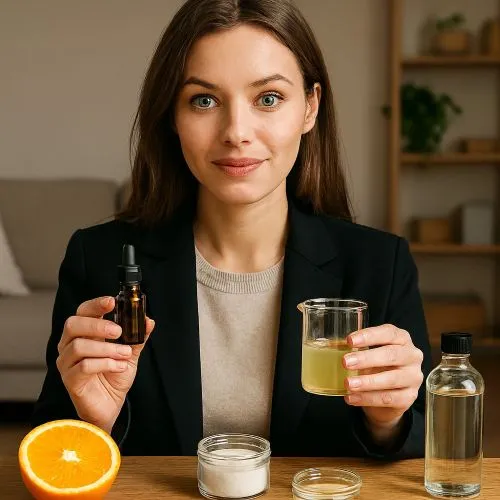 Vitamin C is a legendary ingredient in the world of skincare celebrated for its ability to brighten the complexion stimulate collagen production and protect against environmental damage. However finding the perfect vitamin C serum can be a challenge because the most potent form L ascorbic acid is notoriously unstable. Industrial analogs often sit on store shelves for months becoming oxidized and losing their effectiveness before they even reach your skin.
By learning how to create a vitamin C serum for different skin types you ensure that your product is fresh potent and specifically tailored to your unique needs. Creating your own serum at home allows you to control the concentration avoid harsh preservatives and utilize the most active forms of the vitamin at their peak stability.
Beneficial Properties and Technical Nuances
Vitamin C acts as a powerful antioxidant that neutralizes free radicals caused by UV exposure and pollution. It inhibits melanin production which helps fade dark spots and evening out skin tone. Furthermore it is a critical cofactor for the synthesis of collagen which maintains skin elasticity and reduces the appearance of fine lines.
The main technical challenge is that vitamin C is sensitive to light air and heat. It also requires a specific acidity level to penetrate the skin barrier effectively. For L ascorbic acid to be absorbed the pH of the serum should be between two and a half and three and a half. If the pH is too high the serum will not work. If it is too low it may cause irritation.
Advantages Over Industrial Analogs
Most commercial vitamin C serums are expensive due to the stabilization technologies required for long shelf lives. Many brands use derivatives of vitamin C which are more stable but less effective than pure L ascorbic acid. Additionally industrial serums often contain silicones and synthetic thickeners that can clog pores or interfere with the absorption of other skincare products.
When you prepare a fresh batch at home you are using a serum that has zero oxidation. You can see this by the color the serum should be completely clear. If a vitamin C serum is yellow or orange it has oxidized and may actually cause oxidative stress to your skin. Homemade serums are also significantly more cost effective allowing you to use high quality ingredients without the retail markup.
Recipe for Sensitive Skin Gentle Sodium Ascorbyl Phosphate Serum
For those with sensitive skin pure L ascorbic acid can be too tingly or irritating. This recipe uses Sodium Ascorbyl Phosphate which is a stable water soluble derivative that is much gentler on the skin.
Ingredients Ninety milliliters of distilled water five grams of Sodium Ascorbyl Phosphate powder five milliliters of vegetable glycerin five milliliters of aloe vera concentrate.
Step One Pour the distilled water into a clean glass beaker or jar. Step Two Add the Sodium Ascorbyl Phosphate powder and stir gently with a glass rod until it is completely dissolved. Step Three Incorporate the vegetable glycerin which acts as a humectant to keep the skin hydrated. Step Four Add the aloe vera concentrate to soothe the skin and provide additional antioxidants. Step Five Stir the mixture until it is homogeneous and clear. Step Six Transfer the serum into a dark amber glass bottle with a dropper and store it in a cool place.
Recipe for Oily and Acne Prone Skin Brightening Oil Free Serum
This formula focuses on high potency L ascorbic acid combined with soothing ingredients that do not add extra weight or oil to the skin.
Ingredients Eighty milliliters of rose water ten grams of L ascorbic acid powder ultra fine five milliliters of witch hazel extract five milliliters of panthenol vitamin B5.
Step One Measure out the rose water which helps balance the skin pH and provides a light natural fragrance. Step Two Add the ultra fine L ascorbic acid powder to the rose water. Using ultra fine powder ensures it dissolves quickly without grittiness. Step Three Stir the solution until the powder is entirely invisible and the liquid is transparent. Step Four Mix in the witch hazel extract which acts as a natural astringent to help refine pores. Step Five Add the panthenol to help repair the skin barrier and reduce potential redness from the acidity of the vitamin C. Step Six Pour the finished serum into an opaque bottle and keep it in the refrigerator for maximum freshness.
Recipe for Dry and Mature Skin Nourishing Glow Serum
This recipe combines vitamin C with vitamin E and ferulic acid. This classic combination increases the stability and effectiveness of vitamin C while providing a rich moisturizing base.
Ingredients Seventy milliliters of distilled water ten grams of L ascorbic acid five milliliters of vitamin E oil five milliliters of ferulic acid dissolved in a small amount of propanediol ten milliliters of hyaluronic acid solution.
Step One Dissolve the ferulic acid powder into the propanediol first as it does not dissolve easily in water. Step Two In a separate container dissolve the L ascorbic acid into the distilled water. Step Three Combine the ferulic acid solution with the vitamin C water and stir well. Step Four Add the vitamin E oil. Since oil and water do not mix you will need to shake this serum before every use. Step Five Stir in the hyaluronic acid solution to provide deep hydration and a slightly thicker texture. Step Six Bottle the serum in a small dark container and store it away from direct sunlight.

Detailed Recommendations for Use and Storage
To get the best results from your homemade vitamin C serum you must follow strict application and storage rules.
Vitamin C should ideally be used in the morning. While it does not make your skin sun sensitive like retinol it actually boosts the effectiveness of your sunscreen by neutralizing the free radicals that UV rays generate. Apply a few drops to clean dry skin before your moisturizer and SPF.
Storage is the most important factor for homemade serums. Because these recipes do not contain strong synthetic preservatives they have a shorter shelf life. A fresh batch of L ascorbic acid serum typically lasts for seven to ten days. Keeping the serum in the refrigerator significantly slows down the oxidation process. If you notice the serum starting to turn a pale yellow discard it and make a fresh batch.
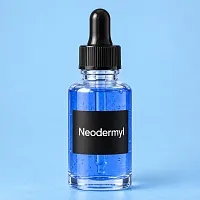
Always use dark glass containers. Amber or cobalt blue glass blocks the light waves that cause vitamin C to degrade. Ensure the cap is tightened immediately after use to minimize exposure to oxygen.
Final Thoughts on Homemade Skincare
Mastering the creation of a vitamin C serum allows you to provide your skin with the freshest and most active antioxidants possible. By choosing the right recipe for your skin type you minimize irritation and maximize results. This artisanal approach to beauty not only saves money but also gives you a deeper understanding of the ingredients you apply to your body every day.
Freshness is the ultimate luxury in skincare. When you make your own serum you are using a product at its peak biological activity which is something even the most expensive store bought serums cannot always guarantee.


Cosmetic ingredients and professional formulation blog
This section features expert materials on modern cosmetic actives. We cover peptides, polynucleotides PDRN, different forms of hyaluronic acid, retinoids, ceramides and other key components.
Special focus is given to active stability, ingredient compatibility and correct incorporation into formulas. You will find practical guides on working with anti-age actives, moisturizing complexes and barrier repair ingredients.
We examine how to properly combine myorelaxants with peptides, common mistakes when using unstable vitamin C forms and ways to improve the performance of moisturizing actives.
Separate materials are dedicated to base oils, extracts, emulsifiers and supporting ingredients. This helps create stable and effective formulas for both professional and home cosmetics.
The blog regularly publishes reviews of trending actives, comparisons of similar ingredients and step-by-step formulation recommendations. The content is aimed at formulators, technologists and anyone seriously involved in creating cosmetic products.
Why this blog is useful
Here you will find practical data on eye area care actives, lifting systems and ingredients that improve skin firmness and tone. We rely on real formulation experience and address the actual challenges that arise during product development.
You can also explore materials on skin protection and repair, depigmentation and anti-inflammatory actives. This approach supports a more systematic selection of ingredients.
FAQ
What topics are covered most often
The blog focuses on peptides, PDRN, hyaluronic acid of different molecular weights, retinoids, ceramides and their compatibility rules.
Are there practical recommendations on how to incorporate actives
Yes, most articles include practical notes on pH stability, incorporation temperature and common formulation mistakes.
Is the content only for professionals
The materials are useful both for formulators and technologists and for those who create cosmetics for personal use and want to understand how modern ingredients work.
Where can I go directly to the ingredients
All key actives are collected in the Actives section, while base components are available in base oils and related categories.