-
 DIY: Video master classes
-
 Aromatherapy
-
 Felting master classes
-
 Eating at home
-
 DIY cosmetics for children
-
 Cooking recipes
-
 Detergents, cleaning products with your own hands
-
 Soap making as a business
-
 Natural cosmetics. Raw materials for cosmetics and soap.
-
 Natural oils in cosmetics
-
 News
-
 Recipes for balms and conditioners
-
 Bath Bomb Recipes
-
 Cream recipes. Cream making.
-
 Lotion recipes. Gel recipes.
-
 Mask recipes
-
 Soap recipes. Base soap. Soap from scratch.
-
 Recipes for all occasions
-
 Natural shampoo recipes
-
 Healthy Nutrition Recipes
-
 Scrub recipes. Massage tiles. Ubtan
-
 DIY candles
-
 Reference materials, questions, tips
-
 Startup - soap production
-
 Hair care. Tips, recipes
-
 Facial skin care. Cleansers.
-
 Body care. Tips, recipes
-
 Photo Reviews
-
 Chocolate Handmade


Hyaluronic acid: types, forms, and cosmetic recipes
 Hyaluronic acid has revolutionized the modern skincare industry becoming the gold standard for hydration and anti aging treatments. This naturally occurring polysaccharide is found within the human body specifically in the connective tissues and skin where it serves as a primary moisture reservoir. A single molecule of hyaluronic acid can hold up to one thousand times its weight in water making it an unparalleled humectant for maintaining skin turgor and elasticity.
As we age the natural production of hyaluronic acid declines leading to visible signs of dehydration such as fine lines loss of volume and a dull complexion. Incorporating this active ingredient into your daily routine helps restore the moisture balance and strengthens the skin protective barrier. In this comprehensive guide we will explore the different molecular weights of this substance and provide professional grade recipes for creating your own high performance skincare at home.
Understanding the Different Forms of Hyaluronic Acid
To achieve the best results it is crucial to distinguish between the various forms of hyaluronic acid based on their molecular weight.
High molecular weight hyaluronic acid consists of large molecules that remain on the surface of the skin. It forms a breathable invisible film that prevents transepidermal water loss and provides an immediate smoothing and lifting effect. This form is excellent for protecting the skin from environmental stressors throughout the day.
Low molecular weight hyaluronic acid has a much smaller structure allowing it to bypass the epidermal barrier and penetrate into the deeper layers of the dermis. It works from within to stimulate the body own collagen and elastin production providing long term rejuvenation and structural repair.
Sodium Hyaluronate is the salt form of hyaluronic acid. It is the most common version used in DIY cosmetics because of its high stability and ease of dissolution in water based formulas. It is highly effective at delivering moisture deep into the skin tissue.
Advantages of Handmade Hyaluronic Cosmetics Over Industrial Analogs
Many industrial skincare products contain only a symbolic amount of hyaluronic acid often less than zero point one percent simply to justify marketing claims. By formulating your own serums and creams you gain full control over the concentration and quality of the ingredients.
First you can use professional working concentrations usually between one and two percent which guarantees visible results. Second you avoid the use of silicones parabens and synthetic fragrances that mass market manufacturers add to improve texture or shelf life but which can clog pores or cause allergic reactions. Third the cost of a high quality handmade serum with premium ingredients is significantly lower than a luxury brand product of similar efficacy.
Nuances of Preparation and Working with Powder
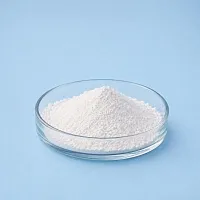
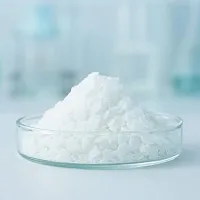
Working with hyaluronic acid powder requires patience and specific techniques. When the powder first touches water it does not dissolve instantly but forms small gelatinous clumps. This is a normal part of the hydration process. The best method is to allow the mixture to sit in a refrigerator for several hours or overnight. During this time the powder will fully hydrate and form a crystal clear uniform gel.
Always use distilled or demineralized water for your formulations. Ordinary tap water contains minerals and salts that can interfere with the gel structure and reduce its hydrating capacity. Maintaining a sterile environment for your tools and containers is also essential to ensure the longevity of your handmade products.
Recipe One Deep Hydration Booster Serum
This universal serum is suitable for all skin types and provides an intensive moisture surge for a plumper appearance.
Ingredients Forty nine milliliters of distilled water zero point five grams of low molecular weight hyaluronic acid powder zero point five grams of high molecular weight hyaluronic acid powder and two drops of a broad spectrum cosmetic preservative.
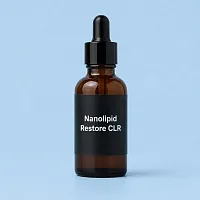
Step one Pour the distilled water at room temperature into a clean glass beaker. Step two Evenly sprinkle both types of hyaluronic acid powder over the surface of the water without stirring immediately. Step three Cover the beaker and place it in the refrigerator for six to eight hours to allow for natural hydration. Step four Once the gel is clear and uniform stir gently with a glass rod to ensure even distribution. Step five Add the cosmetic preservative and stir one final time to stabilize the formula. Step six Transfer the serum into a dark glass dropper bottle and apply to damp skin twice daily.
Recipe Two Refreshing Eye Contour Fluid
This lightweight fluid is designed to smooth fine lines and reduce signs of fatigue around the delicate eye area.
Ingredients Thirty milliliters of cornflower hydrosol zero point three grams of low molecular weight hyaluronic acid five milliliters of squalane oil and one drop of panthenol.
Step one Dissolve the hyaluronic acid in the cornflower hydrosol using the cold hydration method mentioned in the previous recipe. Step two Add the panthenol once the gel is clear to provide extra soothing and regenerative properties to the skin. Step three Introduce the squalane oil which helps seal in the moisture and softens the fine lines. Step four Shake the bottle vigorously for one minute to create a light emulsion. Step five Check that the texture is non greasy and absorbs quickly into the skin. Step six Use the fluid every morning by gently tapping it around the orbital bone with your ring finger.
Recipe Three Night Recovery Cinderella Mask
This overnight mask works while you sleep to restore skin brightness and elasticity.
Ingredients Fifty grams of pure aloe vera gel one gram of sodium hyaluronate powder three drops of Vitamin E oil and two drops of lavender essential oil.

Step one Use high quality aloe vera gel as your primary active base. Step two Gradually whisk the sodium hyaluronate powder into the gel until it is fully incorporated. Step three Add the Vitamin E oil to provide antioxidant protection and improve skin repair during the night. Step four Stir in the lavender essential oil for a calming effect on both the skin and the senses. Step five Mix all components until the mask has a thick stable and uniform consistency. Step six Apply a thick layer to the face one hour before bed twice a week without rinsing off the excess.
Recommendations for Application and Storage
The most important rule for using hyaluronic acid is to always apply it to damp skin. If you apply a hyaluronic serum to a dry face in an environment with low humidity the acid may pull moisture out of the deeper layers of your skin resulting in a paradoxical drying effect. Always follow your serum with a moisturizer or facial oil to lock the hydration in place.
Store your handmade cosmetics in a cool dark place. Hyaluronic acid is sensitive to direct sunlight and high temperatures which can degrade its molecular structure. With a preservative your products will typically remain stable for three months. If you notice any cloudiness a change in color or an unusual odor discard the product immediately and prepare a fresh batch.
For the best results combine different molecular weights in your routine. High molecular weight forms protect your skin during the day while low molecular weight forms provide long term repair at the cellular level.


Cosmetic ingredients and professional formulation blog
This section features expert materials on modern cosmetic actives. We cover peptides, polynucleotides PDRN, different forms of hyaluronic acid, retinoids, ceramides and other key components.
Special focus is given to active stability, ingredient compatibility and correct incorporation into formulas. You will find practical guides on working with anti-age actives, moisturizing complexes and barrier repair ingredients.
We examine how to properly combine myorelaxants with peptides, common mistakes when using unstable vitamin C forms and ways to improve the performance of moisturizing actives.
Separate materials are dedicated to base oils, extracts, emulsifiers and supporting ingredients. This helps create stable and effective formulas for both professional and home cosmetics.
The blog regularly publishes reviews of trending actives, comparisons of similar ingredients and step-by-step formulation recommendations. The content is aimed at formulators, technologists and anyone seriously involved in creating cosmetic products.
Why this blog is useful
Here you will find practical data on eye area care actives, lifting systems and ingredients that improve skin firmness and tone. We rely on real formulation experience and address the actual challenges that arise during product development.
You can also explore materials on skin protection and repair, depigmentation and anti-inflammatory actives. This approach supports a more systematic selection of ingredients.
FAQ
What topics are covered most often
The blog focuses on peptides, PDRN, hyaluronic acid of different molecular weights, retinoids, ceramides and their compatibility rules.
Are there practical recommendations on how to incorporate actives
Yes, most articles include practical notes on pH stability, incorporation temperature and common formulation mistakes.
Is the content only for professionals
The materials are useful both for formulators and technologists and for those who create cosmetics for personal use and want to understand how modern ingredients work.
Where can I go directly to the ingredients
All key actives are collected in the Actives section, while base components are available in base oils and related categories.