-
 DIY: Video master classes
-
 Aromatherapy
-
 Felting master classes
-
 Eating at home
-
 DIY cosmetics for children
-
 Cooking recipes
-
 Detergents, cleaning products with your own hands
-
 Soap making as a business
-
 Natural cosmetics. Raw materials for cosmetics and soap.
-
 Natural oils in cosmetics
-
 News
-
 Recipes for balms and conditioners
-
 Bath Bomb Recipes
-
 Cream recipes. Cream making.
-
 Lotion recipes. Gel recipes.
-
 Mask recipes
-
 Soap recipes. Base soap. Soap from scratch.
-
 Recipes for all occasions
-
 Natural shampoo recipes
-
 Healthy Nutrition Recipes
-
 Scrub recipes. Massage tiles. Ubtan
-
 DIY candles
-
 Reference materials, questions, tips
-
 Startup - soap production
-
 Hair care. Tips, recipes
-
 Facial skin care. Cleansers.
-
 Body care. Tips, recipes
-
 Photo Reviews
-
 Chocolate Handmade


Ectoin: An Anti-Stress Active Against Pollution and Dehydration – Complete Instructions
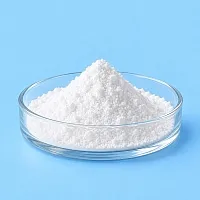
 Ectoin represents a major technological advancement in modern cosmetic science. Classified chemically as a natural cyclic amino acid derivative, this compound belongs to the family of extremolytes. Extremolytes are specialized stress protection molecules synthesized by extremophilic microorganisms that survive in the harshest environments on Earth, such as hyper-saline salt lakes, hot desert soils, and deep ocean thermal vents. These microorganisms produce ectoin to shield their cellular structures from extreme temperature fluctuations, high salt concentrations, intense ultraviolet radiation, and severe osmotic desiccation.
In contemporary cosmetic formulations, ectoin functions as a multifunctional protective active ingredient. Modern living environments expose skin to urban pollution, airborne micro-particulates, heavy metal dust, blue light from digital displays, and harsh weather conditions. These stress factors accelerate atmospheric oxidative aging, compromise the skin barrier, and cause chronic moisture loss. When applied topically, ectoin does not simply remain on the surface; it forms a protective hydrative shell around skin biomolecules, stabilizing cell membranes and lipid bilayers. This anti-stress mechanism shields the cutaneous architecture from urban pollution, prevents dehydration at a structural level, and preserves long-term cellular vitality.
Biochemical Properties and Osmoprotective Mechanism of Ectoin
The biological efficacy of ectoin relies on its unique physical-chemical interaction with water molecules, a process known as preferential exclusion. Ectoin has an extraordinary capacity to bind water, forming dense, highly structured hydro-complexes termed ectoin-hydro-complexes. When integrated into cosmetic formulas, these complexes enclose cellular proteins, lipids, and cell membranes in a protective water shell. This prevents structural denaturation caused by thermal or chemical stress, without altering the natural metabolic functions of the skin.
Unlike simple humectants that merely attract surface moisture, ectoin provides true osmoprotection. It regulates intracellular water volume, keeping skin cells fully hydrated even under conditions of extreme atmospheric dryness or environmental exposure. Furthermore, ectoin exhibits significant anti-pollution capabilities. It prevents fine particulate matter from adhering to cell surfaces, thereby reducing the cascade of inflammation and oxidative stress triggered by urban smog. It also preserves the cutaneous immune system by protecting Langerhans cells from ultraviolet radiation damage, reinforcing the skin natural defensive barrier.
Key Advantages of Craft Ectoin Formulations Over Industrial Analogs
Commercial mass-market cosmetic products often feature minimal, symbolic concentrations of active ingredients designed primarily for marketing claims rather than real efficacy. Industrial anti-pollution serums frequently rely on cheap film-forming synthetic polymers, such as silicone derivatives or acrylates. While these synthetic film-formers create a temporary physical barrier on the skin, they do not offer biological protection, cellular repair, or deep osmoprotection. Additionally, mass-produced industrial cosmetics usually contain volatile aromatic compounds, synthetic dyes, harsh chemical preservatives, and mineral oil bases that can clog pores and exacerbate skin sensitivity in urban environments.
Crafting ectoin formulations in a controlled laboratory or artisan environment provides significant advantages. Artisanal manufacturing allows for the inclusion of optimal, clinically proven dosage ranges of high-purity natural ectoin. By combining ectoin with synergistic botanical extracts, cold-pressed plant oils, and clean bio-identical active agents, craft formulators eliminate unnecessary synthetic fillers. Homemade and small-batch formulations avoid harsh preservative systems, utilizing eco-certified, mild preservation complexes instead. This ensures maximum biocompatibility, zero comedogenicity, and superior biological activity compared to standardized mass-market alternatives.
Recipe of Anti Pollution Urban Shield Serum with Ectoin and Niacinamide
This advanced serum is formulated to protect urban skin from atmospheric pollution, fine airborne dust, and digital light exposure, while strengthening the lipid barrier and evening out skin tone.
Preparation of the Primary Aqueous Phase Measure the required amount of pure distilled water or organic lavender hydrosol into a sterile, heat-resistant glass beaker. Slowly sprinkle high molecular weight hyaluronate powder over the surface of the liquid. Allow the mixture to rest undisturbed for thirty minutes until the powder fully hydrates, then stir gently with a glass rod until a uniform, smooth hydrogel base is achieved.
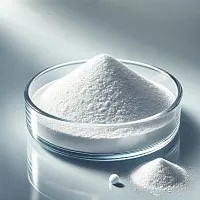
Dissolution of the Active Ectoin Complex Into the prepared hydrogel base, add the precise weighed amount of pure crystalline ectoin along with pharmaceutical-grade niacinamide powder. Stir the liquid continuously until all solid crystals dissolve completely into the gel system. This combination creates a synergistic shield that calms environmental irritation while boosting ceramide synthesis.
Integration of Hydrating and Soothing Factors Incorporate water-soluble provitamin B5 D-panthenol and organic aloe vera liquid concentrate into the beaker. Stir thoroughly to distribute the soothing components evenly throughout the aqueous matrix.
Preservation and Final Packaging Add a safe, eco-certified broad-spectrum preservative system to guard the aqueous formulation against microbial contamination. Measure the acidity level using digital pH meter equipment or indicator paper, adjusting the formula to a skin-neutral pH value. Transfer the finished shield serum into an opaque glass bottle fitted with a dropper assembly.
Recipe of Deep Osmoprotective Cream with Ectoin and Squalane
This rich, restoring lipid cream provides intense nourishment, long-term barrier protection, and deep moisture retention for dehydrated skin exposed to dry indoor air and cold weather.
Formulation of the Lipid Phase In a clean, heat-resistant glass beaker, blend plant-derived olive squalane, unrefined jojoba oil, and shea butter with a mild, vegetable-derived emulsifying wax. Squalane provides bio-identical lipids that mimic the skin natural sebum, reinforcing the barrier structure.
Preparation of the Water Phase In a second separate glass beaker, combine distilled water with vegetable glycerin. Place both the lipid phase beaker and the water phase beaker into a regulated water bath. Heat both vessels gently until the solid fats and emulsifying wax have completely melted into a clear liquid oil mixture and both phases reach an equal warm temperature.
Emulsification Process Remove both beakers from the water bath. Slowly pour the warm aqueous phase into the liquid oil phase in a thin, steady stream while continuously blending the mixture with a high-speed mini mixer or laboratory homogenizer. As the emulsion forms, the liquid will turn opaque white and thicken into a glossy, velvety cream texture. Continue stirring at a moderate speed while the container cools down naturally.
Introduction of Thermal-Sensitive Ectoin Actives Once the cream emulsion cools down to room temperature, add a concentrated liquid solution of pre-dissolved ectoin in rose hydrosol. Incorporate natural vitamin E tocopherol to protect the lipid phase from oxidation. Stir the cream thoroughly with a clean spatula until completely homogenous, then transfer the finished cream into a clean jar.
Recipe of Refreshing Anti Stress Ectoin Mist with Botanical Extracts
This lightweight, hydrating facial mist is designed for rapid re-hydration during the day, counteracting air-conditioned environments, computer screen stress, and outdoor pollution.
Base Liquid Preparation Pour a combination of distilled water and organic green tea hydrosol into a sterile glass beaker. Green tea hydrosol provides natural polyphenols that neutralize free radicals generated by environmental exposure.
Active Component Dissolution Add pure ectoin powder and water-soluble zinc PCA to the liquid base. Stir thoroughly until the crystals are fully dissolved. Zinc PCA works alongside ectoin to regulate sebum production and calm skin stress triggered by heat or pollution.

Enrichment and Solubilization In a small separate container, pre-mix a tiny amount of natural essential oils such as neroli or chamomile with an eco-friendly non-ionic solubilizer. Slowly add this pre-mix into the main liquid beaker while stirring gently to create a clear, aromatic solution.
Final Stabilization and Storage Introduce a mild water-soluble preservative to ensure formula safety. Check the pH value to ensure it matches the natural physiological acidity of healthy skin. Pour the clear liquid mist into a high-quality amber glass bottle fitted with a fine mist sprayer mechanism.
Directions for Daily Application and Optimal Integration Protocols
To achieve maximum skin protection and repair using ectoin formulations, follow a structured, sequential application routine designed to support the skin natural biorhythms.
Morning Shield Routine Begin your morning procedure by cleansing the face with a mild, non-stripping cleanser. Apply a small amount of skin toner or mist to prepare the skin. Dispense three to four drops of the Anti Pollution Urban Shield Serum onto your face and neck, tapping lightly along massage lines until fully absorbed. Immediately follow with a layer of the Deep Osmoprotective Cream to lock in the aqueous active ingredients and create a protective lipid layer against environmental pollution.
Daytime Anti Stress Refreshing Keep the Refreshing Anti Stress Ectoin Mist at your workspace or in your bag. Hold the bottle at arm length and mist the face lightly three to four times throughout the day, especially when working in air-conditioned environments or after long exposure to digital screens. The mist can be applied over light makeup to restore hydration levels and refresh the anti-pollution shield.
Evening Restoration Protocol During the evening, perform a thorough double-cleansing routine to remove accumulated urban dust, heavy metals, and oxidized sebum. Re-apply the Ectoin Serum followed by a slightly more generous layer of the Osmoprotective Cream to support overnight cellular repair and barrier recovery while the body is at rest.
Instructions for Proper Storage and Preservation of Ectoin Products
Artisanal and small-batch ectoin cosmetics require careful storage conditions to maintain their molecular stability and prevent loss of efficacy over time.
Temperature and Light Control Store all prepared serums, creams, and mists in a cool, dark place away from direct sunlight and heating units. Excessive heat can degrade active botanical extracts, while direct ultraviolet radiation causes oxidation of delicate lipid components. Ambient room temperatures or a dedicated cosmetic refrigerator provide ideal storage conditions.
Protection Against Atmospheric Moisture Keep container lids and spray caps tightly closed when the products are not in use. Ectoin is a powerful humectant, and open containers exposed to humid bathroom air can absorb excessive ambient water vapor, altering the concentration and stability of the formula.
Hygienic Product Extraction Always use a clean, sanitized plastic or glass cosmetic spatula when removing cream from a jar. Avoid inserting fingers directly into cosmetic containers, as this introduces bacteria and fungi that can overwhelm natural preservative systems.
Shelf Life Management Because craft formulations use gentle eco-preservatives rather than harsh industrial chemicals, observe recommended usage timeframes. Serum and mist formulations stored correctly remain stable for up to three months, while emulsion creams should be consumed within two to three months from the date of preparation.


Cosmetic ingredients and professional formulation blog
This section features expert materials on modern cosmetic actives. We cover peptides, polynucleotides PDRN, different forms of hyaluronic acid, retinoids, ceramides and other key components.
Special focus is given to active stability, ingredient compatibility and correct incorporation into formulas. You will find practical guides on working with anti-age actives, moisturizing complexes and barrier repair ingredients.
We examine how to properly combine myorelaxants with peptides, common mistakes when using unstable vitamin C forms and ways to improve the performance of moisturizing actives.
Separate materials are dedicated to base oils, extracts, emulsifiers and supporting ingredients. This helps create stable and effective formulas for both professional and home cosmetics.
The blog regularly publishes reviews of trending actives, comparisons of similar ingredients and step-by-step formulation recommendations. The content is aimed at formulators, technologists and anyone seriously involved in creating cosmetic products.
Why this blog is useful
Here you will find practical data on eye area care actives, lifting systems and ingredients that improve skin firmness and tone. We rely on real formulation experience and address the actual challenges that arise during product development.
You can also explore materials on skin protection and repair, depigmentation and anti-inflammatory actives. This approach supports a more systematic selection of ingredients.
FAQ
What topics are covered most often
The blog focuses on peptides, PDRN, hyaluronic acid of different molecular weights, retinoids, ceramides and their compatibility rules.
Are there practical recommendations on how to incorporate actives
Yes, most articles include practical notes on pH stability, incorporation temperature and common formulation mistakes.
Is the content only for professionals
The materials are useful both for formulators and technologists and for those who create cosmetics for personal use and want to understand how modern ingredients work.
Where can I go directly to the ingredients
All key actives are collected in the Actives section, while base components are available in base oils and related categories.