-
 DIY: Video master classes
-
 Aromatherapy
-
 Felting master classes
-
 Eating at home
-
 DIY cosmetics for children
-
 Cooking recipes
-
 Detergents, cleaning products with your own hands
-
 Soap making as a business
-
 Natural cosmetics. Raw materials for cosmetics and soap.
-
 Natural oils in cosmetics
-
 News
News
-
 Recipes for balms and conditioners
-
 Bath Bomb Recipes
-
 Cream recipes. Cream making.
-
 Lotion recipes. Gel recipes.
-
 Mask recipes
-
 Soap recipes. Base soap. Soap from scratch.
-
 Recipes for all occasions
-
 Natural shampoo recipes
-
 Healthy Nutrition Recipes
-
 Scrub recipes. Massage tiles. Ubtan
-
 DIY candles
-
 Reference materials, questions, tips
-
 Startup - soap production
-
 Hair care. Tips, recipes
-
 Facial skin care. Cleansers.
-
 Body care. Tips, recipes
-
 Photo Reviews
-
 Chocolate Handmade


Natural preservatives in home cosmetics
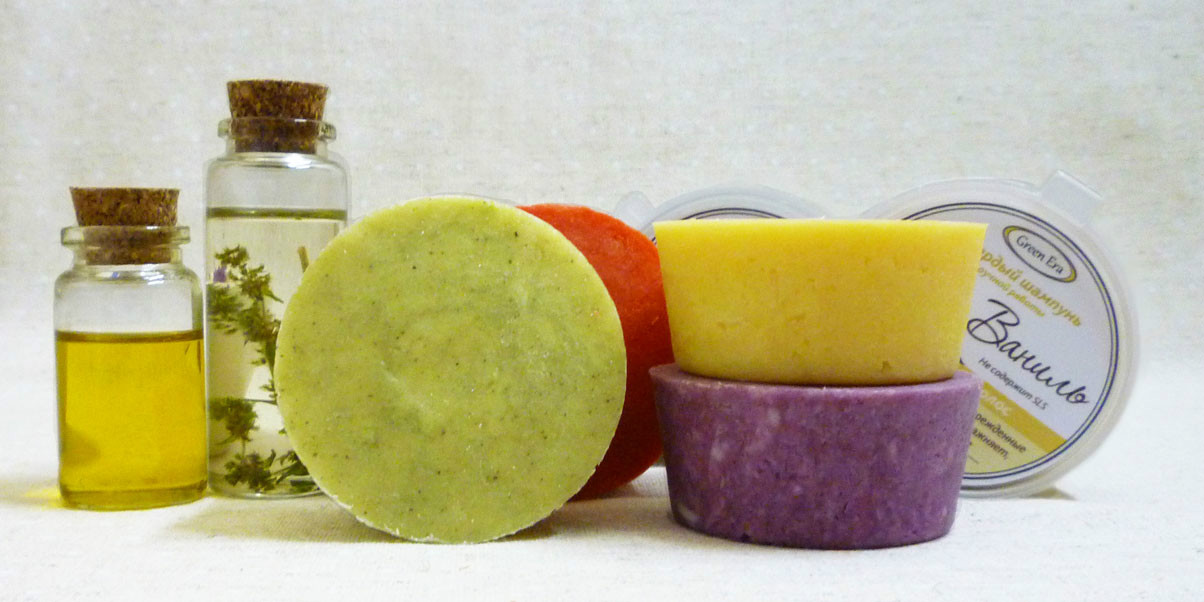
If you've ever cooked home cosmetics, then you know that it has a very short shelf life - 3-7 days. However, it can be extended with natural preservatives. The main task of such substances is to destroy pathogenic microbes that lead to rapid deterioration of the cosmetic product.
Benefits of Natural Preservatives
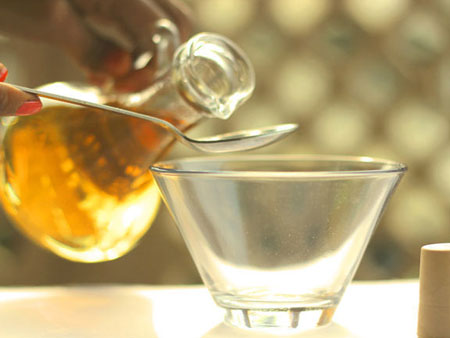
For home cosmetics, you can use synthetic or natural preservatives. Natural ones are good because they are absolutely harmless to our skin. They do not cause irritation or any side effects.
What can be used as natural preservatives? Various natural substances: plant extracts, tree bark, berries, fruits, essential oils, bee products and much more. Such components not only prolong the shelf life of home cosmetics, but also have a positive effect on the skin.
Natural preservatives for natural cosmetics

Thanks to a wide selection, you can choose the natural preservative that best suits your individual needs .
- Margoza < / strong>
Neem oil is a very powerful antiseptic that can kill many microorganisms. It effectively fights against the simplest and various fungi, therefore it is excellent for natural cosmetics. Cosmetologists recommend using this oil in small quantities - no more than 10%.
- Lemon < / strong>
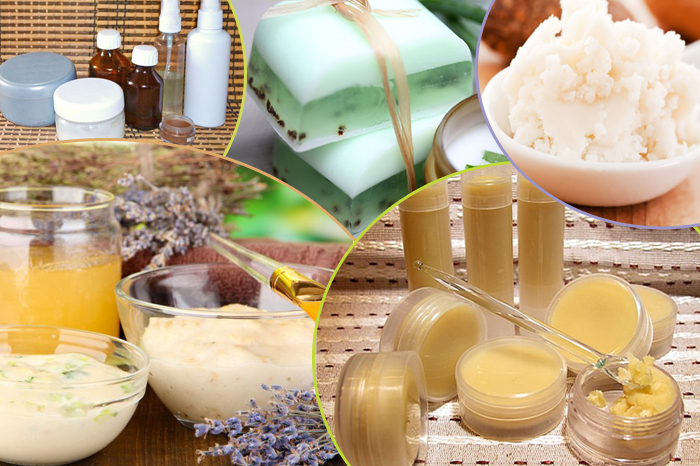
Lemon is another effective preservative that not only has a pleasant scent, but also prevents rotting , as well as premature deterioration of the cosmetic product. Citric acid can be used as a diluent, preservative, defoamer, and pH modifier. Input percentage - from 2% to 4%.
- Vitamin E
Vitamin E is indispensable for our skin. It is able not only to protect it from the harmful effects of ultraviolet radiation, but also to act as an antioxidant / natural preservative. In addition, this vitamin protects us from premature aging, so it is recommended to add it to various creams.
Some beauticians advise using vitamin E in combination with vitamin C. Recommended input percentage:
- body aids - not more than 5%;
- eye creams - up to 1%;
This component not only minimizes the risk of oxidation, but also has antiseptic properties. Rosemary has a complex effect on the skin: it tones up, relieves inflammation, and improves the appearance. It can be used in any cosmetic product in small amounts - from 0.05% to 0.1%.
- Propolis < / strong>
Natural beekeeping product that is an excellent preservative. Its mass fraction in cosmetics should not exceed 5%. Due to the fact that propolis contains many vitamins and elements, it can cause allergies, so it is not suitable for everyone.
This component has powerful antiviral and antibacterial properties, so it can be added to creams in small doses - no more than 1%. Some cosmetologists consider this extract to be a natural antibiotic.
Safe, natural and versatile. It can be used as a preservative or emulsifier. It is recommended to add no more than 5% to cosmetics.
- Malavit < / strong>
Environmentally friendly raw materials containing many useful substances. It is recommended to add no more than 15 drops per 50 ml of cream.
In addition to the above substances, some essential oils can be used as natural preservatives. However, cosmetologists do not recommend them for one simple reason - they often cause irritation and can fade during cooking.
For natural preservatives to prolong the life of your home cosmetics - use them correctly! Always adhere to the recommended dosages and strictly follow the preparation technology.
Always yours,
Victoria Prutkovskikh.


Cosmetic ingredients and professional formulation blog
This section features expert materials on modern cosmetic actives. We cover peptides, polynucleotides PDRN, different forms of hyaluronic acid, retinoids, ceramides and other key components.
Special focus is given to active stability, ingredient compatibility and correct incorporation into formulas. You will find practical guides on working with anti-age actives, moisturizing complexes and barrier repair ingredients.
We examine how to properly combine myorelaxants with peptides, common mistakes when using unstable vitamin C forms and ways to improve the performance of moisturizing actives.
Separate materials are dedicated to base oils, extracts, emulsifiers and supporting ingredients. This helps create stable and effective formulas for both professional and home cosmetics.
The blog regularly publishes reviews of trending actives, comparisons of similar ingredients and step-by-step formulation recommendations. The content is aimed at formulators, technologists and anyone seriously involved in creating cosmetic products.
Why this blog is useful
Here you will find practical data on eye area care actives, lifting systems and ingredients that improve skin firmness and tone. We rely on real formulation experience and address the actual challenges that arise during product development.
You can also explore materials on skin protection and repair, depigmentation and anti-inflammatory actives. This approach supports a more systematic selection of ingredients.
FAQ
What topics are covered most often
The blog focuses on peptides, PDRN, hyaluronic acid of different molecular weights, retinoids, ceramides and their compatibility rules.
Are there practical recommendations on how to incorporate actives
Yes, most articles include practical notes on pH stability, incorporation temperature and common formulation mistakes.
Is the content only for professionals
The materials are useful both for formulators and technologists and for those who create cosmetics for personal use and want to understand how modern ingredients work.
Where can I go directly to the ingredients
All key actives are collected in the Actives section, while base components are available in base oils and related categories.