-
 DIY: Video master classes
-
 Aromatherapy
-
 Felting master classes
-
 Eating at home
-
 DIY cosmetics for children
-
 Cooking recipes
-
 Detergents, cleaning products with your own hands
-
 Soap making as a business
-
 Natural cosmetics. Raw materials for cosmetics and soap.
-
 Natural oils in cosmetics
-
 News
-
 Recipes for balms and conditioners
-
 Bath Bomb Recipes
-
 Cream recipes. Cream making.
-
 Lotion recipes. Gel recipes.
-
 Mask recipes
-
 Soap recipes. Base soap. Soap from scratch.
-
 Recipes for all occasions
-
 Natural shampoo recipes
-
 Healthy Nutrition Recipes
-
 Scrub recipes. Massage tiles. Ubtan
-
 DIY candles
-
 Reference materials, questions, tips
-
 Startup - soap production
-
 Hair care. Tips, recipes
-
 Facial skin care. Cleansers.
-
 Body care. Tips, recipes
-
 Photo Reviews
-
 Chocolate Handmade


DIY cooling foot cream
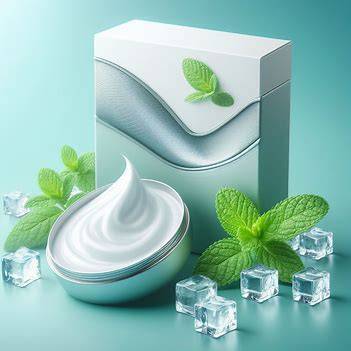 Beat the Heat: DIY Cooling Foot Cream for Refreshed and Happy Feet
Summer's scorching temperatures can leave your feet feeling tired, achy, and downright uncomfortable. Sweat, friction, and closed-toe shoes can exacerbate these issues. But fear not, there's a simple solution: a do-it-yourself (DIY) cooling foot cream! This refreshing recipe utilizes natural ingredients readily available at stores like Mylo Opt in Ukraine, a trusted supplier for all your DIY cosmetic needs.
Benefits of a DIY Cooling Foot Cream:
- Soothes and cools: The cream's ingredients, like menthol and peppermint, provide a refreshing and calming sensation for tired feet.
- Moisturizes and nourishes: Shea butter and coconut oil deeply hydrate dry, cracked heels and feet, leaving them soft and supple.
- Reduces inflammation: Ingredients like aloe vera can help soothe irritation and inflammation caused by excessive sweating or sunburn.
- Deodorizes: Essential oils like peppermint or tea tree possess natural deodorizing properties, combating unpleasant foot odor.
- Customization: You can personalize your cream's scent and intensity by adjusting the essential oil types and quantities.
Ingredients (all found at Mylo Opt!):
- Shea butter (unrefined): 2 tablespoons (known for its deeply moisturizing properties)
- Coconut oil (unrefined): 1 tablespoon (provides excellent hydration and a light, pleasant scent)
- Beeswax: 1 tablespoon (acts as a natural thickener and stabilizer)
- Aloe vera gel: 2 tablespoons (soothes irritation and inflammation)
- Menthol crystals: ¼ teaspoon (crushed for a cooling effect, adjust based on preference)
- Peppermint essential oil: 3-5 drops (provides a refreshing scent and a cooling sensation)
- Vitamin E oil (optional): 2-3 drops (acts as a natural preservative)
- Distilled water (optional): 1-2 tablespoons (use only if the cream feels too thick)
Equipment:
- Heat-resistant bowl
- Small saucepan
- Hand mixer or whisk
- Airtight container(s) for storing the finished cream
 Instructions:
- Prepare a double boiler: Fill the saucepan with a couple of inches of water and bring it to a simmer. Place the heat-resistant bowl on top of the saucepan, ensuring the bowl bottom doesn't touch the simmering water.
- Melt the base: Add shea butter, coconut oil, and beeswax to the bowl. Using low heat, gently stir the mixture until everything melts completely and combines well.
- Remove from heat: Take the bowl off the double boiler and let the mixture cool slightly (around 5 minutes).
- Incorporate remaining ingredients: While the mixture cools, whisk together aloe vera gel, menthol crystals (crushed beforehand), and essential oil(s) in a separate container.
- Emulsify: Slowly add the aloe vera mixture to the cooled oil mixture while continuously whisking or using a hand mixer on low speed. This step is crucial for creating a smooth and stable cream.
- Optional consistency adjustment: If the cream feels too thick, gradually add distilled water, one tablespoon at a time, while whisking constantly to maintain a smooth texture.
- Cooling touch (optional): For an extra cooling effect, you can briefly place the bowl in a chilled ice bath (ensure no water gets into the cream) after adding the menthol crystals.
- Vitamin E boost (optional): If using, stir in the vitamin E oil at the very end.
- Whisk until smooth: Continue whisking until the cream achieves a smooth and homogenous consistency.
- Package and store: Transfer the finished cream to clean, dry, and airtight containers. Label them with the date of creation and store them in a cool, dry place (ideally, a refrigerator) for up to 3 months.
Tips:
- Patch test: Before applying the cream liberally, perform a patch test on a small area of your skin to check for any allergic reactions.
- Nighttime application: Apply the cream generously to your feet before bedtime for maximum absorption and refreshment. Wear cotton socks to prevent the cream from rubbing off.
- Exfoliate beforehand: For enhanced results, gently exfoliate your feet before applying the cream to remove dead skin cells and allow for better product penetration.
Safety Considerations:
- Menthol sensitivity: Be cautious if you have sensitive skin, as menthol can cause irritation. Reduce the amount or omit it entirely if needed.
- Pregnant or breastfeeding: Consult a healthcare professional before using essential oils if you are pregnant or breastfeeding.


Cosmetic ingredients and professional formulation blog
This section features expert materials on modern cosmetic actives. We cover peptides, polynucleotides PDRN, different forms of hyaluronic acid, retinoids, ceramides and other key components.
Special focus is given to active stability, ingredient compatibility and correct incorporation into formulas. You will find practical guides on working with anti-age actives, moisturizing complexes and barrier repair ingredients.
We examine how to properly combine myorelaxants with peptides, common mistakes when using unstable vitamin C forms and ways to improve the performance of moisturizing actives.
Separate materials are dedicated to base oils, extracts, emulsifiers and supporting ingredients. This helps create stable and effective formulas for both professional and home cosmetics.
The blog regularly publishes reviews of trending actives, comparisons of similar ingredients and step-by-step formulation recommendations. The content is aimed at formulators, technologists and anyone seriously involved in creating cosmetic products.
Why this blog is useful
Here you will find practical data on eye area care actives, lifting systems and ingredients that improve skin firmness and tone. We rely on real formulation experience and address the actual challenges that arise during product development.
You can also explore materials on skin protection and repair, depigmentation and anti-inflammatory actives. This approach supports a more systematic selection of ingredients.
FAQ
What topics are covered most often
The blog focuses on peptides, PDRN, hyaluronic acid of different molecular weights, retinoids, ceramides and their compatibility rules.
Are there practical recommendations on how to incorporate actives
Yes, most articles include practical notes on pH stability, incorporation temperature and common formulation mistakes.
Is the content only for professionals
The materials are useful both for formulators and technologists and for those who create cosmetics for personal use and want to understand how modern ingredients work.
Where can I go directly to the ingredients
All key actives are collected in the Actives section, while base components are available in base oils and related categories.



