-
 DIY: Video master classes
-
 Aromatherapy
-
 Felting master classes
-
 Eating at home
-
 DIY cosmetics for children
-
 Cooking recipes
-
 Detergents, cleaning products with your own hands
-
 Soap making as a business
-
 Natural cosmetics. Raw materials for cosmetics and soap.
-
 Natural oils in cosmetics
-
 News
-
 Recipes for balms and conditioners
-
 Bath Bomb Recipes
-
 Cream recipes. Cream making.
-
 Lotion recipes. Gel recipes.
-
 Mask recipes
-
 Soap recipes. Base soap. Soap from scratch.
-
 Recipes for all occasions
-
 Natural shampoo recipes
-
 Healthy Nutrition Recipes
-
 Scrub recipes. Massage tiles. Ubtan
-
 DIY candles
-
 Reference materials, questions, tips
-
 Startup - soap production
-
 Hair care. Tips, recipes
-
 Facial skin care. Cleansers.
-
 Body care. Tips, recipes
-
 Photo Reviews
-
 Chocolate Handmade


Cream with peptides: do-it-yourself rejuvenation
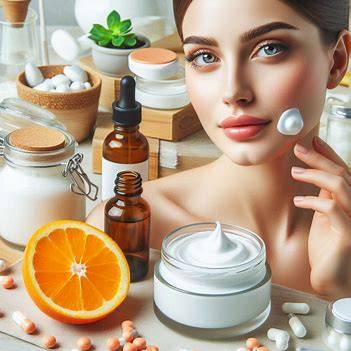 Cream with Peptides: DIY Rejuvenation (Proceed with Caution)
The allure of youthful skin is undeniable. While the cosmetic industry boasts numerous creams promising to turn back time, many are formulated with expensive ingredients and lack transparency. Enter the intriguing world of DIY skincare, where you can create a personalized cream with peptides – a natural approach to potentially revitalize your skin. However, before diving headfirst, important considerations and safety precautions are crucial.
What are Peptides?
Peptides are short chains of amino acids, the building blocks of proteins. In skincare, specific peptides act as messengers, communicating with your skin cells to stimulate collagen production, improve elasticity, and reduce the appearance of wrinkles. While research is ongoing, some peptides show promise in combating signs of aging.
DIY Peptide Cream: A Word of Caution
While creating your own peptide cream offers a sense of control over ingredients, there are significant drawbacks:
- Safety: Handling potent actives like peptides requires a sterile environment and precise measurements. Improper handling can lead to contamination or ineffective formulas.
- Preservatives: DIY creams often lack preservatives, increasing the risk of bacterial growth and spoiling.
- Stability: Peptides can degrade over time if not stored correctly, rendering them ineffective.
- Effectiveness: Formulating a truly effective cream requires knowledge of ingredient compatibility and concentrations. Incorrect ratios may negate the benefits of peptides.
 Considering a DIY Approach? Here's What You Need to Know:
If, despite the warnings, you're determined to try a DIY peptide cream, proceed with extreme caution. Here are some essential points to remember:
- Source High-Quality Ingredients: Purchase peptides from reputable suppliers specializing in cosmetic ingredients.
- Research & Experiment: Thoroughly research different peptides and their functionalities. Start with small batches and experiment with concentrations.
- Sterilize Everything: Maintain a sterile environment throughout the process, including utensils and containers.
- Use Preservatives: Consider incorporating safe and effective preservatives suitable for homemade cosmetics.
- Test on a Small Area: Always perform a patch test on a small area of your inner arm before applying the cream to your face.
- Manage Expectations: DIY creams may not be as effective as commercially produced formulas due to the limitations mentioned above.
A Safer Alternative: Consider Pre-Made Peptide Creams
For most individuals, a safer and potentially more effective option is to purchase a pre-made peptide cream from a reputable brand. These companies typically:
- Utilize high-quality, researched ingredients.
- Employ proper manufacturing practices ensuring sterility and stability.
- Formulate creams with optimal concentrations for targeted benefits.
Conclusion
The desire for youthful skin is understandable. While DIY peptide creams offer a certain appeal, the potential drawbacks for safety and effectiveness are significant. For most, commercially-produced peptide creams present a safer and potentially more effective path to achieving a more youthful appearance. Remember, healthy skin starts with a balanced lifestyle, proper sun protection, and a consistent skincare routine. Consult a dermatologist if you have any concerns or questions about peptides or other anti-aging ingredients.
"


Cosmetic ingredients and professional formulation blog
This section features expert materials on modern cosmetic actives. We cover peptides, polynucleotides PDRN, different forms of hyaluronic acid, retinoids, ceramides and other key components.
Special focus is given to active stability, ingredient compatibility and correct incorporation into formulas. You will find practical guides on working with anti-age actives, moisturizing complexes and barrier repair ingredients.
We examine how to properly combine myorelaxants with peptides, common mistakes when using unstable vitamin C forms and ways to improve the performance of moisturizing actives.
Separate materials are dedicated to base oils, extracts, emulsifiers and supporting ingredients. This helps create stable and effective formulas for both professional and home cosmetics.
The blog regularly publishes reviews of trending actives, comparisons of similar ingredients and step-by-step formulation recommendations. The content is aimed at formulators, technologists and anyone seriously involved in creating cosmetic products.
Why this blog is useful
Here you will find practical data on eye area care actives, lifting systems and ingredients that improve skin firmness and tone. We rely on real formulation experience and address the actual challenges that arise during product development.
You can also explore materials on skin protection and repair, depigmentation and anti-inflammatory actives. This approach supports a more systematic selection of ingredients.
FAQ
What topics are covered most often
The blog focuses on peptides, PDRN, hyaluronic acid of different molecular weights, retinoids, ceramides and their compatibility rules.
Are there practical recommendations on how to incorporate actives
Yes, most articles include practical notes on pH stability, incorporation temperature and common formulation mistakes.
Is the content only for professionals
The materials are useful both for formulators and technologists and for those who create cosmetics for personal use and want to understand how modern ingredients work.
Where can I go directly to the ingredients
All key actives are collected in the Actives section, while base components are available in base oils and related categories.



