-
 DIY: Video master classes
-
 Aromatherapy
-
 Felting master classes
-
 Eating at home
-
 DIY cosmetics for children
-
 Cooking recipes
-
 Detergents, cleaning products with your own hands
-
 Soap making as a business
-
 Natural cosmetics. Raw materials for cosmetics and soap.
-
 Natural oils in cosmetics
-
 News
News
-
 Recipes for balms and conditioners
-
 Bath Bomb Recipes
-
 Cream recipes. Cream making.
-
 Lotion recipes. Gel recipes.
-
 Mask recipes
-
 Soap recipes. Base soap. Soap from scratch.
-
 Recipes for all occasions
-
 Natural shampoo recipes
-
 Healthy Nutrition Recipes
-
 Scrub recipes. Massage tiles. Ubtan
-
 DIY candles
-
 Reference materials, questions, tips
-
 Startup - soap production
-
 Hair care. Tips, recipes
-
 Facial skin care. Cleansers.
-
 Body care. Tips, recipes
-
 Photo Reviews
-
 Chocolate Handmade


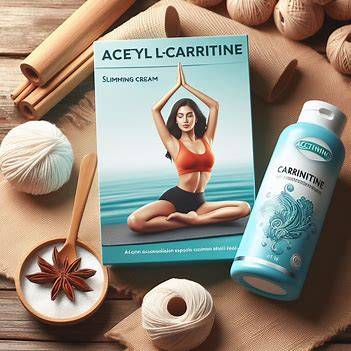
Slimming cream with Acetyl L-Carnitine
 Can Weight Loss Creams with Acetyl L-Carnitine Help You Slim Down?
The quest for a magic bullet for weight loss is a constant theme in the beauty and wellness industry. Weight loss creams containing Acetyl L-Carnitine (ALC) are one such product gaining traction. But before you reach for that tube, let's delve into the science behind ALC and its effectiveness in weight loss creams.
What is Acetyl L-Carnitine?
Acetyl L-Carnitine is a naturally occurring amino acid derivative found in the body, particularly in muscle tissue. It plays a crucial role in transporting fatty acids into the mitochondria, the cell's powerhouse, where they are burned for energy.
The Theory Behind ALC and Weight Loss
The theory behind ALC for weight loss is that by increasing the availability of fatty acids for fuel, it can boost metabolism and promote fat burning. However, research on the effectiveness of topical ALC creams for weight loss remains inconclusive.
Limitations of Weight Loss Creams
Here's why weight loss creams, including those with ALC, might not be the answer:
- Limited Penetration: The effectiveness of topical creams relies on the ingredients penetrating the deeper layers of the skin where fat cells reside. Studies suggest ALC absorption through the skin might be minimal.
- Spot Reduction Myth: Weight loss doesn't happen in targeted areas. Applying a cream to specific areas like the belly won't necessarily reduce fat there. Overall calorie reduction and exercise are key.
- Lifestyle Matters: Weight loss is a complex process influenced by diet, exercise, and genetics. A cream alone is unlikely to produce significant results without addressing these factors.
So, are ALC Weight Loss Creams Worth It?
Currently, the evidence for the effectiveness of ALC in topical weight loss creams is limited. While ALC itself has potential benefits, its delivery method in creams might be questionable.
 Alternatives for Weight Loss
Here are some evidence-based strategies for weight loss:
- Healthy Diet: Focus on a balanced diet rich in fruits, vegetables, whole grains, and lean protein. Reduce processed foods, sugary drinks, and unhealthy fats.
- Regular Exercise: Engage in regular physical activity, aiming for at least 150 minutes of moderate-intensity exercise or 75 minutes of vigorous-intensity exercise per week. Combine cardio with strength training for optimal results.
- Lifestyle Changes: Get enough sleep, manage stress effectively, and stay hydrated. These factors can significantly impact weight management.
Consult a Healthcare Professional
Before incorporating any new weight loss product, consult a healthcare professional. They can help you develop a safe and effective weight loss plan tailored to your individual needs and health status.
Conclusion
Weight loss creams with ALC might seem like a convenient solution, but the science behind their effectiveness is not yet conclusive. Focusing on a healthy diet, regular exercise, and overall lifestyle changes remains the most reliable approach for sustainable weight loss.
"


Cosmetic ingredients and professional formulation blog
This section features expert materials on modern cosmetic actives. We cover peptides, polynucleotides PDRN, different forms of hyaluronic acid, retinoids, ceramides and other key components.
Special focus is given to active stability, ingredient compatibility and correct incorporation into formulas. You will find practical guides on working with anti-age actives, moisturizing complexes and barrier repair ingredients.
We examine how to properly combine myorelaxants with peptides, common mistakes when using unstable vitamin C forms and ways to improve the performance of moisturizing actives.
Separate materials are dedicated to base oils, extracts, emulsifiers and supporting ingredients. This helps create stable and effective formulas for both professional and home cosmetics.
The blog regularly publishes reviews of trending actives, comparisons of similar ingredients and step-by-step formulation recommendations. The content is aimed at formulators, technologists and anyone seriously involved in creating cosmetic products.
Why this blog is useful
Here you will find practical data on eye area care actives, lifting systems and ingredients that improve skin firmness and tone. We rely on real formulation experience and address the actual challenges that arise during product development.
You can also explore materials on skin protection and repair, depigmentation and anti-inflammatory actives. This approach supports a more systematic selection of ingredients.
FAQ
What topics are covered most often
The blog focuses on peptides, PDRN, hyaluronic acid of different molecular weights, retinoids, ceramides and their compatibility rules.
Are there practical recommendations on how to incorporate actives
Yes, most articles include practical notes on pH stability, incorporation temperature and common formulation mistakes.
Is the content only for professionals
The materials are useful both for formulators and technologists and for those who create cosmetics for personal use and want to understand how modern ingredients work.
Where can I go directly to the ingredients
All key actives are collected in the Actives section, while base components are available in base oils and related categories.