-
 DIY: Video master classes
-
 Aromatherapy
-
 Felting master classes
-
 Eating at home
-
 DIY cosmetics for children
-
 Cooking recipes
-
 Detergents, cleaning products with your own hands
-
 Soap making as a business
-
 Natural cosmetics. Raw materials for cosmetics and soap.
-
 Natural oils in cosmetics
-
 News
News
-
 Recipes for balms and conditioners
-
 Bath Bomb Recipes
-
 Cream recipes. Cream making.
-
 Lotion recipes. Gel recipes.
-
 Mask recipes
-
 Soap recipes. Base soap. Soap from scratch.
-
 Recipes for all occasions
-
 Natural shampoo recipes
-
 Healthy Nutrition Recipes
-
 Scrub recipes. Massage tiles. Ubtan
-
 DIY candles
-
 Reference materials, questions, tips
-
 Startup - soap production
-
 Hair care. Tips, recipes
-
 Facial skin care. Cleansers.
-
 Body care. Tips, recipes
-
 Photo Reviews
-
 Chocolate Handmade


Anti-aging face cream with peptides
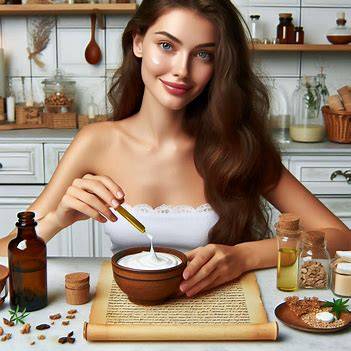 Peptides, chains of amino acids, have gained significant attention in the beauty industry due to their potent anti-aging properties. They can stimulate collagen and elastin production, reduce wrinkles, and improve skin firmness. This article will delve into the world of peptide-infused face creams, providing you with three detailed recipes and insights into their benefits.
Understanding the Power of Peptides
Peptides work by signaling to your skin cells to produce more collagen and elastin, the proteins responsible for skin elasticity and structure. When these proteins are depleted, wrinkles and sagging skin become more apparent. By incorporating peptides into your skincare routine, you can help to replenish these proteins and promote a more youthful complexion.
Recipe 1: Basic Peptide Face Cream
Ingredients:
- 1/4 cup jojoba oil
- 1/4 cup shea butter
- 1 tablespoon beeswax
- 1 teaspoon peptide powder
- 1/2 teaspoon vitamin E oil
Instructions:
- Melt the base: In a double boiler, gently melt the jojoba oil, shea butter, and beeswax together until smooth.
- Add active ingredients: Remove the mixture from heat and stir in the peptide powder and vitamin E oil.
- Cool and store: Pour the mixture into a clean jar and let it cool completely. Store in a cool, dark place.
Recipe 2: Peptide and Hyaluronic Acid Face Cream
Ingredients:
- 1/4 cup rosehip oil
- 1/4 cup aloe vera gel
- 1 tablespoon hyaluronic acid powder
- 1 teaspoon peptide powder
- 1/2 teaspoon vitamin C powder
Instructions:
- Combine oils and gel: In a small bowl, mix the rosehip oil and aloe vera gel together.
- Add actives: Stir in the hyaluronic acid powder, peptide powder, and vitamin C powder.
- Blend: Using a hand blender or immersion blender, mix the ingredients until smooth.
- Store: Pour the cream into a clean jar and store in a cool, dark place.
Recipe 3: Peptide and Retinol Face Cream
Ingredients:
- 1/4 cup argan oil
- 1/4 cup cocoa butter
- 1 tablespoon retinol powder (0.25% or lower)
- 1 teaspoon peptide powder
- 1/2 teaspoon lavender essential oil
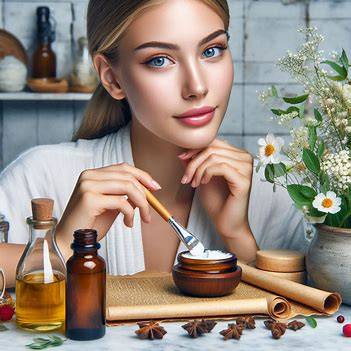 Instructions:
- Melt base: Melt the argan oil and cocoa butter together in a double boiler.
- Add actives: Remove from heat and stir in the retinol powder, peptide powder, and lavender essential oil.
- Cool and store: Pour the mixture into a clean jar and let it cool completely. Store in a cool, dark place.
Tips for Using Peptide Face Creams
- Patch test: Before applying any new product to your face, it's essential to do a patch test on a small area of skin to check for any allergic reactions.
- Consistency is key: For optimal results, use your peptide face cream consistently, both day and night.
- Combine with other anti-aging ingredients: To enhance the benefits of your peptide face cream, consider using it in conjunction with other anti-aging ingredients, such as antioxidants and exfoliants.
- Protect from sunlight: Peptides can be sensitive to sunlight, so it's important to wear sunscreen daily, especially when using products containing retinol.
By incorporating these peptide-infused face cream recipes into your skincare routine, you can help to reduce the appearance of wrinkles, improve skin firmness, and promote a more youthful complexion. Remember, consistency is key, and with patience and dedication, you can achieve the radiant, glowing skin you desire.


Cosmetic ingredients and professional formulation blog
This section features expert materials on modern cosmetic actives. We cover peptides, polynucleotides PDRN, different forms of hyaluronic acid, retinoids, ceramides and other key components.
Special focus is given to active stability, ingredient compatibility and correct incorporation into formulas. You will find practical guides on working with anti-age actives, moisturizing complexes and barrier repair ingredients.
We examine how to properly combine myorelaxants with peptides, common mistakes when using unstable vitamin C forms and ways to improve the performance of moisturizing actives.
Separate materials are dedicated to base oils, extracts, emulsifiers and supporting ingredients. This helps create stable and effective formulas for both professional and home cosmetics.
The blog regularly publishes reviews of trending actives, comparisons of similar ingredients and step-by-step formulation recommendations. The content is aimed at formulators, technologists and anyone seriously involved in creating cosmetic products.
Why this blog is useful
Here you will find practical data on eye area care actives, lifting systems and ingredients that improve skin firmness and tone. We rely on real formulation experience and address the actual challenges that arise during product development.
You can also explore materials on skin protection and repair, depigmentation and anti-inflammatory actives. This approach supports a more systematic selection of ingredients.
FAQ
What topics are covered most often
The blog focuses on peptides, PDRN, hyaluronic acid of different molecular weights, retinoids, ceramides and their compatibility rules.
Are there practical recommendations on how to incorporate actives
Yes, most articles include practical notes on pH stability, incorporation temperature and common formulation mistakes.
Is the content only for professionals
The materials are useful both for formulators and technologists and for those who create cosmetics for personal use and want to understand how modern ingredients work.
Where can I go directly to the ingredients
All key actives are collected in the Actives section, while base components are available in base oils and related categories.