-
 DIY: Video master classes
-
 Aromatherapy
-
 Felting master classes
-
 Eating at home
-
 DIY cosmetics for children
-
 Cooking recipes
-
 Detergents, cleaning products with your own hands
-
 Soap making as a business
-
 Natural cosmetics. Raw materials for cosmetics and soap.
-
 Natural oils in cosmetics
-
 News
News
-
 Recipes for balms and conditioners
-
 Bath Bomb Recipes
-
 Cream recipes. Cream making.
-
 Lotion recipes. Gel recipes.
-
 Mask recipes
-
 Soap recipes. Base soap. Soap from scratch.
-
 Recipes for all occasions
-
 Natural shampoo recipes
-
 Healthy Nutrition Recipes
-
 Scrub recipes. Massage tiles. Ubtan
-
 DIY candles
-
 Reference materials, questions, tips
-
 Startup - soap production
-
 Hair care. Tips, recipes
-
 Facial skin care. Cleansers.
-
 Body care. Tips, recipes
-
 Photo Reviews
-
 Chocolate Handmade


Sugar-salt scrub "Melon": Recipe and benefits of use
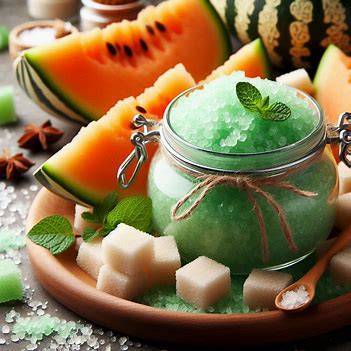 Imagine the sweet, juicy taste of a ripe melon, now picture that sensation on your skin. A sugar-salt scrub infused with the essence of melon is more than just a pampering treat; it's a skincare ritual that revitalizes and rejuvenates.
Combining the exfoliating properties of sugar and salt with the hydrating and nourishing benefits of melon, this scrub offers a luxurious experience while improving your skin's texture and tone.
Benefits of a Sugar-Salt Scrub
Before we dive into the recipes, let's explore the advantages of using a sugar-salt scrub:
- Exfoliation: Sugar and salt work together to gently remove dead skin cells, revealing smoother, brighter skin.
- Hydration: The natural oils in the scrub help to lock in moisture, preventing dryness.
- Improved circulation: Massaging the scrub into your skin stimulates blood flow, promoting a healthy glow.
- Relaxation: The aromatic properties of melon can create a calming and uplifting experience.
Recipe 1: Classic Melon Sugar-Salt Scrub
Ingredients:
- 1 cup white sugar
- 1/2 cup fine sea salt
- 1/4 cup coconut oil
- 2 tablespoons melon extract or puree
- A few drops of melon essential oil (optional)
Instructions:
- In a bowl, combine the sugar and salt.
- Melt the coconut oil and mix it with the sugar-salt mixture.
- Stir in the melon extract or puree and essential oil (if using).
- Transfer the scrub to an airtight container.
Recipe 2: Creamy Melon and Yogurt Scrub
For those with dry skin, this recipe offers extra hydration.
Ingredients:
- 1 cup brown sugar
- 1/4 cup fine sea salt
- 1/4 cup Greek yogurt
- 2 tablespoons honey
- 1 teaspoon melon extract
Instructions:
- Combine the sugar and salt in a bowl.
- Add the Greek yogurt, honey, and melon extract.
- Mix well until you achieve your desired consistency.
- Store in an airtight container.
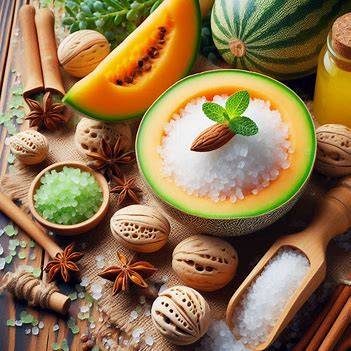
Recipe 3: Energizing Melon and Mint Scrub
This refreshing scrub is perfect for oily or combination skin.
Ingredients:
- 1 cup white sugar
- 1/4 cup dead sea salt
- 1/4 cup aloe vera gel
- 2 tablespoons lemon juice
- A few drops of mint essential oil
 Instructions:
- Combine the sugar and salt in a bowl.
- Add the aloe vera gel, lemon juice, and mint essential oil.
- Mix well until combined.
- Store in an airtight container.
How to Use Your Melon Scrub
- Apply a generous amount of scrub to wet skin.
- Gently massage in circular motions, focusing on rough areas like elbows and knees.
- Rinse thoroughly with warm water.
- Pat your skin dry and apply your favorite moisturizer.
For optimal results, use your melon scrub 2-3 times a week.
Additional Tips
- Customize your scrub: Experiment with different essential oils to create your desired scent.
- Store properly: Keep your scrub in an airtight container in a cool, dry place.
- Patch test: If you have sensitive skin, test a small amount of the scrub on a patch of skin before applying it to your entire body.
Indulge in the sweet and refreshing experience of a homemade melon sugar-salt scrub. Your skin will thank you!
Would you like to know about other types of body scrubs or their benefits?


Cosmetic ingredients and professional formulation blog
This section features expert materials on modern cosmetic actives. We cover peptides, polynucleotides PDRN, different forms of hyaluronic acid, retinoids, ceramides and other key components.
Special focus is given to active stability, ingredient compatibility and correct incorporation into formulas. You will find practical guides on working with anti-age actives, moisturizing complexes and barrier repair ingredients.
We examine how to properly combine myorelaxants with peptides, common mistakes when using unstable vitamin C forms and ways to improve the performance of moisturizing actives.
Separate materials are dedicated to base oils, extracts, emulsifiers and supporting ingredients. This helps create stable and effective formulas for both professional and home cosmetics.
The blog regularly publishes reviews of trending actives, comparisons of similar ingredients and step-by-step formulation recommendations. The content is aimed at formulators, technologists and anyone seriously involved in creating cosmetic products.
Why this blog is useful
Here you will find practical data on eye area care actives, lifting systems and ingredients that improve skin firmness and tone. We rely on real formulation experience and address the actual challenges that arise during product development.
You can also explore materials on skin protection and repair, depigmentation and anti-inflammatory actives. This approach supports a more systematic selection of ingredients.
FAQ
What topics are covered most often
The blog focuses on peptides, PDRN, hyaluronic acid of different molecular weights, retinoids, ceramides and their compatibility rules.
Are there practical recommendations on how to incorporate actives
Yes, most articles include practical notes on pH stability, incorporation temperature and common formulation mistakes.
Is the content only for professionals
The materials are useful both for formulators and technologists and for those who create cosmetics for personal use and want to understand how modern ingredients work.
Where can I go directly to the ingredients
All key actives are collected in the Actives section, while base components are available in base oils and related categories.