-
 DIY: Video master classes
-
 Aromatherapy
-
 Felting master classes
-
 Eating at home
-
 DIY cosmetics for children
-
 Cooking recipes
-
 Detergents, cleaning products with your own hands
-
 Soap making as a business
-
 Natural cosmetics. Raw materials for cosmetics and soap.
-
 Natural oils in cosmetics
-
 News
-
 Recipes for balms and conditioners
-
 Bath Bomb Recipes
-
 Cream recipes. Cream making.
-
 Lotion recipes. Gel recipes.
-
 Mask recipes
-
 Soap recipes. Base soap. Soap from scratch.
-
 Recipes for all occasions
-
 Natural shampoo recipes
-
 Healthy Nutrition Recipes
-
 Scrub recipes. Massage tiles. Ubtan
-
 DIY candles
-
 Reference materials, questions, tips
-
 Startup - soap production
-
 Hair care. Tips, recipes
-
 Facial skin care. Cleansers.
-
 Body care. Tips, recipes
-
 Photo Reviews
-
 Chocolate Handmade


Solid hair shampoo: natural DIY care
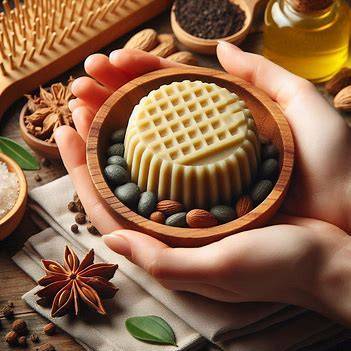 For many, the quest for healthy, beautiful hair often involves a shelf overflowing with bottles. But what if there was a simpler, more natural way to cleanse your locks? Enter the world of solid hair shampoo bars.
These compact wonders are not just trendy; they offer a host of benefits:
- Natural Ingredients: Steer clear of harsh chemicals and sulfates often found in traditional shampoos. Solid bars are typically made with natural ingredients like clays, essential oils, butters, and carrier oils, catering to specific hair types.
- Eco-Friendly: Ditch the plastic bottles! Solid shampoos are a sustainable choice, often packaged in minimal or recycled materials.
- Travel-Friendly: Lightweight and compact, solid bars are perfect for tossing in your carry-on without worrying about TSA restrictions.
- Cost-Effective: While the initial cost might seem higher, solid bars tend to last longer than bottled shampoos, making them a budget-friendly option in the long run.
Ready to take the plunge into DIY solid hair shampoo? Here's what you need to know:
Understanding Your Hair:
The key to a successful DIY shampoo bar is tailoring it to your hair type. Here's a quick guide:
- Dry Hair: Look for ingredients like shea butter, cocoa butter, and avocado oil for added moisture.
- Oily Hair: Opt for clays like rhassoul or bentonite to absorb excess oil.
- Normal Hair: Consider a balanced blend of cleansing and moisturizing ingredients like castile soap and coconut oil.
DIY Solid Hair Shampoo Recipe:
This is a basic recipe you can customize:
- 1/2 cup (113g) grated castile soap (acts as a gentle cleanser)
- 1/4 cup (56g) shea butter or cocoa butter (for moisture)
- 1/4 cup (56g) cornstarch or arrowroot powder (absorbs excess oil)
- 2 tablespoons (30ml) carrier oil (like jojoba or coconut oil) - adjust based on hair type
- 10-15 drops essential oil (optional, for fragrance and added benefits)
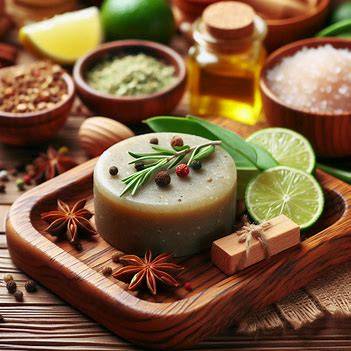 Instructions:
- In a heat-resistant bowl, melt the shea butter or cocoa butter over low heat (double boiler method recommended).
- Grate the castile soap and add it to the melted butter, along with the cornstarch and carrier oil.
- Stir until well combined. Remove from heat.
- If using, add the essential oil(s) and stir again.
- Pour the mixture into a silicone mold or a lined loaf pan. Let it cool completely and solidify for at least 24 hours.
- Once set, pop the bar out of the mold and cut it into desired sizes.
Tips for Using Solid Hair Shampoo:
- Wet your hair thoroughly.
- Rub the bar directly onto your scalp, creating a lather.
- Massage the lather into your scalp and hair, focusing on areas prone to oil buildup.
- Rinse thoroughly with clean water.
- A vinegar rinse (1 tablespoon apple cider vinegar mixed with 1 cup water) can help restore hair's natural pH balance (optional).
- Allow your hair to air dry or use a low heat setting on your hairdryer.
- Store your shampoo bar in a cool, dry place between uses.
Remember: It might take a few washes for your hair to adjust to the natural cleansing power of solid shampoo. Be patient and enjoy the journey to healthier, happier hair!
Additional Considerations:
- Safety First: Conduct a patch test on your inner arm before using any new ingredients, especially essential oils.
- Research is Key: Explore online resources for a wider variety of DIY solid shampoo recipes catering to specific hair concerns.
- Experiment and Have Fun! Don't be afraid to experiment with different ingredients and find the perfect combination for your hair.
By embracing solid hair shampoo, you're not just making a conscious choice for your hair, you're contributing to a more sustainable future. So, ditch the plastic bottle and join the natural hair care revolution!
"


Глалыш
|
|
Дякую за рецепт, спробую.
|
Cosmetic ingredients and professional formulation blog
This section features expert materials on modern cosmetic actives. We cover peptides, polynucleotides PDRN, different forms of hyaluronic acid, retinoids, ceramides and other key components.
Special focus is given to active stability, ingredient compatibility and correct incorporation into formulas. You will find practical guides on working with anti-age actives, moisturizing complexes and barrier repair ingredients.
We examine how to properly combine myorelaxants with peptides, common mistakes when using unstable vitamin C forms and ways to improve the performance of moisturizing actives.
Separate materials are dedicated to base oils, extracts, emulsifiers and supporting ingredients. This helps create stable and effective formulas for both professional and home cosmetics.
The blog regularly publishes reviews of trending actives, comparisons of similar ingredients and step-by-step formulation recommendations. The content is aimed at formulators, technologists and anyone seriously involved in creating cosmetic products.
Why this blog is useful
Here you will find practical data on eye area care actives, lifting systems and ingredients that improve skin firmness and tone. We rely on real formulation experience and address the actual challenges that arise during product development.
You can also explore materials on skin protection and repair, depigmentation and anti-inflammatory actives. This approach supports a more systematic selection of ingredients.
FAQ
What topics are covered most often
The blog focuses on peptides, PDRN, hyaluronic acid of different molecular weights, retinoids, ceramides and their compatibility rules.
Are there practical recommendations on how to incorporate actives
Yes, most articles include practical notes on pH stability, incorporation temperature and common formulation mistakes.
Is the content only for professionals
The materials are useful both for formulators and technologists and for those who create cosmetics for personal use and want to understand how modern ingredients work.
Where can I go directly to the ingredients
All key actives are collected in the Actives section, while base components are available in base oils and related categories.



