-
 DIY: Video master classes
-
 Aromatherapy
-
 Felting master classes
-
 Eating at home
-
 DIY cosmetics for children
-
 Cooking recipes
-
 Detergents, cleaning products with your own hands
-
 Soap making as a business
-
 Natural cosmetics. Raw materials for cosmetics and soap.
-
 Natural oils in cosmetics
-
 News
-
 Recipes for balms and conditioners
-
 Bath Bomb Recipes
-
 Cream recipes. Cream making.
-
 Lotion recipes. Gel recipes.
-
 Mask recipes
-
 Soap recipes. Base soap. Soap from scratch.
-
 Recipes for all occasions
-
 Natural shampoo recipes
-
 Healthy Nutrition Recipes
-
 Scrub recipes. Massage tiles. Ubtan
-
 DIY candles
-
 Reference materials, questions, tips
-
 Startup - soap production
-
 Hair care. Tips, recipes
-
 Facial skin care. Cleansers.
-
 Body care. Tips, recipes
-
 Photo Reviews
-
 Chocolate Handmade


Spray with polyquaternium and panthenol
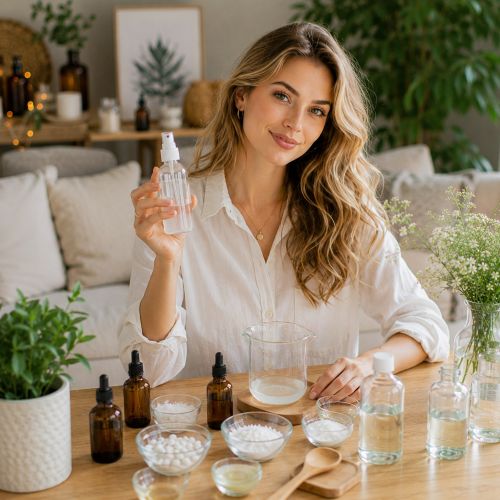 Maintaining healthy hair in an environment filled with thermal styling and external pollutants requires more than just a basic wash. A high performance leave in spray containing Polyquaternium and Panthenol acts as a sophisticated shield that restores the structural integrity of the hair shaft. While Polyquaternium serves as a powerful conditioning agent that neutralizes static and smooths the cuticle Panthenol or Provitamin B5 penetrates deep into the cortex to provide long lasting hydration. This combination transforms dull and tangled hair into a manageable mirror like canvas.
This comprehensive guide explores the molecular benefits of these key ingredients and provides professional grade recipes for creating your own bioactive hair mist at home.
Beneficial Properties of Polyquaternium and Panthenol for Hair Health
Polyquaternium is a category of cationic polymers specifically designed to bond with the negatively charged damaged areas of the hair. By adhering to the hair surface it creates a microscopic protective film that significantly reduces friction between strands. This action prevents mechanical damage during brushing and eliminates the frizz caused by static electricity. It gives the hair a soft velvety feel and a healthy weight without causing the dreaded greasy buildup often associated with heavy silicones.
Panthenol acts as a humectant that attracts and binds moisture to the hair fibers. Unlike surface level conditioners Panthenol has a small molecular structure that allows it to enter the hair shaft where it converts into pantothenic acid. This process helps to increase hair elasticity and prevents breakage by making the strands more resilient to stretching. On the scalp it provides soothing anti inflammatory benefits making it ideal for those with sensitive skin or those who frequently use heat tools.
Advantages of Handcrafted Hair Sprays Over Industrial Analogs
The majority of mass market hair sprays rely heavily on volatile alcohols and synthetic fragrances that can actually strip the hair of its natural oils over time. Industrial formulas often use the cheapest versions of conditioners and minimal amounts of active vitamins to keep production costs low. By formulating your own spray with Polyquaternium and Panthenol you can replace plain tap water with premium floral hydrosols and ensure that the concentration of actives is high enough to be therapeutic rather than just symbolic.
Handcrafting also allows for a clean formulation free from parabens harsh preservatives and artificial dyes. You have total control over the pH balance of the product which is vital for closing the hair cuticle and reflecting light. Furthermore you can customize the scent using pure essential oils which provide additional aromatherapy benefits and scalp health properties that synthetic perfumes simply cannot replicate.
Technical Nuances of Formulating Professional Hair Mists
Creating a stable and effective hair spray requires precision during the mixing process. Polyquaternium is typically available as a liquid and is easily soluble in water but it must be introduced slowly to ensure it does not clump or separate. Panthenol is also highly water soluble but it is sensitive to extreme pH levels. For a leave in product the optimal pH is between four point five and five point five. This slightly acidic range is the natural sweet spot for hair health ensuring the scales of the cuticle lay flat and smooth.
Because these sprays are water based and contain vitamins they are susceptible to microbial growth. The use of a broad spectrum eco friendly preservative is mandatory to keep the product safe for use. Additionally if you choose to incorporate essential oils for fragrance they must be pre mixed with a solubilizer or a small amount of glycerin to ensure they disperse evenly throughout the water base rather than floating on the surface.
Recipe One Intensive Hydration and Anti Static Mist
A perfect daily solution for fine or flyaway hair that suffers from dryness and winter static.
Composition Eighty milliliters distilled water Three milliliters Polyquaternium 7 Five milliliters Panthenol Five milliliters vegetable glycerin Two drops Lavender essential oil Eco certified preservative
Preparation Step one Sanitize all laboratory equipment and containers with a seventy percent alcohol solution. Step two Measure the distilled water into a clean glass beaker at room temperature. Step three Slowly add the Polyquaternium 7 while stirring continuously with a glass rod until the liquid is clear and uniform. Step four Incorporate the Panthenol and vegetable glycerin into the mixture stirring for one minute. Step five In a small separate vessel mix the Lavender essential oil with a few drops of glycerin then add it to the main beaker. Step six Add the eco certified preservative according to the manufacturer instructions. Step seven Transfer the finished mist into a high quality spray bottle with a fine mist nozzle.
Recipe Two Thermal Protection and Structural Repair Spray
Designed for those who frequently use blow dryers or flat irons and need a protective barrier against heat.
Composition Seventy milliliters Rosemary hydrosol Four milliliters Polyquaternium 10 Three milliliters Panthenol Five milliliters water soluble Argan oil Two milliliters hydrolyzed keratin Preservative
Preparation Step one Disinfect the workspace and all measuring tools thoroughly. Step two Combine the Rosemary hydrosol with the Panthenol and stir until fully dissolved. Step three Gradually introduce the Polyquaternium 10 into the hydrosol stirring vigorously to prevent any sediment. Step four Add the water soluble Argan oil which provides the essential thermal protection properties. Step five Fold in the hydrolyzed keratin to help reinforce the hair protein structure. Step six Add the preservative system and check the pH level with a test strip. Step seven Shake well to ensure all active components are stabilized before the first application.
Recipe Three Silk Smoothness and Gloss Fluid Spray
A concentrated formula for thick or coarse hair that requires maximum smoothing and a mirror like finish.
Composition Sixty milliliters Rose hydrosol Five milliliters Polyquaternium 7 Seven milliliters Panthenol Ten milliliters liquid Aloe Vera gel Three milliliters silk amino acids Preservative
Preparation Step one Ensure all beakers and stirring rods are sterile. Step two Mix the Rose hydrosol with the liquid Aloe Vera gel until the texture is smooth. Step three Add the Polyquaternium 7 in small increments while observing the clarity of the solution. Step four Introduce the Panthenol and silk amino acids which will provide the hair with incredible softness. Step five Stir the formulation manually for three minutes to ensure the polymer chains are evenly distributed. Step six Incorporate the chosen preservative to maintain the shelf life. Step seven Pour the spray into a dark glass or plastic bottle to protect the botanical extracts from light.
Detailed Recommendations for Application and Usage
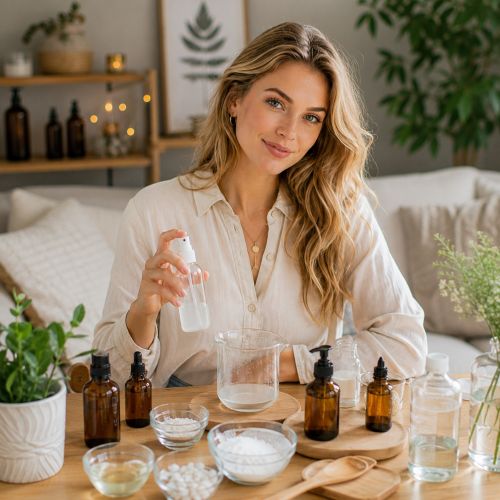
To achieve the best results with a Polyquaternium and Panthenol spray apply it to freshly washed hair. After towel drying your hair so that it remains damp but not dripping wet spray the product from about fifteen centimeters away. Focus the application on the mid lengths and ends where the hair is most porous and prone to damage. Using a wide tooth comb immediately after spraying will help distribute the polymers evenly across every strand.
The spray does not require rinsing and acts as a foundation for any further styling products. If your hair becomes dry or frizzy during the day you can lightly mist the surface of dry hair to reactivate the smoothing properties of the Polyquaternium. Because Panthenol builds up moisture over time regular use will result in hair that feels progressively stronger and more elastic with each application.
Storage Guidelines and Product Stability Maintenance
Handcrafted hair sprays are sensitive to temperature fluctuations and direct sunlight. It is recommended to store your spray bottle in a cool dark place such as a bathroom cabinet or even a refrigerator for an extra refreshing effect during the summer months. Keeping the product away from heat prevents the Panthenol and botanical hydrosols from losing their potency.
The shelf life of a homemade spray with an eco preservative is typically three to four months. Always keep the spray nozzle cap on when not in use to prevent bacterial contamination and to stop the product from drying out inside the pump mechanism. If you notice any change in color odor or the appearance of cloudiness discard the product and prepare a fresh batch. Following these hygiene and storage rules ensures that your hair receives only the highest quality care with every mist.


Cosmetic ingredients and professional formulation blog
This section features expert materials on modern cosmetic actives. We cover peptides, polynucleotides PDRN, different forms of hyaluronic acid, retinoids, ceramides and other key components.
Special focus is given to active stability, ingredient compatibility and correct incorporation into formulas. You will find practical guides on working with anti-age actives, moisturizing complexes and barrier repair ingredients.
We examine how to properly combine myorelaxants with peptides, common mistakes when using unstable vitamin C forms and ways to improve the performance of moisturizing actives.
Separate materials are dedicated to base oils, extracts, emulsifiers and supporting ingredients. This helps create stable and effective formulas for both professional and home cosmetics.
The blog regularly publishes reviews of trending actives, comparisons of similar ingredients and step-by-step formulation recommendations. The content is aimed at formulators, technologists and anyone seriously involved in creating cosmetic products.
Why this blog is useful
Here you will find practical data on eye area care actives, lifting systems and ingredients that improve skin firmness and tone. We rely on real formulation experience and address the actual challenges that arise during product development.
You can also explore materials on skin protection and repair, depigmentation and anti-inflammatory actives. This approach supports a more systematic selection of ingredients.
FAQ
What topics are covered most often
The blog focuses on peptides, PDRN, hyaluronic acid of different molecular weights, retinoids, ceramides and their compatibility rules.
Are there practical recommendations on how to incorporate actives
Yes, most articles include practical notes on pH stability, incorporation temperature and common formulation mistakes.
Is the content only for professionals
The materials are useful both for formulators and technologists and for those who create cosmetics for personal use and want to understand how modern ingredients work.
Where can I go directly to the ingredients
All key actives are collected in the Actives section, while base components are available in base oils and related categories.



