-
 DIY: Video master classes
-
 Aromatherapy
-
 Felting master classes
-
 Eating at home
-
 DIY cosmetics for children
-
 Cooking recipes
-
 Detergents, cleaning products with your own hands
-
 Soap making as a business
-
 Natural cosmetics. Raw materials for cosmetics and soap.
-
 Natural oils in cosmetics
-
 News
-
 Recipes for balms and conditioners
-
 Bath Bomb Recipes
-
 Cream recipes. Cream making.
-
 Lotion recipes. Gel recipes.
-
 Mask recipes
-
 Soap recipes. Base soap. Soap from scratch.
-
 Recipes for all occasions
-
 Natural shampoo recipes
-
 Healthy Nutrition Recipes
-
 Scrub recipes. Massage tiles. Ubtan
-
 DIY candles
-
 Reference materials, questions, tips
-
 Startup - soap production
-
 Hair care. Tips, recipes
-
 Facial skin care. Cleansers.
-
 Body care. Tips, recipes
-
 Photo Reviews
-
 Chocolate Handmade


Lamellar fluid cream: modern skin care
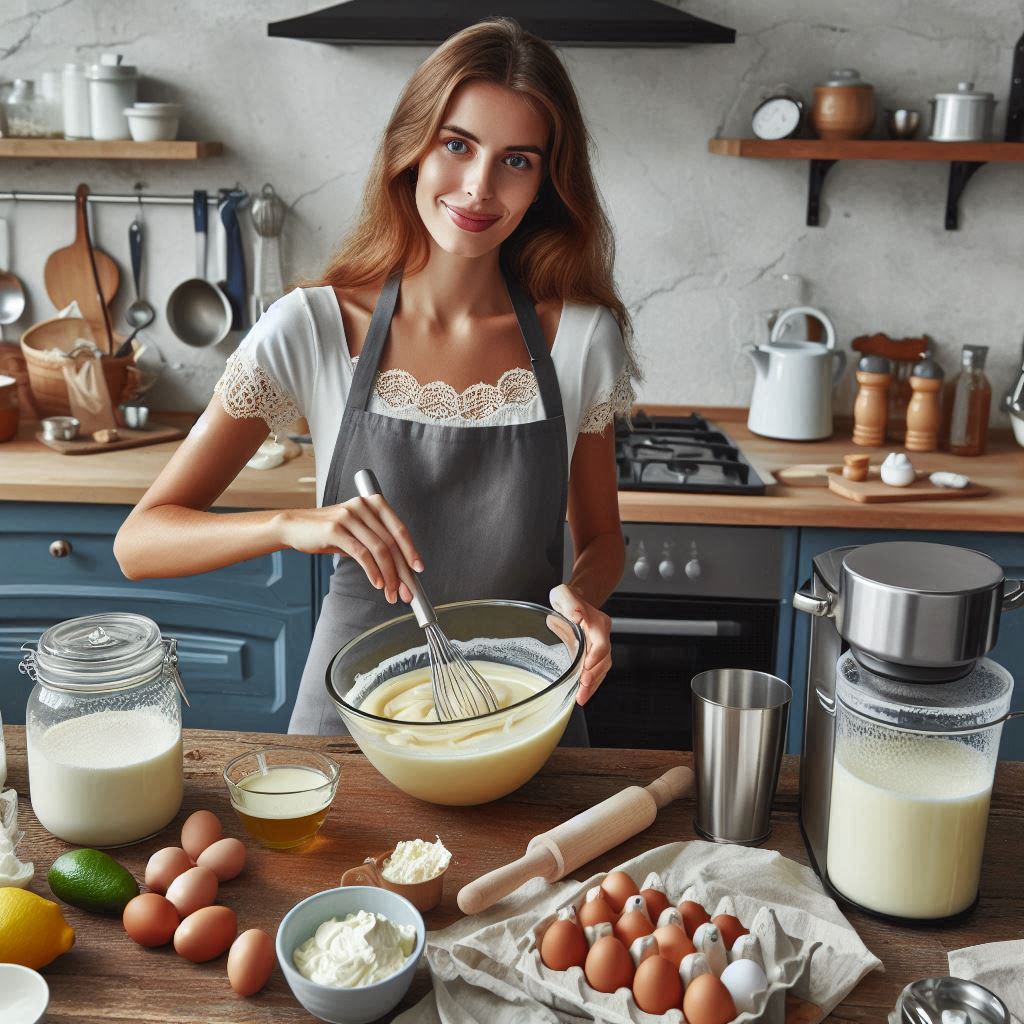 Lamellar cream-fluids represent a significant advancement in skincare technology, offering a unique approach to moisturizing and protecting the skin. Unlike traditional emulsions, which often rely on emulsifiers to create a stable mixture of oil and water, lamellar cream-fluids mimic the natural structure of the skin's lipid barrier. This innovative approach leads to several key advantages:
- Deep and Prolonged Hydration: Lamellar structures, resembling the layered arrangement of lipids in the skin, allow for deeper penetration of moisturizing ingredients. This results in more effective hydration and a longer-lasting moisturizing effect.
- Enhanced Barrier Function: By mimicking the skin's natural barrier, lamellar cream-fluids help to strengthen and repair the lipid barrier, improving its ability to retain moisture and protect against external aggressors like pollution and environmental stressors.
- Improved Delivery of Active Ingredients: The unique structure of lamellar emulsions facilitates the efficient delivery of active ingredients such as antioxidants, peptides, and vitamins deep into the skin, maximizing their efficacy.
- Lightweight Texture: Lamellar cream-fluids typically have a light, non-greasy texture that absorbs quickly into the skin, leaving no residue.
- Suitable for All Skin Types: Due to their gentle nature and ability to be customized, lamellar cream-fluids can be formulated to suit various skin types, including sensitive, oily, and mature skin.
Key Components of Lamellar Cream-Fluids:
- Lipids: These are essential for creating the lamellar structure. Common lipids used include phospholipids, ceramides, cholesterol, and fatty acids.
- Hydrophilic Compounds: These include humectants like hyaluronic acid, glycerin, and sorbitol, which attract and retain moisture in the skin.
- Emollients: These provide a smooth, soft feel to the skin and help to improve skin texture. Common emollients include squalane, shea butter, and jojoba oil.
- Active Ingredients: These can include antioxidants, peptides, vitamins, and other beneficial compounds tailored to specific skin concerns.
Creating Lamellar Cream-Fluids at Home:
While the precise formulation of lamellar cream-fluids can be complex, basic principles can be applied to create simple, yet effective versions at home. Here are three recipes to get you started:
1. Basic Lamellar Cream-Fluid with Hyaluronic Acid
-
Ingredients:
- Phosphatidylcholine (lecithin) – 2%
- Hyaluronic Acid (sodium hyaluronate) – 1%
- Squalane – 5%
- Glycerin – 3%
- Rosehip Seed Oil – 3%
- Distilled Water – 86%
-
Instructions:
- Gently heat distilled water to a temperature of 70-80°C.
- In a separate container, combine phosphatidylcholine, squalane, glycerin, and rosehip seed oil.
- Slowly add the heated water to the lipid phase while stirring continuously using an immersion blender or a magnetic stirrer.
- Continue blending until a smooth, homogenous emulsion forms.
- Once cooled, incorporate hyaluronic acid.
- Store in a clean, airtight container in a cool, dark place.
2. Anti-Aging Lamellar Cream-Fluid with Vitamin C
-
Ingredients:
- Phosphatidylcholine (lecithin) – 2%
- Hyaluronic Acid (sodium hyaluronate) – 1%
- Squalane – 5%
- Vitamin C (L-ascorbic acid) – 2%
- Ferulic Acid – 0.5%
- Distilled Water – 89.5%
-
Instructions:
- Dissolve vitamin C and ferulic acid in a small amount of distilled water.
- Follow the instructions for the Basic Lamellar Cream-Fluid, adding the vitamin C solution to the cooled emulsion.
- Store in a dark, airtight container in the refrigerator to maintain stability.
3. Soothing Lamellar Cream-Fluid with Aloe Vera
-
Ingredients:
- Phosphatidylcholine (lecithin) – 2%
- Hyaluronic Acid (sodium hyaluronate) – 1%
- Squalane – 5%
- Aloe Vera Gel – 10%
- Allantoin – 0.5%
- Distilled Water – 71.5%
-
Instructions:
- Follow the instructions for the Basic Lamellar Cream-Fluid, incorporating aloe vera gel into the lipid phase.
- Add allantoin to the cooled emulsion.
- Store in a clean, airtight container in a cool, dark place.
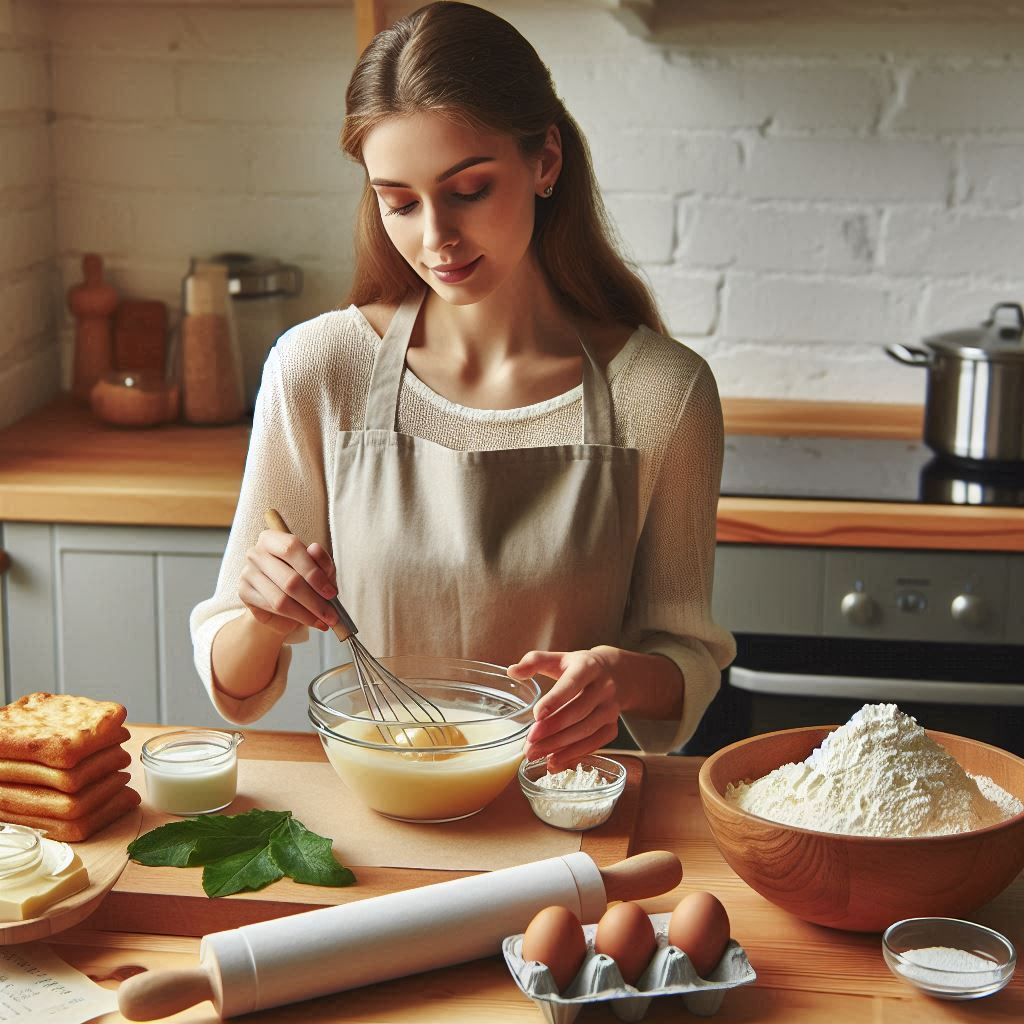 Recommendations for Use and Storage:
- Cleanliness: Ensure all equipment and containers used for preparation are thoroughly cleaned and sanitized.
- Freshness: Use freshly prepared cream-fluids within 2-4 weeks for optimal efficacy.
- Storage: Store cream-fluids in a cool, dark, and dry place, away from direct sunlight. Refrigeration can help to extend shelf life.
- Patch Test: Before applying any homemade cosmetic product to your face, perform a patch test on a small area of skin to check for any adverse reactions.
- Customization: These recipes can be customized by adding other active ingredients such as peptides, ceramides, antioxidants, and essential oils according to your specific skin concerns.
- Professional Guidance: For more advanced formulations or if you have specific skin conditions, it's always advisable to consult with a qualified cosmetic chemist or formulator.
Disclaimer: This information is provided for educational purposes only and should not be considered medical advice. Always consult with a qualified healthcare professional for any skin concerns.
This article provides a basic introduction to the concept of lamellar cream-fluids and offers simple recipes for home preparation. Remember that creating stable and effective cosmetic formulations requires careful consideration of ingredients, ratios, and processing techniques.


Cosmetic ingredients and professional formulation blog
This section features expert materials on modern cosmetic actives. We cover peptides, polynucleotides PDRN, different forms of hyaluronic acid, retinoids, ceramides and other key components.
Special focus is given to active stability, ingredient compatibility and correct incorporation into formulas. You will find practical guides on working with anti-age actives, moisturizing complexes and barrier repair ingredients.
We examine how to properly combine myorelaxants with peptides, common mistakes when using unstable vitamin C forms and ways to improve the performance of moisturizing actives.
Separate materials are dedicated to base oils, extracts, emulsifiers and supporting ingredients. This helps create stable and effective formulas for both professional and home cosmetics.
The blog regularly publishes reviews of trending actives, comparisons of similar ingredients and step-by-step formulation recommendations. The content is aimed at formulators, technologists and anyone seriously involved in creating cosmetic products.
Why this blog is useful
Here you will find practical data on eye area care actives, lifting systems and ingredients that improve skin firmness and tone. We rely on real formulation experience and address the actual challenges that arise during product development.
You can also explore materials on skin protection and repair, depigmentation and anti-inflammatory actives. This approach supports a more systematic selection of ingredients.
FAQ
What topics are covered most often
The blog focuses on peptides, PDRN, hyaluronic acid of different molecular weights, retinoids, ceramides and their compatibility rules.
Are there practical recommendations on how to incorporate actives
Yes, most articles include practical notes on pH stability, incorporation temperature and common formulation mistakes.
Is the content only for professionals
The materials are useful both for formulators and technologists and for those who create cosmetics for personal use and want to understand how modern ingredients work.
Where can I go directly to the ingredients
All key actives are collected in the Actives section, while base components are available in base oils and related categories.



