-
 DIY: Video master classes
-
 Aromatherapy
-
 Felting master classes
-
 Eating at home
-
 DIY cosmetics for children
-
 Cooking recipes
-
 Detergents, cleaning products with your own hands
-
 Soap making as a business
-
 Natural cosmetics. Raw materials for cosmetics and soap.
-
 Natural oils in cosmetics
-
 News
-
 Recipes for balms and conditioners
-
 Bath Bomb Recipes
-
 Cream recipes. Cream making.
-
 Lotion recipes. Gel recipes.
-
 Mask recipes
-
 Soap recipes. Base soap. Soap from scratch.
-
 Recipes for all occasions
-
 Natural shampoo recipes
-
 Healthy Nutrition Recipes
-
 Scrub recipes. Massage tiles. Ubtan
-
 DIY candles
-
 Reference materials, questions, tips
-
 Startup - soap production
-
 Hair care. Tips, recipes
-
 Facial skin care. Cleansers.
-
 Body care. Tips, recipes
-
 Photo Reviews
-
 Chocolate Handmade


CO2 Extracts vs. Dry Extracts: Which to Choose for Different Formulas
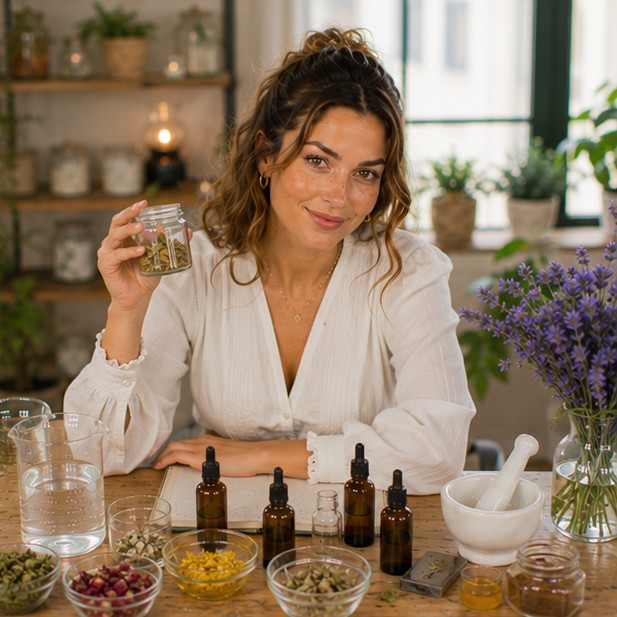 In modern cosmetic chemistry, enriching formulations with botanical bio-actives is fundamental to creating high-performance skincare. However, the efficacy of a finished product depends not only on the selected plant species but also on the specific extraction methodology used to isolate its active compounds. Among the most potent raw materials available for custom formulation are supercritical CO2 extracts and concentrated dry botanical extracts.
The fundamental difference between these two forms lies in their chemical structure, solubility, and molecular composition. Supercritical CO2 extracts are produced using liquefied carbon dioxide under high pressure as a solvent. This advanced extraction technique isolates lipophilic compounds, essential oils, natural resins, and oil-soluble vitamins without thermal degradation or toxic chemical residues. Conversely, dry extracts are fine, water-soluble powders obtained by drying aqueous or hydro-alcoholic plant infusions. They are rich in polyphenols, tannins, water-soluble vitamins, and polysaccharides, making them ideal for aqueous applications.
Decision Criteria for Matching Extracts to Cosmetic Bases
Selecting between a supercritical CO2 extract and a dry powder form depends on the phase composition of the intended cosmetic base and the target dermal activity.
Formulation guidelines for extract selection Criterion first Purely aqueous systems such as facial toners, micellar waters, and light hydrating gels perform best with dry botanical extracts. These water-soluble powders dissolve completely in liquid bases without causing phase separation or requiring harsh solubilizers. Criterion second Anhydrous oil serums, lip balms, body butters, and the lipid phase of emulsions require supercritical CO2 extracts. These oil-soluble extracts blend seamlessly into lipid bases, enhancing skin barrier repair and boosting the antioxidant profile of the oil matrix. Criterion third Complex emulsions like creams, lotion gels, and fluids benefit from combining both extract types. Dry powder extracts are dissolved into the water phase prior to emulsification, while CO2 extracts are introduced into the cool-down active phase. Criterion fourth Aesthetic clarity and product stability should dictate your choice. Excessive amounts of dry extracts can create minor cloudiness or natural sediment in clear toners, whereas CO2 extracts remain completely clear and homogeneous when dissolved in oils.
Processing Protocols, Temperature Control, and Formulation pH
Preserving the delicate biological integrity of botanical extracts requires strict adherence to thermal and chemical boundaries during production.
Thermal Processing Limits Both supercritical CO2 extracts and dry botanical powders are highly sensitive to thermal degradation. They must be introduced into custom formulations exclusively during the cool-down phase when the mixture temperature drops strictly below thirty degrees Celsius. Exposing plant extracts to elevated temperatures causes rapid oxidation of flavonoids, breakdown of vitamins, and loss of volatile aromatic molecules.
Pre-Dissolution Guidelines Dry powdered extracts should always be pre-dissolved in a small quantity of distilled water or hydrosol before being added to the main mixture. This prevents clumping and guarantees an even dispersion. Similarly, thick or resinous CO2 extracts should be pre-mixed with a small portion of a carrier oil before being stirred into an emulsion base.
pH Range and Formula Stability Botanical extracts exhibit maximum bio-activity and chemical stability within a physiological pH range of five point zero to six point five. Extreme acidity or alkalinity can alter the natural color of plant pigments, degrade active polyphenols, or cause unexpected thinning in polymeric gel networks.
Superiority of Concentrated Extracts Over Mass-Market Products
Industrial cosmetic products frequently rely on diluted glycolic, glycerinic, or hydro-alcoholic extracts. These commercial liquid extracts contain low concentrations of actual botanical matter—often under five percent—with the vast majority of the volume consisting of cheap synthetic solvents. Furthermore, the presence of residual propylene glycol or denatured alcohol in mass-market additives can cause skin dryness, barrier disruption, and contact sensitization.
Incorporating pure supercritical CO2 extracts and concentrated dry powders into small-batch formulations provides one hundred percent active botanical power without unwanted chemical fillers. Formulating custom products allows for precise therapeutic dosing between zero point five and two percent, guaranteeing maximum bioavailability, superior skin tolerance, and visible physiological results.
Laboratory Sanitation and Equipment Sterilization Protocol
Working with unrefined botanical materials demands meticulous sanitation to prevent microbial contamination and spoilage.
Thoroughly disinfect your entire workspace using a broad-spectrum surface sanitizer. Wash your hands with warm water and antibacterial soap, then put on sterile disposable nitrile gloves. Wash all laboratory equipment, including glass beakers, glass stirring rods, digital scales, micro-pipettes, and final packaging containers. Rinse every item with distilled water to remove tap water minerals, then spray generously with seventy percent isopropyl alcohol. Allow all instruments to air-dry completely on clean paper towels before measuring ingredients.
Recipe First Soothing Green Tea Dry Extract Facial Toner
A lightweight, clarifying daily toner designed to calm redness, tighten pores, and provide powerful antioxidant protection for oily and combination skin types.
Composition forty-four milliliters chamomile hydrosol zero point three grams dry green tea extract powder one milliliter D-panthenol one milliliter low molecular weight hyaluronic acid solution one milliliter Geogard 221 eco preservative
Preparation Step first Sanitize glass beakers, glass stirring rod, digital scale, and a fine-mist spray bottle using seventy percent isopropyl alcohol. Step second Measure five milliliters of chamomile hydrosol into a small glass beaker and dissolve zero point three grams of dry green tea extract powder completely until clear. Step third In a separate beaker containing the remaining thirty-nine milliliters of chamomile hydrosol, stir in one milliliter of D-panthenol and one milliliter of low molecular weight hyaluronic acid solution. Step fourth Combine the pre-dissolved green tea extract mixture into the main hydrosol base and stir thoroughly with a glass rod. Step fifth Confirm that the solution temperature is strictly below thirty degrees Celsius, then stir in one milliliter of Geogard 221 eco preservative. Step sixth Verify that the final pH measures five point five, adjusting with a drop of weak lactic acid if required. Step seventh Pour the clarifying toner into your sanitized fine-mist spray bottle.
Recipe Second Regenerative Sea Buckthorn and Rosehip CO2 Oil Serum
A deeply restorative, golden lipid serum engineered to repair the skin barrier, nourish depleted tissue, and restore elasticity in dry or mature skin.
Composition thirty milliliters jojoba oil thirteen milliliters argan oil zero point five milliliters sea buckthorn fruit CO2 extract zero point five milliliters rosehip seed CO2 extract one milliliter vitamin E oil
Preparation Step first Disinfect glass beaker, glass stirring rod, digital scale, and a dark glass dropper bottle using seventy percent isopropyl alcohol. Step second Combine thirty milliliters of jojoba oil and thirteen milliliters of argan oil in a clean glass beaker at room temperature. Step third Accurately measure zero point five milliliters of sea buckthorn fruit CO2 extract and zero point five milliliters of rosehip seed CO2 extract into the oil base. Step fourth Add one milliliter of vitamin E oil to protect the lipid matrix and botanical extracts against oxidation. Step fifth Stir the oil mixture continuously for three minutes with a glass stirring rod until a completely uniform, brilliant amber liquid is formed. Step sixth Confirm that there is no sediment and that all CO2 extracts are fully integrated. Step seventh Decant the regenerative serum into your sanitized dark glass dropper bottle.
Recipe Third Barrier-Restoring Cream Fluid with Aloe Powder and Chamomile CO2
A soothing, multi-depth emulsion crafted to reinforce barrier function, alleviate environmental stress, and provide lasting hydration.
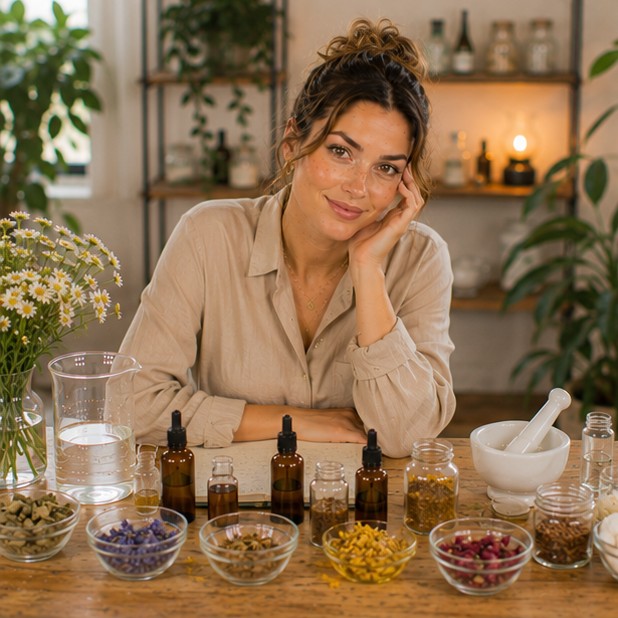
Composition thirty-five milliliters distilled water zero point two grams dry aloe vera extract powder four milliliters sweet almond oil zero point five milliliters chamomile CO2 extract two grams Olivem 1000 emulsifier one milliliter Euxyl K712 eco preservative
Preparation Step first Sanitize heat-safe glass beakers, mini whisk, digital scale, and an airless pump container using seventy percent isopropyl alcohol. Step second Dissolve zero point two grams of dry aloe vera extract powder into five milliliters of lukewarm distilled water in a small glass beaker. Step third Measure thirty milliliters of distilled water into one heat-safe beaker, and combine four milliliters of sweet almond oil with two grams of Olivem 1000 emulsifier in a second heat-safe beaker. Step fourth Heat both beakers in a gentle water bath until reaching seventy degrees Celsius, then pour the water phase into the oil phase while whisking rapidly until a smooth emulsion forms. Step fifth Allow the cream to cool below thirty degrees Celsius, then stir in the dissolved aloe vera mixture and zero point five milliliters of chamomile CO2 extract. Step sixth Add one milliliter of Euxyl K712 eco preservative, mix thoroughly for two minutes, and confirm the formulation pH measures six point zero. Step seventh Transfer the cream fluid into your sanitized airless pump dispenser.
Application Protocols and Daily Integration
Proper application methods maximize the therapeutic absorption of plant extracts while supporting skin health.
Apply water-based toners containing dry extracts immediately after cleansing while the skin remains slightly damp, pressing the liquid gently into the face and neck. Emulsion creams containing combined extract phases should be applied over toners to lock in active hydration. Anhydrous oil serums containing supercritical CO2 extracts are best utilized during evening skincare routines: warm two to three drops between clean palms and press gently into damp skin, or mix a single drop directly into a portion of your daily moisturizing cream. Always perform a patch test on the inner forearm prior to introducing new botanical extracts into your skincare regimen.
Storage Conditions and Raw Material Shelf-Life Guidelines
Botanical extracts and finished preparations require specific environmental protection to prevent oxidation and potency loss.
Store dry powdered extracts in tightly sealed, airtight glass containers in a dry, dark room at room temperature. Because powdered plant extracts are highly hygroscopic, exposure to ambient humidity will cause rapid caking and degradation. Keep supercritical CO2 extracts in tightly capped dark amber glass vials in a cool environment. Finished custom skincare preparations should be stored away from direct sunlight at stable temperatures between eight and fourteen degrees Celsius, such as inside a cosmetic refrigerator. Formulated under strict sanitary conditions and preserved with broad-spectrum eco-certified systems, custom extract formulations maintain full stability and biological potency for six to eight weeks.


Cosmetic ingredients and professional formulation blog
This section features expert materials on modern cosmetic actives. We cover peptides, polynucleotides PDRN, different forms of hyaluronic acid, retinoids, ceramides and other key components.
Special focus is given to active stability, ingredient compatibility and correct incorporation into formulas. You will find practical guides on working with anti-age actives, moisturizing complexes and barrier repair ingredients.
We examine how to properly combine myorelaxants with peptides, common mistakes when using unstable vitamin C forms and ways to improve the performance of moisturizing actives.
Separate materials are dedicated to base oils, extracts, emulsifiers and supporting ingredients. This helps create stable and effective formulas for both professional and home cosmetics.
The blog regularly publishes reviews of trending actives, comparisons of similar ingredients and step-by-step formulation recommendations. The content is aimed at formulators, technologists and anyone seriously involved in creating cosmetic products.
Why this blog is useful
Here you will find practical data on eye area care actives, lifting systems and ingredients that improve skin firmness and tone. We rely on real formulation experience and address the actual challenges that arise during product development.
You can also explore materials on skin protection and repair, depigmentation and anti-inflammatory actives. This approach supports a more systematic selection of ingredients.
FAQ
What topics are covered most often
The blog focuses on peptides, PDRN, hyaluronic acid of different molecular weights, retinoids, ceramides and their compatibility rules.
Are there practical recommendations on how to incorporate actives
Yes, most articles include practical notes on pH stability, incorporation temperature and common formulation mistakes.
Is the content only for professionals
The materials are useful both for formulators and technologists and for those who create cosmetics for personal use and want to understand how modern ingredients work.
Where can I go directly to the ingredients
All key actives are collected in the Actives section, while base components are available in base oils and related categories.



