-
 DIY: Video master classes
-
 Aromatherapy
-
 Felting master classes
-
 Eating at home
-
 DIY cosmetics for children
-
 Cooking recipes
-
 Detergents, cleaning products with your own hands
-
 Soap making as a business
-
 Natural cosmetics. Raw materials for cosmetics and soap.
-
 Natural oils in cosmetics
-
 News
-
 Recipes for balms and conditioners
-
 Bath Bomb Recipes
-
 Cream recipes. Cream making.
-
 Lotion recipes. Gel recipes.
-
 Mask recipes
-
 Soap recipes. Base soap. Soap from scratch.
-
 Recipes for all occasions
-
 Natural shampoo recipes
-
 Healthy Nutrition Recipes
-
 Scrub recipes. Massage tiles. Ubtan
-
 DIY candles
-
 Reference materials, questions, tips
-
 Startup - soap production
-
 Hair care. Tips, recipes
-
 Facial skin care. Cleansers.
-
 Body care. Tips, recipes
-
 Photo Reviews
-
 Chocolate Handmade


Wax tiles with soy wax and perfume fragrance
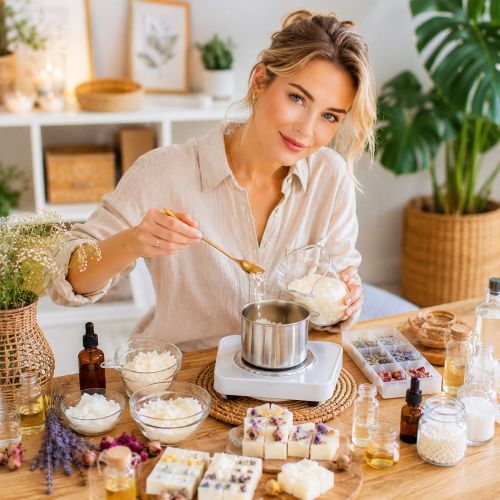 Aromatherapy and home scenting have become vital components of modern self care and interior design. Traditional synthetic air fresheners and petroleum based paraffin products are increasingly being replaced by clean botanical alternatives. Scented wax bars crafted from premium soy wax and fine perfume oils represent a sophisticated safe and highly aesthetic alternative. Commonly known as Florentine sachets these solid aroma bars are designed to delicately scent closets linen drawers wardrobes and small interior spaces without the need for heat or electricity.
This comprehensive guide explores the physical and chemical properties of botanical waxes the technology behind trapping fragrance in a soy crystalline matrix and three professional recipes to create long lasting wax bars at home.
Beneficial and Technical Properties of Soy Wax for Home Scents
Soy wax is a completely renewable and biodegradable material derived from the hydrogenation of soybean oil. Unlike paraffin wax which is a byproduct of petroleum refining soy wax does not release toxic compounds such as benzene or toluene into the air when it interacts with the environment. Its molecular structure is naturally soft and pliable making it an exceptional carrier for complex perfume oils.
One of the greatest technical advantages of soy wax is its low melting point and its ability to release fragrance gradually. It encapsulates volatile fragrance molecules within its crystal structure and releases them slowly at room temperature. This provides a sustained uniform release of aroma without the overwhelming chemical spikes characteristic of synthetic air fresheners making it exceptionally safe for small enclosed spaces.
Advantages of Handcrafted Soy Wax Bars Over Industrial Analogs
The main drawback of mass market wardrobe fresheners is their reliance on synthetic plastic bases and cheap chemical deodorizers that can trigger headaches and respiratory irritation. Handcrafted soy wax bars are created using purely botanical waxes and high quality certified perfume oils. By making them yourself you gain absolute control over the quality origin and intensity of the fragrance profile.
Beyond health benefits handcrafted wax bars offer far superior aesthetics and functionality. They do not dry out like industrial scented gels and they do not crumble like dried herbs in traditional fabric sachets. The solid wax base provides a stable beautiful canvas for artistic expression. You can embed dried botanicals minerals crystals or spices transforming a simple air freshener into a stunning piece of interior decor.
Technical Nuances of Fragrance Binding and Soy Wax Crafting
Working with soy wax requires a precise understanding of temperature dynamics. Soy wax begins to melt at a relatively low temperature around fifty degrees. However the most critical step in the manufacturing process is the temperature at which the perfume fragrance is introduced. If you add the fragrance oil to wax that is too hot the volatile top notes of the perfume will evaporate before the wax can solidify. If the wax is too cool the fragrance oil cannot bind correctly with the wax molecules resulting in poor aroma throw or oily patches on the surface of the finished bar.
The optimal window for incorporating the fragrance is when the wax is fully liquid and transparent but has cooled down to approximately sixty to sixty five degrees. To enhance the hardness and temperature resistance of natural soy wax it is common practice to introduce a small percentage of stearic acid or soy stearin into the formulation. This prevents the wax bar from softening during hot summer months and ensures crisp clean edges when demolding from silicone shapes.
Recipe One Classic Florentine Sachet for Wardrobes and Linens
A beautifully firm wax bar infused with a powdery clean floral fragrance profile designed to keep clothing smelling freshly laundered.
Composition Eighty grams pure soy wax for tarts Twenty grams stearic acid Ten milliliters premium perfume oil with white suede and cotton notes Dried lavender buds and miniature rose petals for decoration
Preparation Step one Prepare your silicone sachet molds ensuring they are completely clean dry and free of dust. Step two Combine the soy wax flakes and stearic acid in a heat resistant glass or stainless steel pouring pitcher. Step three Melt the mixture gently using a water bath stirring occasionally until the solids have fully transitioned into a clear liquid. Step four Remove the pitcher from the water bath and allow the liquid base to cool at room temperature until it feels moderately warm. Step five Slowly pour the perfume oil into the warm wax and stir gently and continuously for two full minutes to ensure complete molecular binding. Step six Carefully pour the fragranced wax into the silicone molds leaving a tiny bit of space at the top. Step seven Wait until the edges of the wax bars begin to turn opaque white then delicately arrange the dried lavender and rose petals on the surface and let the bars cure undisturbed for three hours.
Recipe Two High Throw Wax Melts for Aroma Lamps
A highly concentrated formula designed to be broken into small cubes and melted in a wax warmer for rapid room filling fragrance.
Composition Ninety grams pillar soy wax Ten grams refined coconut wax for enhanced melt pool dynamics Twelve milliliters premium fragrance oil with tobacco and vanilla notes A pinch of ground cinnamon for visual texture
Preparation Step one Clean your small silicone cube molds with a lint free cloth. Step two Melt the soy wax and coconut wax together in a deep heat resistant beaker over a gentle steam bath. Step three Ensure the blend is completely transparent and homogeneous before removing it from the heat source. Step four Allow the wax base to cool down to a warm liquid state that is no longer steaming. Step five Add the tobacco and vanilla perfume fragrance oil and mix thoroughly using slow circular motions with a glass stirring rod. Step six Stir a pinch of ground cinnamon into the warm wax ensuring it stays suspended without clumping. Step seven Pour the liquid quickly into the small cube molds and allow them to stabilize at room temperature for twenty four hours before your first melting session.
Recipe Three Interior Aroma Slab with Botanical Citrus Decor
A vibrant energizing aroma bar designed to serve as a stunning desk accessory and a source of daytime focus.
Composition Seventy five grams soy wax Twenty five grams soy stearin Eight milliliters perfume fragrance oil with Sicilian mandarin and bergamot notes Dried mini orange slices and whole star anise stars
Preparation Step one Arrange your large dried botanicals on your workspace beforehand to plan the aesthetic layout. Step two Melt the soy wax together with the stearin over a water bath keeping the heat low to avoid boiling. Step three Remove the hot liquefied wax from the heat and let it stand for a few minutes to shed excess temperature. Step four Incorporate the citrus perfume oil and stir gently with a spatula for one hundred and twenty seconds. Step five Pour the wax into a thick rectangular mold ensuring the layer is deep enough to support heavy decorative elements. Step six Press the dried orange slices and star anise gently into the semi set wax just as a thin film begins to form over the surface. Step seven Leave the completed slab in a cool room to complete its cooling and crystallization process before carefully popping it out of the mold.
Detailed Recommendations for Application and Ideal Placement
Soy wax bars are incredibly versatile tools for localized scenting. The ideal environment for a classic Florentine sachet is a closed space such as a clothing wardrobe linen chest coat closet or dresser drawer. You can thread a ribbon through the pre molded hole to hang the bar directly on a clothes hanger or simply place it between layers of bedding. When placing the bar directly among fabrics it is recommended to wrap it loosely in a sheet of parchment paper to prevent any concentrated fragrance oils from interacting with delicate textiles.
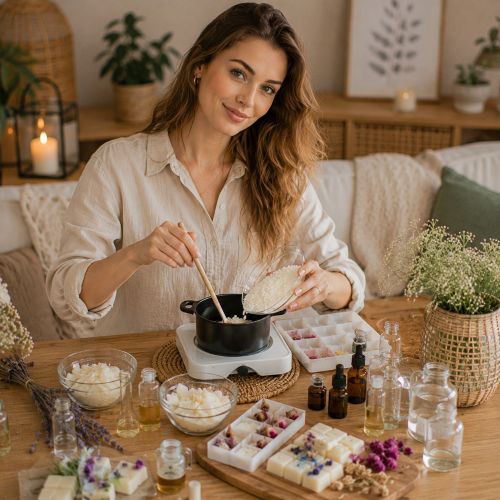
For the wax melts designed for aroma lamps do not add water to the dish. Simply place one or two cubes into the top bowl of your wax warmer and light an unscented tea light candle underneath or turn on your electric warmer. The wax will melt completely and release its perfume composition rapidly. Once you extinguish the heat source the soy wax will solidify again and can be reused multiple times until the fragrance has fully dissipated.
Storage Guidelines and Maintaining Long Term Fragrance Potency
Natural botanical soy wax is highly sensitive to external conditions especially elevated temperatures and direct UV light. Store any unused wax bars or melts in a cool dry environment. Never leave a soy sachet inside a vehicle during summer conditions because soy wax can soften or melt completely if temperatures exceed forty five degrees which can damage the car interior.
The average lifespan of active scent throw from an exposed wax bar in an open wardrobe is between two to four months. To maximize the longevity of your sachets keep them in enclosed drawers where the air circulation is minimal. If over time you notice the scent intensity beginning to fade you can simply scrape the back of the wax bar very gently with a wooden tool. This action exposes a fresh layer of the soy wax crystalline matrix and instantly renews the release of the encapsulated perfume fragrance. Following these technical storage and handling rules ensures your artisanal wax products remain potent and beautiful for a long time.


Cosmetic ingredients and professional formulation blog
This section features expert materials on modern cosmetic actives. We cover peptides, polynucleotides PDRN, different forms of hyaluronic acid, retinoids, ceramides and other key components.
Special focus is given to active stability, ingredient compatibility and correct incorporation into formulas. You will find practical guides on working with anti-age actives, moisturizing complexes and barrier repair ingredients.
We examine how to properly combine myorelaxants with peptides, common mistakes when using unstable vitamin C forms and ways to improve the performance of moisturizing actives.
Separate materials are dedicated to base oils, extracts, emulsifiers and supporting ingredients. This helps create stable and effective formulas for both professional and home cosmetics.
The blog regularly publishes reviews of trending actives, comparisons of similar ingredients and step-by-step formulation recommendations. The content is aimed at formulators, technologists and anyone seriously involved in creating cosmetic products.
Why this blog is useful
Here you will find practical data on eye area care actives, lifting systems and ingredients that improve skin firmness and tone. We rely on real formulation experience and address the actual challenges that arise during product development.
You can also explore materials on skin protection and repair, depigmentation and anti-inflammatory actives. This approach supports a more systematic selection of ingredients.
FAQ
What topics are covered most often
The blog focuses on peptides, PDRN, hyaluronic acid of different molecular weights, retinoids, ceramides and their compatibility rules.
Are there practical recommendations on how to incorporate actives
Yes, most articles include practical notes on pH stability, incorporation temperature and common formulation mistakes.
Is the content only for professionals
The materials are useful both for formulators and technologists and for those who create cosmetics for personal use and want to understand how modern ingredients work.
Where can I go directly to the ingredients
All key actives are collected in the Actives section, while base components are available in base oils and related categories.



