-
 DIY: Video master classes
-
 Aromatherapy
-
 Felting master classes
-
 Eating at home
-
 DIY cosmetics for children
-
 Cooking recipes
-
 Detergents, cleaning products with your own hands
-
 Soap making as a business
-
 Natural cosmetics. Raw materials for cosmetics and soap.
-
 Natural oils in cosmetics
-
 News
-
 Recipes for balms and conditioners
-
 Bath Bomb Recipes
-
 Cream recipes. Cream making.
-
 Lotion recipes. Gel recipes.
-
 Mask recipes
-
 Soap recipes. Base soap. Soap from scratch.
-
 Recipes for all occasions
-
 Natural shampoo recipes
-
 Healthy Nutrition Recipes
-
 Scrub recipes. Massage tiles. Ubtan
-
 DIY candles
-
 Reference materials, questions, tips
-
 Startup - soap production
-
 Hair care. Tips, recipes
-
 Facial skin care. Cleansers.
-
 Body care. Tips, recipes
-
 Photo Reviews
-
 Chocolate Handmade


Moisturizing mattifying sebum-regulating emulsion
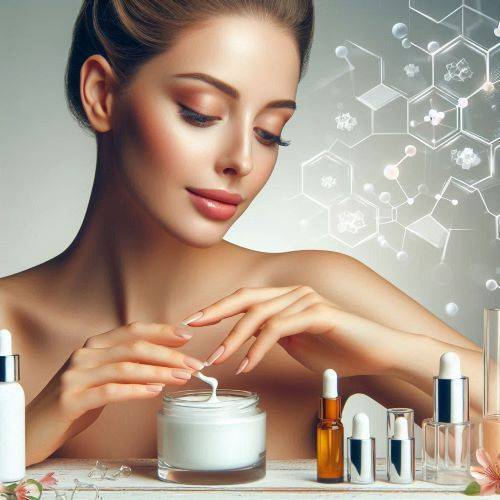 A balanced skincare routine is essential for maintaining healthy, radiant skin. A key component of such a routine is a moisturizer that not only hydrates but also mattifies and regulates sebum production. This type of moisturizer is particularly beneficial for those with oily or combination skin, as it helps to control shine without drying out the skin.
In this article, we'll explore three detailed recipes for creating a moisturizing, mattifying, and sebum-regulating emulsion. These recipes cater to different skin types and preferences, offering flexibility and customization.
Understanding the Ingredients
Before we dive into the recipes, let's understand the key ingredients that contribute to the desired properties of a moisturizing, mattifying, and sebum-regulating emulsion:
- Humectants: These ingredients attract and retain moisture from the air, keeping the skin hydrated. Examples include hyaluronic acid, glycerin, and sorbitol.
- Emollients: Emollients soften and smooth the skin by filling in the gaps between skin cells. Examples include oils like squalane, jojoba oil, and shea butter.
- Mattifying Agents: These ingredients absorb excess oil, reducing shine and providing a matte finish. Examples include silica, kaolin clay, and zinc oxide.
- Sebum Regulators: These ingredients help to normalize sebum production, preventing excessive oiliness. Examples include niacinamide, tea tree oil, and witch hazel.
Recipe 1: Lightweight, Oil-Free Emulsion
Ingredients:
- Distilled water
- Vegetable glycerin
- Hyaluronic acid
- Niacinamide
- Polyglyceryl-3 Methylglucose Distearate (PGMGD)
- Cetearyl Alcohol
- Stearic Acid
- Xanthan gum
- Phenoxyethanol (preservative)
Instructions:
- Combine Water-Soluble Ingredients: In a heat-resistant container, combine distilled water, vegetable glycerin, hyaluronic acid, and niacinamide.
- Heat Oil-Soluble Ingredients: In a separate heat-resistant container, combine PGMGD, cetearyl alcohol, and stearic acid. Heat gently until melted.
- Emulsify: Slowly pour the oil phase into the water phase while stirring continuously. Use a handheld blender to emulsify the mixture until it reaches a smooth, creamy consistency.
- Cool and Add Thickener: Allow the emulsion to cool slightly, then add xanthan gum to thicken the texture.
- Add Preservative: Once the emulsion has cooled completely, add phenoxyethanol to preserve the product.
Recipe 2: Rich, Hydrating Emulsion
Ingredients:
- Distilled water
- Vegetable glycerin
- Hyaluronic acid
- Squalane
- Cetearyl Alcohol
- Stearic Acid
- Emulsifying Wax
- Xanthan gum
- Phenoxyethanol (preservative)
Instructions:
- Combine Water-Soluble Ingredients: In a heat-resistant container, combine distilled water, vegetable glycerin, and hyaluronic acid.
- Heat Oil-Soluble Ingredients: In a separate heat-resistant container, combine squalane, cetearyl alcohol, stearic acid, and emulsifying wax. Heat gently until melted.
- Emulsify: Slowly pour the oil phase into the water phase while stirring continuously. Use a handheld blender to emulsify the mixture until it reaches a smooth, creamy consistency.
- Cool and Add Thickener: Allow the emulsion to cool slightly, then add xanthan gum to thicken the texture.
- Add Preservative: Once the emulsion has cooled completely, add phenoxyethanol to preserve the product.
Recipe 3: Mattifying, Clay-Based Emulsion
Ingredients:
- Distilled water
- Vegetable glycerin
- Hyaluronic acid
- Kaolin clay
- Cetearyl Alcohol
- Stearic Acid
- Emulsifying Wax
- Xanthan gum
- Phenoxyethanol (preservative)
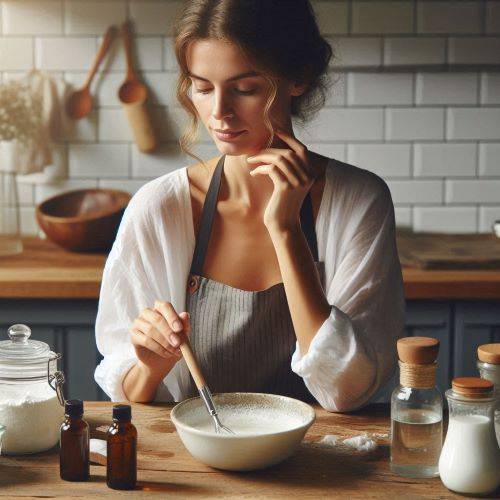 Instructions:
- Combine Water-Soluble Ingredients: In a heat-resistant container, combine distilled water, vegetable glycerin, hyaluronic acid, and kaolin clay.
- Heat Oil-Soluble Ingredients: In a separate heat-resistant container, combine cetearyl alcohol, stearic acid, and emulsifying wax. Heat gently until melted.
- Emulsify: Slowly pour the oil phase into the water phase while stirring continuously. Use a handheld blender to emulsify the mixture until it reaches a smooth, creamy consistency.
- Cool and Add Thickener: Allow the emulsion to cool slightly, then add xanthan gum to thicken the texture.
- Add Preservative: Once the emulsion has cooled completely, add phenoxyethanol to preserve the product.
Additional Tips:
- Adjust the formula: You can adjust the ratios of ingredients to achieve your desired level of hydration, mattification, and sebum regulation.
- Test for sensitivity: Before applying any new skincare product, it's important to patch test it on a small area of skin to check for any adverse reactions.
- Store properly: Store your homemade emulsion in a cool, dark place to maintain its efficacy.
- Use a preservative: To prevent bacterial growth, it's crucial to add a preservative to your homemade emulsion.
By following these recipes and tips, you can create a customized, effective, and luxurious moisturizing, mattifying, and sebum-regulating emulsion that will leave your skin feeling balanced, healthy, and radiant.


Cosmetic ingredients and professional formulation blog
This section features expert materials on modern cosmetic actives. We cover peptides, polynucleotides PDRN, different forms of hyaluronic acid, retinoids, ceramides and other key components.
Special focus is given to active stability, ingredient compatibility and correct incorporation into formulas. You will find practical guides on working with anti-age actives, moisturizing complexes and barrier repair ingredients.
We examine how to properly combine myorelaxants with peptides, common mistakes when using unstable vitamin C forms and ways to improve the performance of moisturizing actives.
Separate materials are dedicated to base oils, extracts, emulsifiers and supporting ingredients. This helps create stable and effective formulas for both professional and home cosmetics.
The blog regularly publishes reviews of trending actives, comparisons of similar ingredients and step-by-step formulation recommendations. The content is aimed at formulators, technologists and anyone seriously involved in creating cosmetic products.
Why this blog is useful
Here you will find practical data on eye area care actives, lifting systems and ingredients that improve skin firmness and tone. We rely on real formulation experience and address the actual challenges that arise during product development.
You can also explore materials on skin protection and repair, depigmentation and anti-inflammatory actives. This approach supports a more systematic selection of ingredients.
FAQ
What topics are covered most often
The blog focuses on peptides, PDRN, hyaluronic acid of different molecular weights, retinoids, ceramides and their compatibility rules.
Are there practical recommendations on how to incorporate actives
Yes, most articles include practical notes on pH stability, incorporation temperature and common formulation mistakes.
Is the content only for professionals
The materials are useful both for formulators and technologists and for those who create cosmetics for personal use and want to understand how modern ingredients work.
Where can I go directly to the ingredients
All key actives are collected in the Actives section, while base components are available in base oils and related categories.



