-
 DIY: Video master classes
-
 Aromatherapy
-
 Felting master classes
-
 Eating at home
-
 DIY cosmetics for children
-
 Cooking recipes
-
 Detergents, cleaning products with your own hands
-
 Soap making as a business
-
 Natural cosmetics. Raw materials for cosmetics and soap.
-
 Natural oils in cosmetics
-
 News
-
 Recipes for balms and conditioners
-
 Bath Bomb Recipes
-
 Cream recipes. Cream making.
-
 Lotion recipes. Gel recipes.
-
 Mask recipes
-
 Soap recipes. Base soap. Soap from scratch.
-
 Recipes for all occasions
-
 Natural shampoo recipes
-
 Healthy Nutrition Recipes
-
 Scrub recipes. Massage tiles. Ubtan
-
 DIY candles
-
 Reference materials, questions, tips
-
 Startup - soap production
-
 Hair care. Tips, recipes
-
 Facial skin care. Cleansers.
-
 Body care. Tips, recipes
-
 Photo Reviews
-
 Chocolate Handmade


Serum with centella and madecassoside
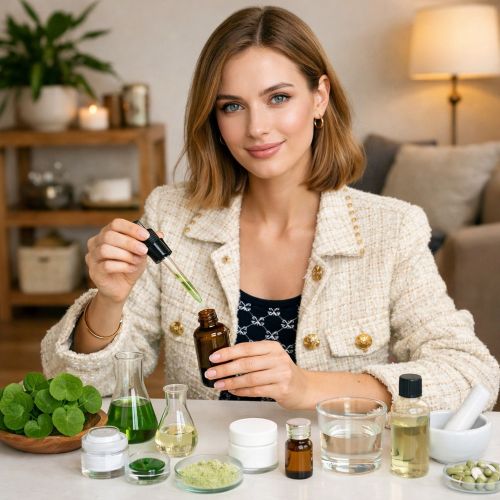 The modern skincare landscape has seen a massive surge in the popularity of Cica products but few formulations reach the efficacy of a dedicated serum with centella and madecassoside. Centella Asiatica also known as Gotu Kola or Tiger Grass has been a staple in traditional use for centuries. However the true power of this plant lies in its active terpenoids specifically madecassoside. When these two components are combined in a concentrated serum they create a biological powerhouse capable of healing micro-damage soothing chronic inflammation and reinforcing the skin moisture barrier at a cellular level.
In this comprehensive guide we will explore the molecular benefits of these ingredients and provide three professional grade recipes for creating high performance serums that offer superior results compared to mass market alternatives.
Beneficial Properties of Centella Asiatica and Madecassoside in Dermatology
Centella Asiatica extract contains a complex mixture of active compounds including asiaticoside madecassoside asiatic acid and madecassic acid. These molecules work by stimulating the fibroblasts in the dermis to produce Type one collagen. This makes centella not just a soothing agent but a powerful anti-aging active that improves skin density and elasticity over time. It is also highly effective at increasing the antioxidant activity at the site of wounds or irritation.
Madecassoside is the most potent isolated triterpene from centella. It is particularly valued for its ability to suppress pro-inflammatory cytokines making it an essential treatment for conditions like rosacea acne and sensitized skin. By utilizing both the whole extract and the isolated madecassoside a serum provides a broad spectrum of healing benefits. This combination reduces redness instantly while long term use helps to fade post-inflammatory hyperpigmentation and strengthen fragile capillaries.
Advantages of Handcrafted Cica Serums Over Industrial Analogs
The primary drawback of many industrial Cica serums is the low concentration of actual active molecules. Manufacturers often use centella water which is highly diluted or include madecassoside at levels below zero point one percent simply for marketing claims. In contrast a handcrafted serum allows you to use a therapeutic concentration of madecassoside typically between zero point five and one percent which is where the most significant clinical results are observed.
Furthermore industrial products often contain synthetic thickeners like carbomer or microplastics that create a film on the skin without providing any nutritional value. By formulating your own serum you can use natural polysaccharides like tremella extract or high quality hyaluronic acid as the base. You also avoid the use of synthetic fragrances and harsh preservatives that are common in retail products and frequently cause the very irritation that Cica products are meant to treat.
Technical Nuances of Formulating with Centella and Madecassoside
The most critical technical challenge when working with madecassoside is its solubility. Madecassoside is a crystalline powder that does not always dissolve easily in plain water. To ensure a professional transparent serum it is best to pre-dissolve madecassoside in a humectant such as propanediol or vegetable glycerin before adding it to the main water phase. This prevents the formation of gritty particles that can irritate the skin.
Another nuance involves the pH stability. Centella extracts and madecassoside perform best in a slightly acidic to neutral environment. The ideal pH for these serums is between five point five and six point zero. If the pH is too low the triterpenes may lose their stability over time. Additionally since centella is rich in antioxidants the final product should be protected from light and air to prevent oxidation of the delicate botanical compounds.
Recipe One Soothing Barrier Fluid for Hyper Sensitive Skin
This formula focuses on immediate relief from redness and itching using a base of soothing hydrosols and a high dose of madecassoside.
Composition Seventy milliliters chamomile or lavender hydrosol Twenty milliliters distilled water Zero point five grams madecassoside powder Five milliliters centella asiatica liquid extract Five milliliters vegetable glycerin One gram low molecular weight hyaluronic acid Eco certified preservative
Preparation Step one Sanitize all glass beakers stirring rods and storage bottles with high grade alcohol. Step two In a small beaker mix the madecassoside powder into the vegetable glycerin and stir until a smooth paste is formed. Step three In the main beaker combine the hydrosol and distilled water then sprinkle the hyaluronic acid over the surface. Step four Allow the hyaluronic acid to hydrate for thirty minutes until a clear gel forms then stir thoroughly. Step five Add the madecassoside and glycerin mixture to the gel and whisk gently to ensure full integration. Step six Incorporate the liquid centella asiatica extract and the eco certified preservative. Step seven Check the pH level and transfer the serum into an amber glass bottle with a dropper.
Recipe Two Post Acne Recovery Serum with Niacinamide
A targeted treatment designed to heal blemishes and fade red marks while regulating sebum production.
Composition Sixty milliliters distilled water Ten milliliters rose hydrosol One gram madecassoside powder Four grams Niacinamide vitamin B3 Five milliliters propanediol One gram xanthan gum soft Preservative
Preparation Step one Ensure all laboratory equipment is sterile and completely dry. Step two Dissolve the Niacinamide in the distilled water and rose hydrosol at room temperature. Step three Mix the madecassoside powder with the propanediol in a separate vessel until the liquid is clear. Step four Combine the madecassoside solution with the water phase and stir for several minutes. Step five Sprinkle the xanthan gum over the liquid and use a mini mixer to create a silky fluid consistency. Step six Add the preservative and check that the pH remains around six point zero which is ideal for Niacinamide stability. Step seven Store the finished serum in a cool dark place to protect the active vitamins and extracts.
Recipe Three Intensive Cica Gel for Skin Repair and Firming
A potent formula utilizing botanical polysaccharides to provide a lifting effect alongside deep healing.
Composition Fifty milliliters centella asiatica hydrosol Twenty milliliters aloe vera juice One gram madecassoside powder Five milliliters tremella mushroom extract Two milliliters panthenol vitamin B5 One gram konjac gum Preservative
Preparation Step one Disinfect all tools and work surfaces to maintain a sterile environment. Step two Combine the centella hydrosol and aloe vera juice in a glass beaker. Step three Add the madecassoside powder directly to the liquid and stir until it is completely transparent. Step four Incorporate the tremella extract and panthenol to provide deep hydration and skin softening. Step five Slowly add the konjac gum while whisking with a high shear mixer to achieve a luxurious gel texture. Step six Add the preservative system and ensure the ingredients are homogeneously distributed. Step seven Package the serum in an airless pump bottle to minimize air exposure and maintain potency.
hspace="30px"
Professional Recommendations for Application and Layering
To maximize the benefits of a centella and madecassoside serum it should be applied to clean damp skin. This allows the hyaluronic acid or polysaccharides in the base to pull moisture into the deeper layers of the epidermis. Use three to four drops and gently press the serum into the face and neck using the palms of your hands.
This serum is highly versatile and can be used both morning and night. In the morning it provides a protective antioxidant shield against environmental stressors. In the evening it supports the skin natural repair cycle. If you are using active acids or retinoids apply the cica serum immediately after to buffer the skin and prevent irritation. Always follow with a moisturizer or facial oil to lock in the active ingredients.
Detailed Guidelines for Storage and Product Stability
Handcrafted serums containing botanical extracts are sensitive to environmental factors. The best place to store your centella and madecassoside serum is in a cool dark cupboard or a dedicated skincare refrigerator. Avoid keeping the bottle on a windowsill or in a humid bathroom as fluctuations in temperature and light can cause the madecassoside to degrade.
The typical shelf life of a handcrafted serum with a professional preservative is approximately three to six months. If the serum changes color becomes cloudy or develops an unusual odor it is a sign that the botanical components have oxidized and the product should be discarded. By using airless pump packaging or amber glass bottles you can significantly extend the stability of your formulation and ensure that every application provides the maximum regenerative benefit for your skin.


Cosmetic ingredients and professional formulation blog
This section features expert materials on modern cosmetic actives. We cover peptides, polynucleotides PDRN, different forms of hyaluronic acid, retinoids, ceramides and other key components.
Special focus is given to active stability, ingredient compatibility and correct incorporation into formulas. You will find practical guides on working with anti-age actives, moisturizing complexes and barrier repair ingredients.
We examine how to properly combine myorelaxants with peptides, common mistakes when using unstable vitamin C forms and ways to improve the performance of moisturizing actives.
Separate materials are dedicated to base oils, extracts, emulsifiers and supporting ingredients. This helps create stable and effective formulas for both professional and home cosmetics.
The blog regularly publishes reviews of trending actives, comparisons of similar ingredients and step-by-step formulation recommendations. The content is aimed at formulators, technologists and anyone seriously involved in creating cosmetic products.
Why this blog is useful
Here you will find practical data on eye area care actives, lifting systems and ingredients that improve skin firmness and tone. We rely on real formulation experience and address the actual challenges that arise during product development.
You can also explore materials on skin protection and repair, depigmentation and anti-inflammatory actives. This approach supports a more systematic selection of ingredients.
FAQ
What topics are covered most often
The blog focuses on peptides, PDRN, hyaluronic acid of different molecular weights, retinoids, ceramides and their compatibility rules.
Are there practical recommendations on how to incorporate actives
Yes, most articles include practical notes on pH stability, incorporation temperature and common formulation mistakes.
Is the content only for professionals
The materials are useful both for formulators and technologists and for those who create cosmetics for personal use and want to understand how modern ingredients work.
Where can I go directly to the ingredients
All key actives are collected in the Actives section, while base components are available in base oils and related categories.



