-
 DIY: Video master classes
-
 Aromatherapy
-
 Felting master classes
-
 Eating at home
-
 DIY cosmetics for children
-
 Cooking recipes
-
 Detergents, cleaning products with your own hands
-
 Soap making as a business
-
 Natural cosmetics. Raw materials for cosmetics and soap.
-
 Natural oils in cosmetics
-
 News
-
 Recipes for balms and conditioners
-
 Bath Bomb Recipes
-
 Cream recipes. Cream making.
-
 Lotion recipes. Gel recipes.
-
 Mask recipes
-
 Soap recipes. Base soap. Soap from scratch.
-
 Recipes for all occasions
-
 Natural shampoo recipes
-
 Healthy Nutrition Recipes
-
 Scrub recipes. Massage tiles. Ubtan
-
 DIY candles
-
 Reference materials, questions, tips
-
 Startup - soap production
-
 Hair care. Tips, recipes
-
 Facial skin care. Cleansers.
-
 Body care. Tips, recipes
-
 Photo Reviews
-
 Chocolate Handmade


Serum with PDRN polynucleotides
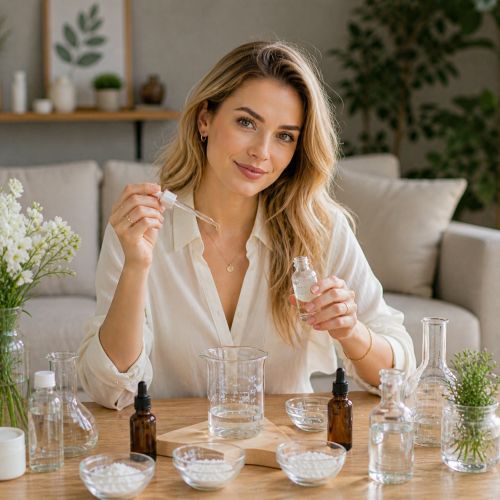 The landscape of anti-aging technology has shifted from superficial hydration to deep cellular repair. At the heart of this revolution is PDRN or Polydeoxyribonucleotide. These DNA fragments typically derived from salmon trout germ cells act as biological primers that jumpstart the skin internal recovery systems. Unlike traditional ingredients that simply provide moisture PDRN sends direct signals to your cells to heal rebuild and protect themselves from environmental damage.
This professional guide explores the science behind polynucleotides provides technical nuances for formulation and offers three high potency recipes for creating regenerative serums at home.
Beneficial Properties of PDRN Polynucleotides for Skin Health
Polynucleotides function by activating the adenosine A2A receptors in the skin. This activation triggers a cascade of healing events including the acceleration of fibroblast proliferation. Fibroblasts are the primary cells responsible for producing collagen and elastin. By providing these cells with the raw materials needed for DNA repair PDRN significantly increases skin density reduces the depth of wrinkles and improves overall elasticity.
Beyond its anti-aging prowess PDRN is an exceptional anti-inflammatory agent. It is highly effective at reducing redness associated with rosacea and accelerating the healing of acne scars or damaged tissue. Because PDRN fragments are bio-compatible and low molecular weight they penetrate the skin barrier effectively providing a bio-revitalization effect that rivals professional injectable treatments. It also helps to strengthen the capillary walls making it a vital component for those with sensitive or compromised skin.
Advantages of Handcrafted PDRN Serums Over Industrial Products
Commercial PDRN serums are often priced at a premium yet many contain only fractional percentages of the active polynucleotide complex. To ensure a long shelf life industrial manufacturers frequently use heavy preservatives and stabilizers that can sometimes dampen the biological activity of the DNA fragments. When you craft your own serum you can use a therapeutic concentration of PDRN ensuring that every drop delivers a clinical dose of regenerative power.
Furthermore making your own serum allows for a clean formulation. You can avoid synthetic fragrances dyes and silicones that offer no benefit to the skin. By selecting your own high grade hydrosols and botanical extracts you create a synergistic environment where the PDRN can perform at its peak. This direct control over the ingredient quality and concentration ensures a fresher more potent product tailored to your specific skin needs.
Technical Nuances of Formulating with Polynucleotides
Working with PDRN requires strict adherence to cold process standards. Polynucleotides are complex biological molecules that are highly sensitive to thermal stress. Subjecting PDRN to high heat during the formulation process can cause the DNA chains to denature rendering the serum biologically inactive. Therefore it is essential that all ingredients are combined at room temperature.
Another critical factor is solubility and hydration. PDRN powder can be slow to dissolve in water based solutions. To avoid a grainy texture or uneven distribution it is recommended to pre-hydrate the PDRN in a small amount of distilled water or hydrosol for at least one hour before mixing with other ingredients. Additionally maintaining a pH balance between five point five and six point zero is crucial for the stability of the polynucleotide structure and for ensuring the serum remains non-irritating to the skin acid mantle.
Recipe One Global Bio Revitalization DNA Concentrate
This formula is designed for intensive aging repair focusing on thickening the skin and reducing deep lines.
Composition Seventy milliliters Rose hydrosol One gram PDRN polynucleotide powder Five milliliters vegetable glycerin One gram low molecular weight hyaluronic acid Three milliliters D panthenol Eco certified preservative
Preparation Step one Sanitize all glass beakers stirring rods and storage containers with seventy percent alcohol. Step two Combine the PDRN powder with ten milliliters of the Rose hydrosol in a small beaker and let it sit for one hour to fully dissolve. Step three In a separate beaker mix the remaining hydrosol with the hyaluronic acid and stir until a clear gel is formed. Step four Slowly pour the dissolved PDRN solution into the hyaluronic gel base. Step five Add the vegetable glycerin and D panthenol while stirring gently with a glass rod to maintain molecular integrity. Step six Incorporate the eco certified preservative and verify the pH level. Step seven Transfer the concentrate into a dark glass bottle with a dropper.
Recipe Two Anti Stress and Repair Serum for Sensitized Skin
A specialized formulation for those recovering from peels or suffering from chronic redness and irritation.
Composition Sixty milliliters Chamomile hydrosol Zero point five grams PDRN powder Five milliliters Centella Asiatica extract Two milliliters Niacinamide Vitamin B3 One gram Konjac gum for texture Preservative
Preparation Step one Ensure a sterile workspace and clean all measuring tools. Step two Pre-dissolve the PDRN powder in a small portion of the Chamomile hydrosol. Step three Add the Konjac gum to the remaining hydrosol and whisk gently until a smooth fluid gel is achieved. Step four Dissolve the Niacinamide powder directly into the gel base and stir until clear. Step five Add the Centella Asiatica extract and the dissolved PDRN solution to the mixture. Step six Stir manually for two minutes to ensure all biotechnological actives are evenly distributed. Step seven Add the preservative and package in an airless pump dispenser to prevent air exposure.
Recipe Three Advanced Lifting Serum with PDRN and Peptides
A high performance serum that combines DNA repair with muscle relaxing peptides for a firm and contoured look.
Composition Fifty milliliters Immortelle hydrosol One gram PDRN powder Three milliliters Matrixyl peptide complex Five milliliters concentrated Aloe Vera gel One gram Fucogel Preservative
Preparation Step one Disinfect all laboratory equipment thoroughly. Step two Dissolve the PDRN powder in a small amount of the Immortelle hydrosol until completely transparent. Step three Mix the remaining hydrosol with the Aloe Vera gel and Fucogel until a stable base is formed. Step four Add the Matrixyl peptide complex to the base at room temperature. Step five Slowly incorporate the PDRN solution using a slow circular motion with a stirring rod. Step six Ensure the serum is homogeneous and the texture is silky. Step seven Add the preservative and transfer to a vacuum bottle to maximize shelf life.
Detailed Recommendations for Application and Layering
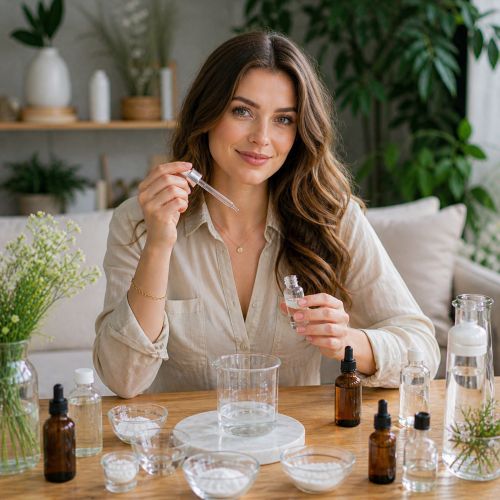
For maximum efficacy PDRN serum should be applied to freshly cleansed and slightly damp skin. This creates an optimal environment for the low molecular weight fragments to penetrate deep into the epidermis. Use three to four drops for the entire face and neck applying with a gentle tapping motion. Do not rub the skin aggressively as this can cause unnecessary friction and heat.
Consistency is the most important factor when using polynucleotides. Because PDRN works on a cellular level results typically manifest over a cycle of eight to twelve weeks. This is the time required for new collagen fibers to form and for the skin to complete its natural turnover. Always follow the serum with a high quality moisturizer to seal in the actives and provide a protective barrier.
Guidelines for Storage and Product Stability
Polynucleotide serums are delicate biotechnological products. They are highly susceptible to degradation from UV light and oxygen. Store your serum in a cool dark place such as a dedicated skincare refrigerator or a shaded cabinet. Avoid keeping the bottle in the bathroom where steam and heat can cause the temperature to fluctuate significantly.
The shelf life for a handcrafted PDRN serum using an eco certified preservative is approximately three to four months. Always keep the container tightly closed and avoid touching the dropper directly to your skin to prevent bacterial contamination. If using airless pump dispensers the stability of the serum is greatly improved as it minimizes contact with external pollutants. If you notice a change in the color or scent of the serum discard it and prepare a fresh batch to ensure maximum safety and performance.


Cosmetic ingredients and professional formulation blog
This section features expert materials on modern cosmetic actives. We cover peptides, polynucleotides PDRN, different forms of hyaluronic acid, retinoids, ceramides and other key components.
Special focus is given to active stability, ingredient compatibility and correct incorporation into formulas. You will find practical guides on working with anti-age actives, moisturizing complexes and barrier repair ingredients.
We examine how to properly combine myorelaxants with peptides, common mistakes when using unstable vitamin C forms and ways to improve the performance of moisturizing actives.
Separate materials are dedicated to base oils, extracts, emulsifiers and supporting ingredients. This helps create stable and effective formulas for both professional and home cosmetics.
The blog regularly publishes reviews of trending actives, comparisons of similar ingredients and step-by-step formulation recommendations. The content is aimed at formulators, technologists and anyone seriously involved in creating cosmetic products.
Why this blog is useful
Here you will find practical data on eye area care actives, lifting systems and ingredients that improve skin firmness and tone. We rely on real formulation experience and address the actual challenges that arise during product development.
You can also explore materials on skin protection and repair, depigmentation and anti-inflammatory actives. This approach supports a more systematic selection of ingredients.
FAQ
What topics are covered most often
The blog focuses on peptides, PDRN, hyaluronic acid of different molecular weights, retinoids, ceramides and their compatibility rules.
Are there practical recommendations on how to incorporate actives
Yes, most articles include practical notes on pH stability, incorporation temperature and common formulation mistakes.
Is the content only for professionals
The materials are useful both for formulators and technologists and for those who create cosmetics for personal use and want to understand how modern ingredients work.
Where can I go directly to the ingredients
All key actives are collected in the Actives section, while base components are available in base oils and related categories.



