-
 DIY: Video master classes
-
 Aromatherapy
-
 Felting master classes
-
 Eating at home
-
 DIY cosmetics for children
-
 Cooking recipes
-
 Detergents, cleaning products with your own hands
-
 Soap making as a business
-
 Natural cosmetics. Raw materials for cosmetics and soap.
-
 Natural oils in cosmetics
-
 News
-
 Recipes for balms and conditioners
-
 Bath Bomb Recipes
-
 Cream recipes. Cream making.
-
 Lotion recipes. Gel recipes.
-
 Mask recipes
-
 Soap recipes. Base soap. Soap from scratch.
-
 Recipes for all occasions
-
 Natural shampoo recipes
-
 Healthy Nutrition Recipes
-
 Scrub recipes. Massage tiles. Ubtan
-
 DIY candles
-
 Reference materials, questions, tips
-
 Startup - soap production
-
 Hair care. Tips, recipes
-
 Facial skin care. Cleansers.
-
 Body care. Tips, recipes
-
 Photo Reviews
-
 Chocolate Handmade


Serum with GHK-Cu peptide and niacinamide
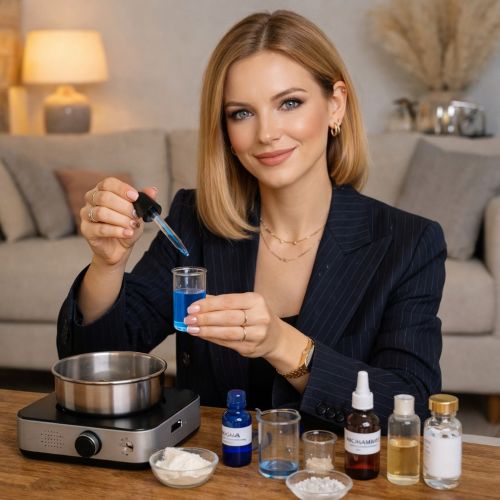 Serum with GHK Cu peptide and niacinamide represents a sophisticated intersection of biotechnology and dermatological care. The copper tripeptide GHK Cu is a naturally occurring molecule that plays a vital role in tissue regeneration and collagen synthesis. When paired with niacinamide also known as Vitamin B3 the resulting formula becomes a multifunctional powerhouse capable of addressing deep wrinkles hyperpigmentation and skin barrier weakness simultaneously.
In this professional guide we will analyze the technical mechanisms of these actives and provide three detailed recipes designed for maximum stability and cellular absorption.
Beneficial Properties and Molecular Action of Copper Peptides and Niacinamide
The primary function of GHK Cu in skincare is its ability to signal the skin to repair itself. As we age the natural levels of copper peptides in our body drop significantly leading to a decreased ability to produce high quality collagen and elastin. GHK Cu acts as a remodeling agent that breaks down damaged large collagen fibers and replaces them with new healthy tissue. It is famous for its distinct blue color which is a result of the copper ion complexing with the tripeptide.
Niacinamide complements this action by improving the surface level health of the skin. It inhibits the transfer of pigment to skin cells effectively brightening the complexion while simultaneously increasing the production of ceramides. The synergy between these two ingredients creates a product that works from the inside out to firm the dermis while smoothing and protecting the epidermis.
Advantages of Custom Peptide Serums Over Industrial Analogs
The most significant advantage of creating your own serum with GHK Cu and niacinamide is the control over ingredient compatibility and concentration. Industrial products often contain copper peptides in very low quantities for marketing purposes or they combine them with high levels of acids or vitamin C which can actually cause the copper peptide to break apart and lose its efficacy. By formulating your own serum you ensure that the copper peptide remains in a stable pH environment.
Furthermore many mass market serums use cheap synthetic polymers to create a slippery texture. Custom professional formulations prioritize high quality humectants like hyaluronic acid and botanical hydrosols. This approach ensures that every ingredient in the bottle serves a physiological purpose rather than just a sensory one. You also avoid controversial preservatives and silicones that can interfere with the long term health of the skin microbiome.
Technical Nuances of Preparation for GHK Cu and Niacinamide
Working with copper peptides requires precise knowledge of chemical stability. GHK Cu is highly sensitive to extreme pH levels and strong oxidizing agents. To keep the peptide active and stable the final pH of the serum must be maintained between five point five and six point five. If the environment becomes too acidic the copper ion will detach from the peptide chain turning the beautiful blue liquid into a clear or murky solution with no therapeutic value.
Another critical nuance is the order of incorporation. Niacinamide is relatively robust but it can also degrade if exposed to very high heat for extended periods. Professional formulators always prepare the base gel first and introduce the GHK Cu and niacinamide during the cool down phase. This prevents any thermal degradation and ensures that the delicate peptide bonds remain intact. Proper sterilization of all glass equipment is mandatory as peptides can serve as a food source for bacteria if the formula is contaminated.
Recipe One Blue Copper Lifting Serum for Mature Skin
This intensive formula focuses on increasing skin density and reducing the appearance of fine lines through deep tissue remodeling.
Composition Seventy milliliters neroli hydrosol Zero point five grams GHK Cu powder Four grams niacinamide powder One gram high molecular weight hyaluronic acid Five milliliters vegetable glycerin One milliliter eco friendly preservative
Preparation Step one Sanitize all laboratory beakers and stirring tools with seventy percent isopropyl alcohol to ensure a sterile environment. Step two Combine the neroli hydrosol and vegetable glycerin in a glass beaker and stir well. Step three Add the niacinamide powder to the liquid and stir until it is completely dissolved and the solution is clear. Step four Sprinkle the GHK Cu powder over the surface and watch as the liquid turns a vibrant transparent blue. Step five Add the hyaluronic acid powder and allow it to hydrate for at least one hour until a uniform gel is formed. Step six Stir the gel gently to remove any small lumps then incorporate the preservative. Step seven Test the pH to ensure it is within the safe range of five point eight and transfer the serum to an amber glass dropper bottle.
Recipe Two Brightening and Calming Recovery Fluid
A lightweight serum designed to reduce redness and even out skin tone using a lower concentration of peptides for daily maintenance.
Composition Eighty milliliters distilled water Zero point two grams GHK Cu Five grams niacinamide Five milliliters aloe vera extract Two milliliters d panthenol One gram xanthan gum Preservative
Preparation Step one Thoroughly clean your workspace and equipment. Step two Dissolve the niacinamide and d panthenol into the distilled water. Step three Add the aloe vera extract which provides a soothing base for the active ingredients. Step four Introduce the GHK Cu powder and stir until the liquid becomes a light sky blue color. Step five Use a high speed mini mixer to incorporate the xanthan gum which will create a stable fluid texture. Step six Add the preservative and stir slowly for two minutes to ensure even distribution throughout the fluid. Step seven Package the fluid in a vacuum pump bottle to protect the antioxidants from exposure to air.
Recipe Three Barrier Repair Serum with Peptides and Ceramides
A specialized formula for skin that has been damaged by environmental stress or harsh chemical treatments.
Composition Sixty milliliters chamomile hydrosol Zero point three grams GHK Cu Three grams niacinamide Ten milliliters water soluble ceramide complex Three milliliters oat kernel extract One gram low molecular weight hyaluronic acid Preservative
Preparation Step one Disinfect all tools and prepare your ingredients on a clean surface. Step two Dissolve the GHK Cu and niacinamide into the chamomile hydrosol. Step three Add the low molecular weight hyaluronic acid which will penetrate deeper into the skin to deliver the copper ions. Step four Once the hyaluronic acid has formed a light liquid gel add the water soluble ceramide complex. Step five Stir in the oat kernel extract which provides additional anti inflammatory benefits. Step six Incorporate the preservative as the final step and ensure the solution is well mixed. Step seven Pour the serum into a dark glass bottle and store in a cool area to maintain the stability of the ceramides and peptides.
Professional Recommendations for Use and Layering
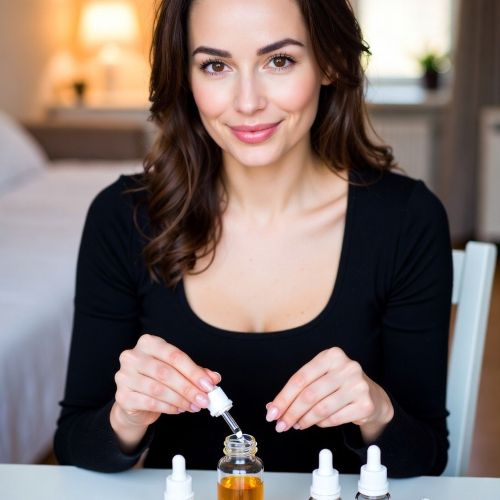
The serum with GHK Cu and niacinamide should be applied to clean skin after toning. Because copper peptides are easily neutralized by other acids do not use this serum in the same routine as high strength Vitamin C or Alpha Hydroxy Acids. If you use acids in the morning use your copper peptide serum at night to ensure the ingredients remain active and effective.
Apply three to five drops to the face and neck using a light tapping motion. This increases blood flow to the area and helps the copper tripeptide signal the cells more effectively. Always follow the serum with a moisturizer to seal in the hydration. For those with very sensitive skin it is wise to start with a lower concentration of niacinamide to ensure there is no flushing before moving to higher potency formulas.
Storage Guidelines and Maintaining Formula Integrity
Serums containing copper peptides are light sensitive and should always be stored in dark amber or cobalt blue glass. Exposure to direct sunlight can cause the copper complex to break down reducing the serum to an inactive liquid. Keep the product in a cool dry place with a temperature between fifteen and twenty degrees Celsius. Storing the serum in a specialized cosmetic refrigerator can further extend the life of the GHK Cu molecule.
The typical shelf life of a professional handmade peptide serum is three to four months. To maintain hygiene avoid touching the dropper tip to your skin or any other surface as this can introduce bacteria that degrade the peptide chain. If the vibrant blue color begins to fade or turns into a greenish or yellowish tint it is an indication that the pH has shifted or the copper ion has detached and the serum should be discarded.


Cosmetic ingredients and professional formulation blog
This section features expert materials on modern cosmetic actives. We cover peptides, polynucleotides PDRN, different forms of hyaluronic acid, retinoids, ceramides and other key components.
Special focus is given to active stability, ingredient compatibility and correct incorporation into formulas. You will find practical guides on working with anti-age actives, moisturizing complexes and barrier repair ingredients.
We examine how to properly combine myorelaxants with peptides, common mistakes when using unstable vitamin C forms and ways to improve the performance of moisturizing actives.
Separate materials are dedicated to base oils, extracts, emulsifiers and supporting ingredients. This helps create stable and effective formulas for both professional and home cosmetics.
The blog regularly publishes reviews of trending actives, comparisons of similar ingredients and step-by-step formulation recommendations. The content is aimed at formulators, technologists and anyone seriously involved in creating cosmetic products.
Why this blog is useful
Here you will find practical data on eye area care actives, lifting systems and ingredients that improve skin firmness and tone. We rely on real formulation experience and address the actual challenges that arise during product development.
You can also explore materials on skin protection and repair, depigmentation and anti-inflammatory actives. This approach supports a more systematic selection of ingredients.
FAQ
What topics are covered most often
The blog focuses on peptides, PDRN, hyaluronic acid of different molecular weights, retinoids, ceramides and their compatibility rules.
Are there practical recommendations on how to incorporate actives
Yes, most articles include practical notes on pH stability, incorporation temperature and common formulation mistakes.
Is the content only for professionals
The materials are useful both for formulators and technologists and for those who create cosmetics for personal use and want to understand how modern ingredients work.
Where can I go directly to the ingredients
All key actives are collected in the Actives section, while base components are available in base oils and related categories.



